





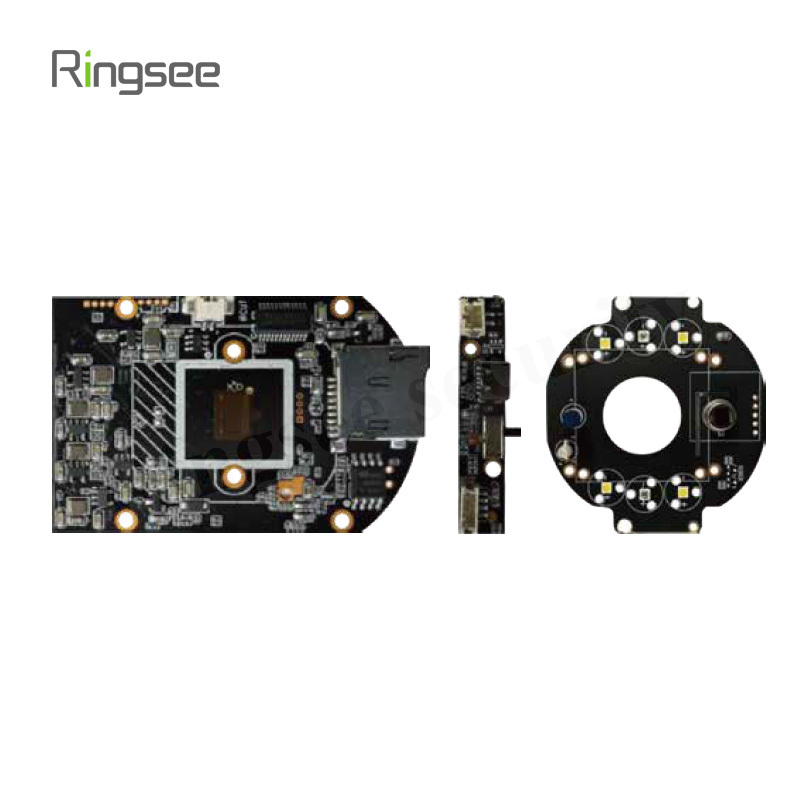
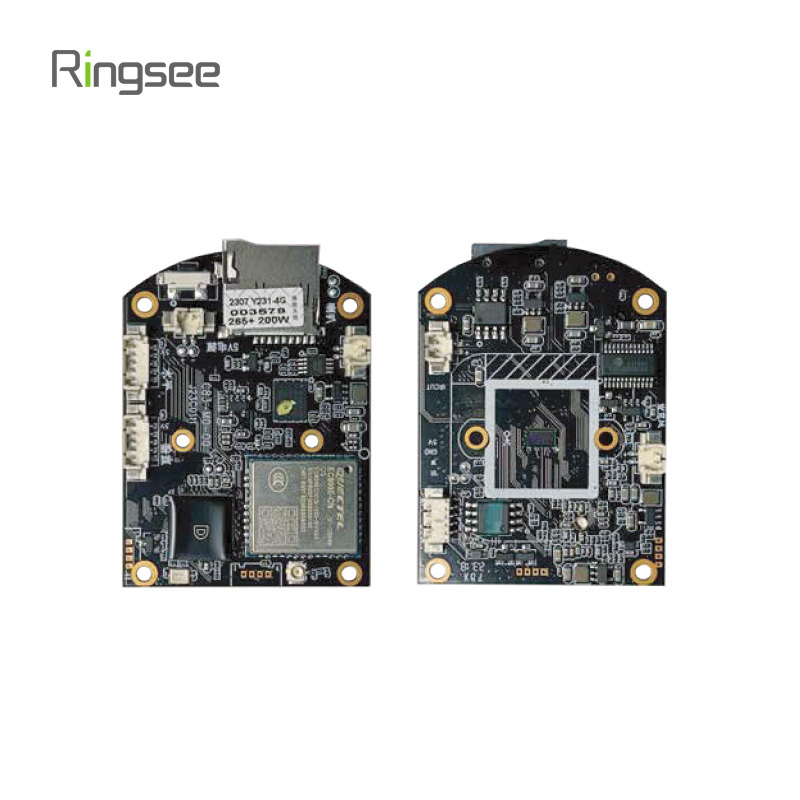
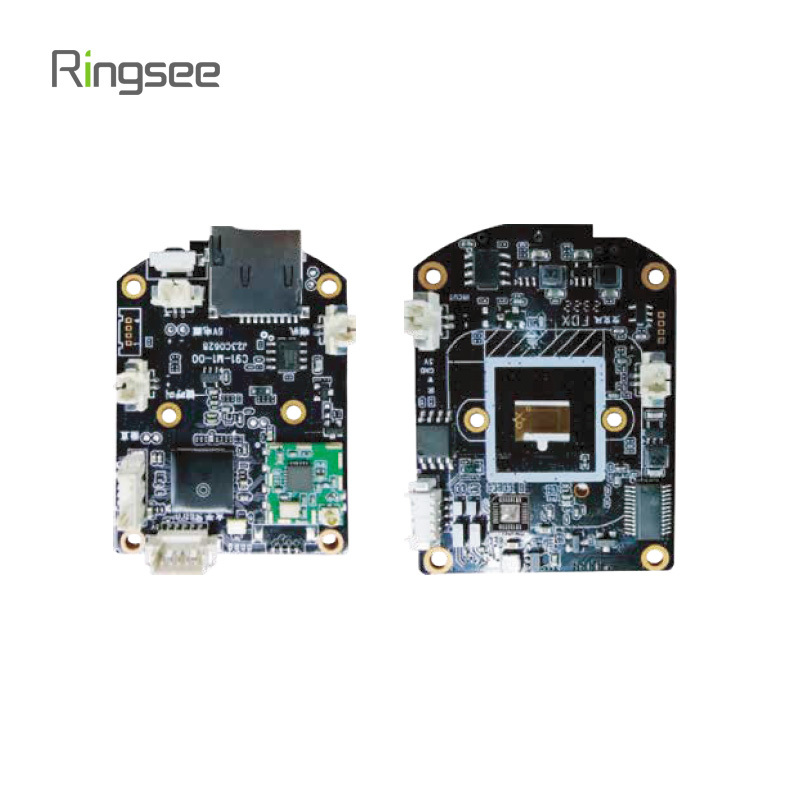
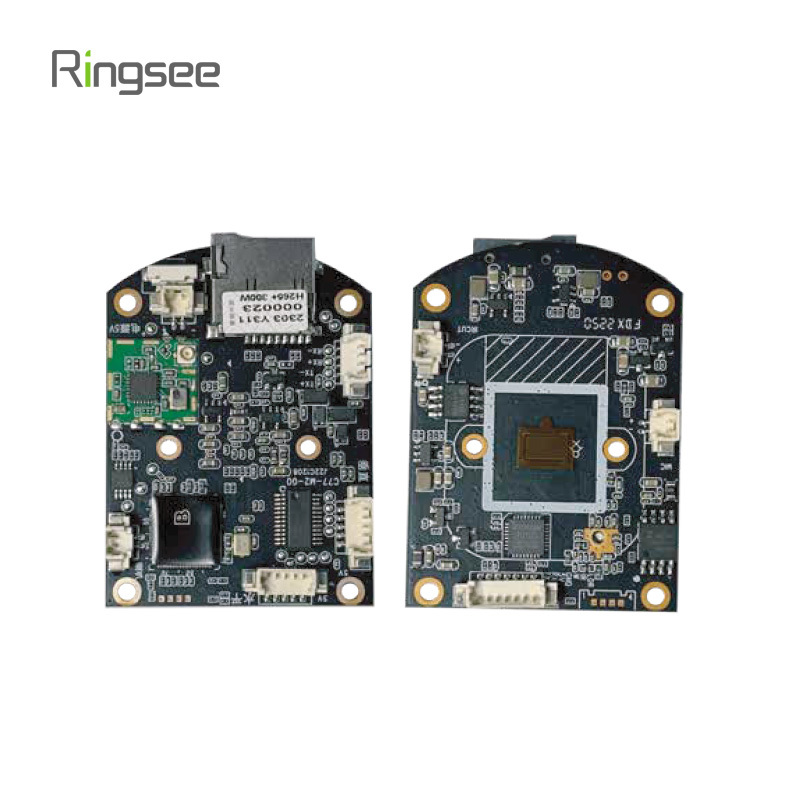
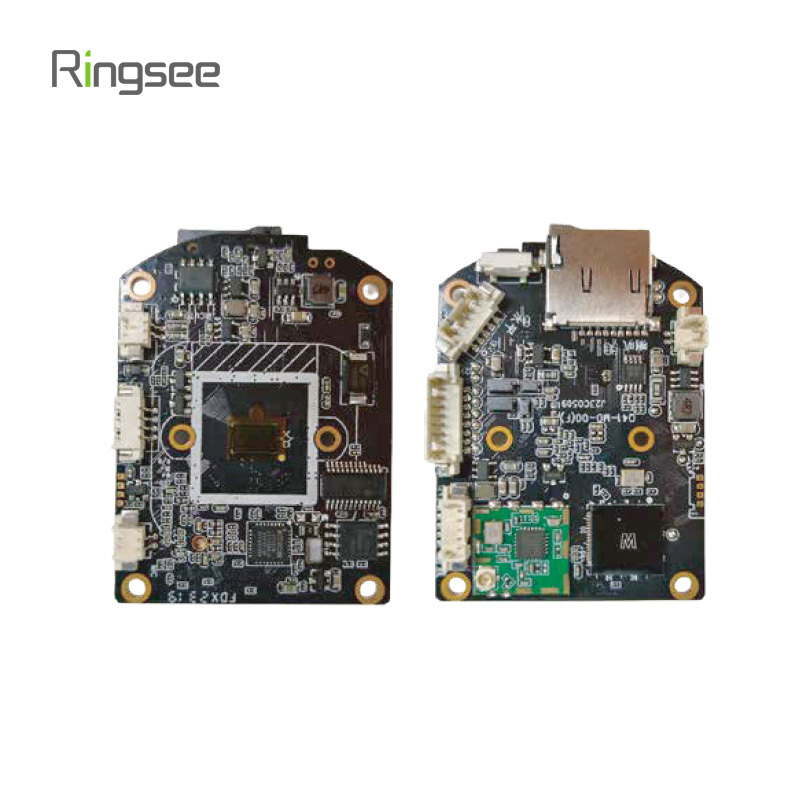
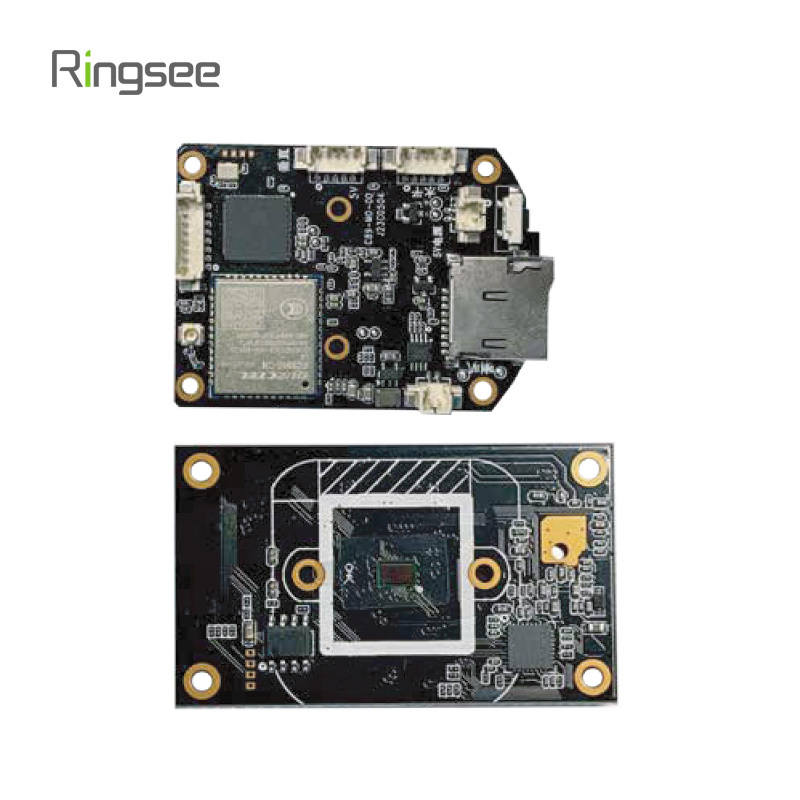
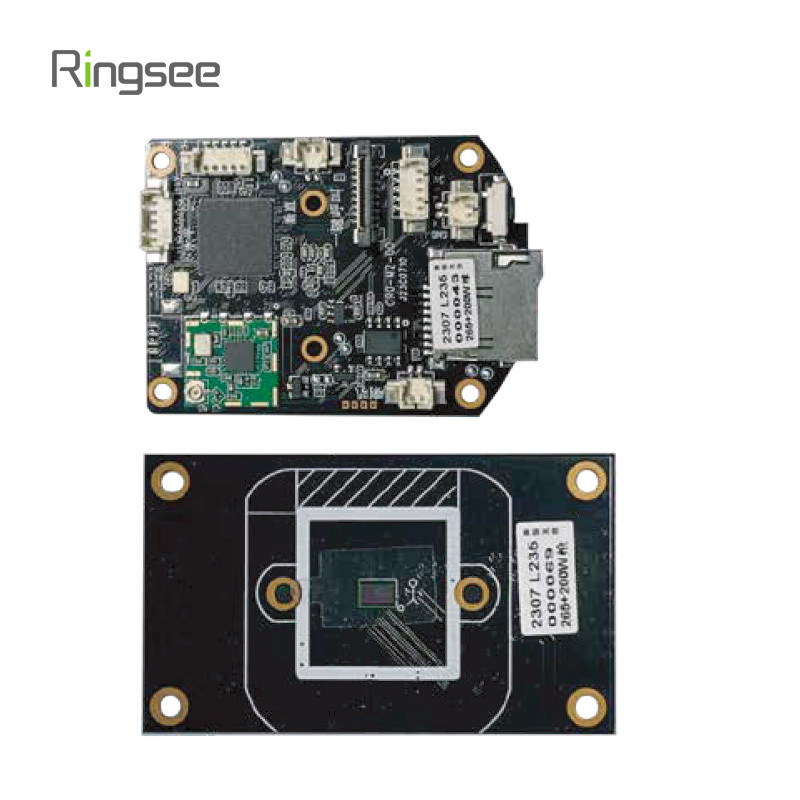
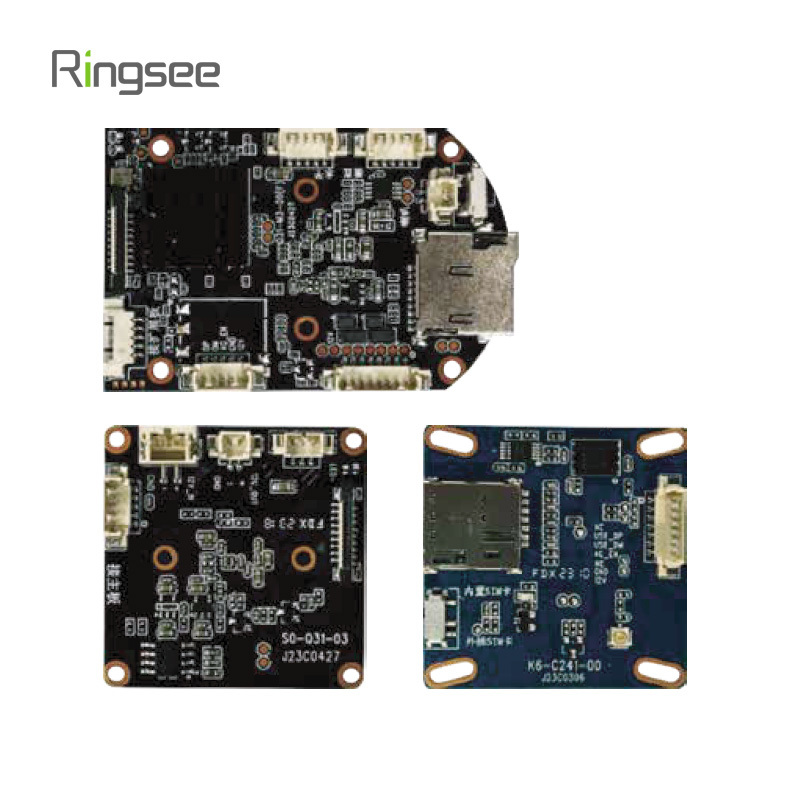
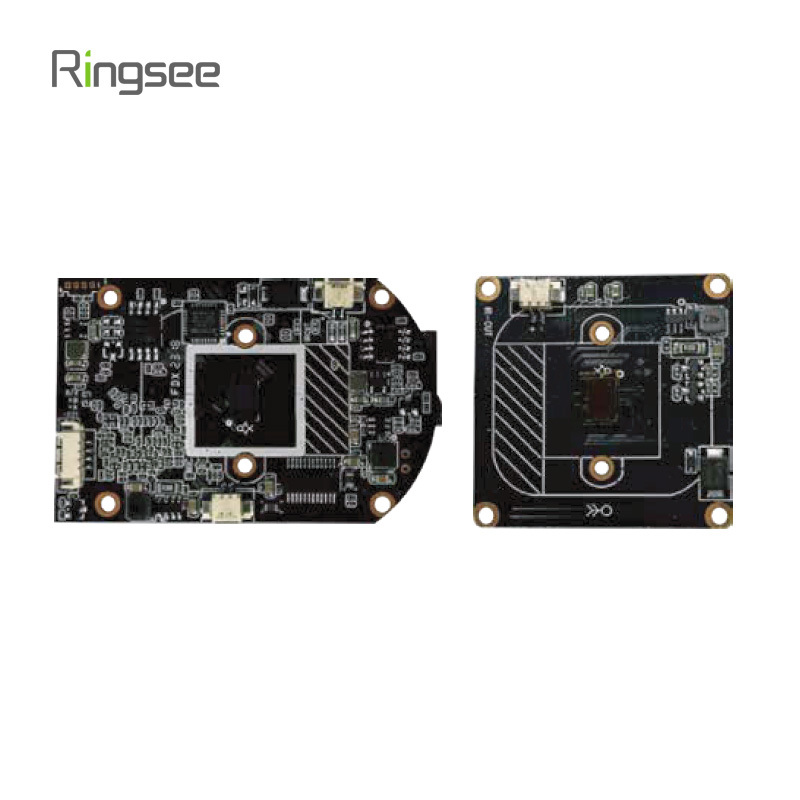
The Market and Industry Drive: Continued Growth of Low-Power 4G Security Cameras
Publish:
2025-03-19 14:53
Source:
https://www.ring-see.com
According to forecasts by Statista and IDC, global shipments of smart security cameras are expected to reach 180-220 million units in 2024.
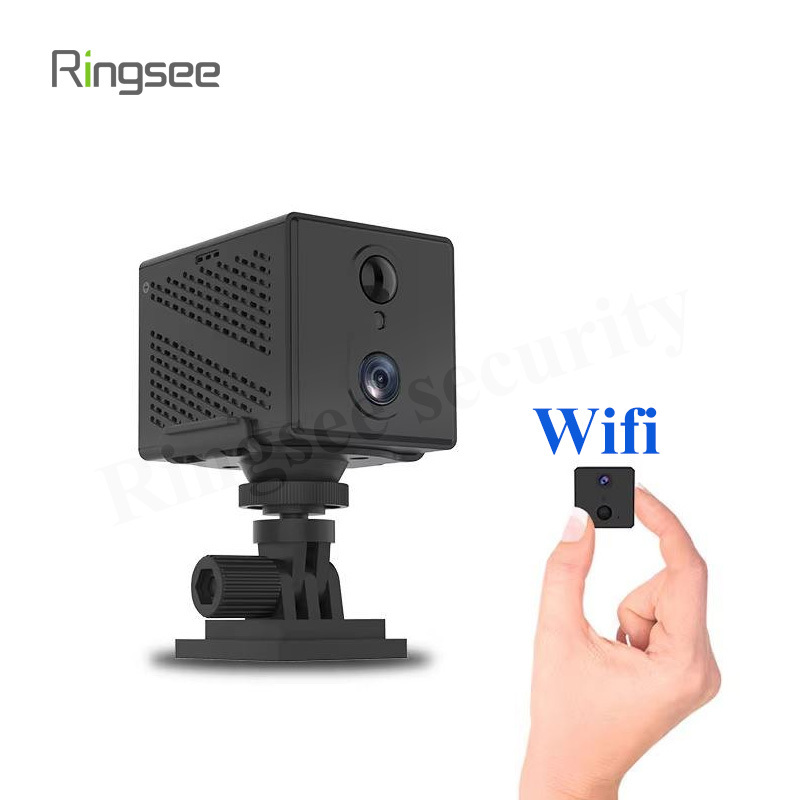
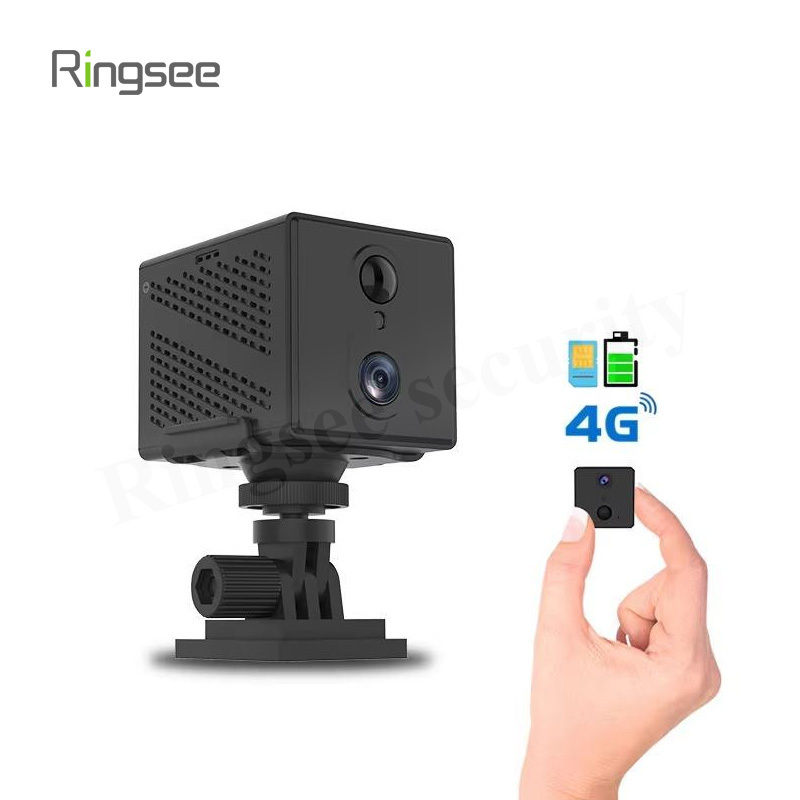
According to forecasts by Statista and IDC, global shipments of smart security cameras are expected to reach 180-220 million units in 2024. This growth is driven by demand for solutions in rural and outdoor areas with no network access, advancements in low-power technology, and a decline in 4G data costs. The market share of 4G low-power cameras is steadily increasing, from 10% at the beginning of the year to 25%. By 2024, the low-power IPC market is expected to reach 14 billion yuan, with global shipments of around 28 million units, and the domestic market surpassing 10 million units. With increased investment from telecom operators and security manufacturers, 4G low-power cameras are expected to see explosive growth in the next two years in the domestic market.
Looking ahead, market predictions suggest that shipments of low-power 4G cameras in China will reach 22 million units by 2025, marking a 100% increase from 2024. While companies like Xiaomi, with an annual shipment goal of 6.66 million units, may face challenges to capture 30% of the domestic market share, the rapid growth of 4G low-power cameras is clearly a strong indicator of industry potential. This technology will continue to be a driving force for the industry’s growth.

The emergence of 4G data pools has provided manufacturers with a sustainable source of revenue beyond hardware sales, offering further incentives to push the product forward. The combination of market demand, a mature industry chain, and manufacturer support is propelling the market’s rapid growth.
Technological Innovations Enhancing User Experience
As the name suggests, 4G low-power cameras rely on 4G communication technology and low-power technology. In China, the network coverage of 4G technology is already well-established, but the key focus here is on the low-power aspect. Achieving low power consumption requires complex engineering, including optimizing main control chips, power management systems, sensors, communication protocols, and software algorithms to minimize energy usage and extend device standby time.
Main Control Chips:
Utilizing low-power chip designs is crucial for reducing camera power consumption. By adopting advanced semiconductor manufacturing techniques, such as shifting from 28nm to 8nm process technology, manufacturers can significantly lower leakage and dynamic power consumption. Additionally, optimizing chip architecture and using heterogeneous big-little core designs can balance processing tasks for maximum efficiency.
Power Management:
Intelligent power management chips and circuits help regulate the camera’s components efficiently. During standby, non-essential circuits can enter low power states, reducing static power consumption. When active tasks like image capture or data transmission occur, power is quickly restored. Energy recovery technologies also allow surplus energy, such as heat generated by sensor modules, to be converted into electrical energy for future use.
Sensor Technology:
Using low-power image sensors, like CMOS sensors with back-illuminated (BSI) or stacked technologies, is another key strategy. These sensors offer improved light sensitivity while reducing power consumption. Some sensors even feature automatic sensitivity adjustments based on ambient light, further optimizing power efficiency.
Communication Optimization:
Optimizing communication protocols between the camera and cloud platforms helps reduce power consumption during data transfer. By minimizing unnecessary data transmission and only sending data during critical events, cameras can remain in low-power standby mode most of the time.
Software Algorithms:
Efficient image processing algorithms reduce the demand on hardware, indirectly lowering power consumption. For instance, employing high-efficiency video compression algorithms reduces the energy needed to process and transmit images, while adaptive software allows the camera to adjust its settings according to the scene, further conserving energy.
Industry Application: AOV Technology and Innovations
A prominent technology in the 4G low-power camera industry is AOV (Always On Video). Although AOV was initially used in smart lock systems, it has since been adapted for cameras. For example, the "Sentinel" system from Desmann, a well-known smart lock manufacturer, introduced a dual peephole design that allows the system to capture video even if one of the peepholes enters sleep mode. This innovation solved a major issue where motion detection often resulted in missed footage due to delays in waking up the main control system.
This concept has been embraced by chip and solution providers, such as Kunzhen, RK, HiSilicon, and SS, who have introduced their versions of AOV technology. The core function of AOV is to periodically capture images during low-power mode to prevent missed footage. However, the frequency of captures affects power consumption, meaning manufacturers must balance image capture intervals with energy use.
An alternative to AOV is AOR (Always On Record), introduced by the Shenmou camera and its YanjMicro chip. AOR differs from AOV in that it records video with audio at low frame rates, offering a more immersive user experience. The Shenmou camera has differentiated itself in the low-power market by offering features like reduced recording frequency and superior audio functionality, leading to increased interest from manufacturers and competitors.
Challenges and Opportunities
Despite the rapid development of 4G low-power technology, challenges remain. AOV technology still faces limitations in balancing power consumption and preventing missed footage. With current technology, cameras typically capture one frame every few seconds, which can still result in gaps in coverage. Future advancements are needed to refine the balance between power efficiency and the user experience.
Additionally, battery and power management systems face challenges in colder climates, where charging and standby times can be significantly impacted. There is also a lack of standardized parameters for power consumption and standby time, leading to inconsistencies in product specifications and potentially misleading consumers.
Application Scenarios and Market Outlook
4G low-power cameras are increasingly being applied in specialized scenarios, particularly in outdoor and industrial settings that require long-term, low-power data monitoring. As IoT demands continue to grow, 4G low-power technology is expected to find applications in more industries. With ongoing technological advancements and a reduction in costs, the market penetration of low-power cameras is set to rise.
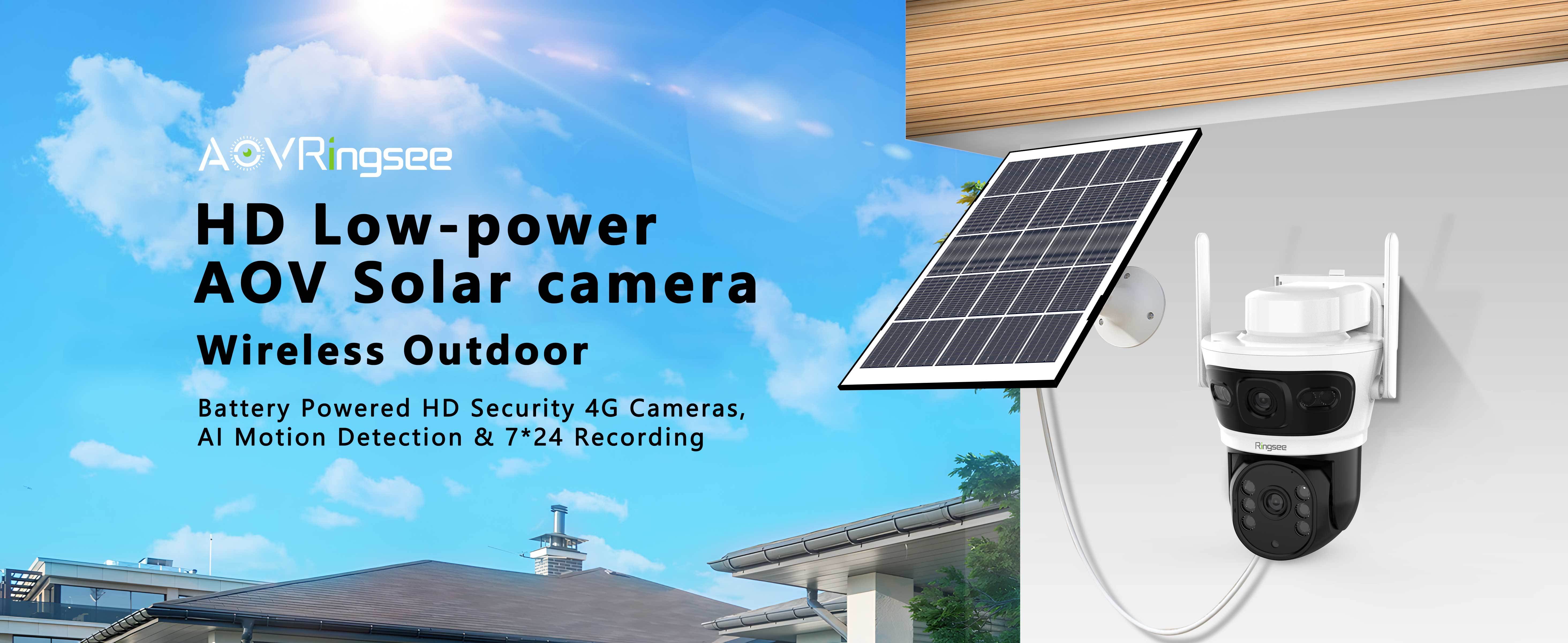
In conclusion, 4G low-power technology will maintain a strong growth trajectory through 2025, becoming a key driver of innovation in the security and communication markets. As technology continues to evolve and application scenarios expand, 4G low-power technology will lead the way toward a smarter, more secure future.
Related News
When overseas distributors, system integrators, and procurement managers at chain enterprises select a security camera, the spec sheet's "resolution, night vision range, frame rate" rarely reveal the true experiential difference. What really separates the user experience are two underlying technologies: Black Light night vision and AOV (Always-On Video, 24/7 online recording). Written from a buyer's perspective and in plain language, this article explains the principles of these two technologies, how they differ from traditional approaches, and their suitable use cases. It also provides a verification checklist that can be used directly for sample testing and supplier audits, helping you turn "technical understanding" into "precise model selection" — thereby reducing return rates and improving end-customer satisfaction. Whether you are procuring a solar security camera, an AOV low-power camera, or indoor/outdoor smart surveillance, this guide applies.
Jul 25,2026
For overseas distributors, system integrators, and procurement managers at chain enterprises, selecting a security camera is only the first step; what truly determines project delivery quality, supply stability, and profit margins is often the manufacturer behind the product. Written from the buyer's perspective, this article examines six major dimensions—factory strength, R&D reserves, OEM/ODM customization capability, quality system and certifications, supply chain delivery, and after-sales service—providing a practical evaluation framework and an on-site audit checklist, and uses Ringsee (Shenzhen Ruishi Technology Co., Ltd.), a manufacturer with more than 20 years of industry experience, as a reference case to help you establish clear criteria for judging a "quality security camera manufacturer." Whether you are evaluating a solar security camera, a low-power AOV camera, or indoor/outdoor intelligent surveillance solutions, this methodology applies.
Jul 25,2026
How to Manage Multi-Branch/Plant Surveillance? Distributed Security Architecture Guide
A B2B architecture guide for unified management of surveillance across multiple stores, factories, or warehouses. Covers protocol unification (ONVIF/GB28181), three-layer network architecture, VPN/SD-WAN/leased-line options, VMS platform selection, alarm filtering, and cross-region video retrieval.
Jul 19,2026
Security Camera Project Budget Guide — B2B Procurement Cost Breakdown Template
A practical cost breakdown template for security surveillance project budgets — covering equipment, installation, networking, software, maintenance, and hidden costs. Helps B2B procurement managers avoid 20–40% budget overruns.
Jul 19,2026
Bought a security camera but don't know how to use it properly? This guide covers first-time setup, alert tuning to cut false alarms by 80%, remote viewing optimization, video search, smart home integration, and a quarterly maintenance checklist.
Jul 11,2026
Links:One Belt Power Technology
Add: 14th Floor, Baoshan Building, Longhua District, Shenzhen China.
Privacy Policy | SEO | CitySite | Support: 300.cn Dongguan