







The All-Time Perception Revolution: How AOV Camera is Redefining the Foundations of Smart Vision Technology
Publish:
2025-12-04 16:11
Source:
https://www.ring-see.com
At the recent Global Vision Technology Summit, the launch of the next-generation AOV (Always On Video) Camera introduced an innovative low-power, always-online architecture, reshaping industry expectations for intelligent vision terminals.
For years, battery-powered and solar security cameras have presented a painful trade-off: achieve long battery life by forcing the camera to sleep, or capture all activity by draining the battery rapidly. This compromise created a critical flaw in security systems: the camera's reaction lag.
By the time a traditional low-power camera "wakes up" and begins recording after a motion trigger, the crucial first 2–5 seconds of an event—such as a thief approaching or a package being dropped—are often missed.
The introduction of Always-On Video (AOV) Technology is the true "Perception Revolution." It is a paradigm shift that solves the power vs. performance conflict, ensuring that the camera is always ready and recording the critical moments before and during an event, setting a new standard for reliability in smart, energy-efficient security.

The Critical Flaw of Traditional Low-Power Cameras
Standard low-power security cameras rely on a Passive Infrared (PIR) sensor to detect a change in heat signature or motion.
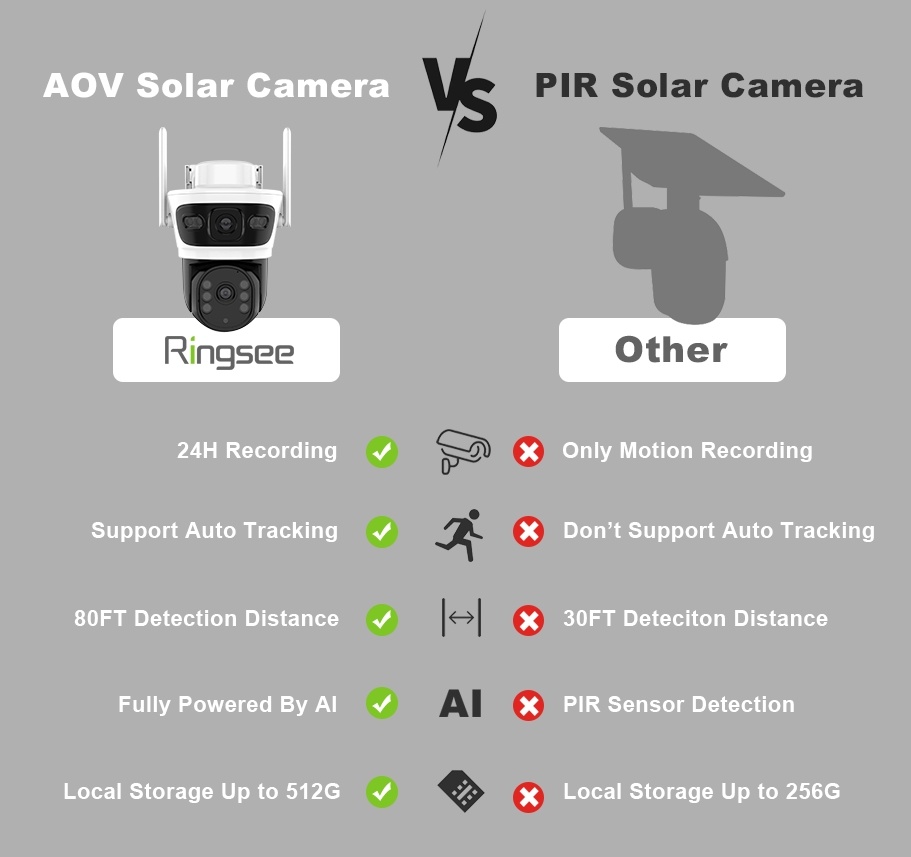
Motion Detected: PIR sensor detects heat/motion.
System Wake-up: The PIR triggers the main processor to wake up.
Connection and Recording: The camera connects to Wi-Fi/4G, boots up the video stream, and begins recording.
This entire sequence can take several seconds, resulting in recordings that often start with the subject already halfway through the event, or worse, leaving the user with only a video of the subject walking away. AOV technology was engineered to close this unacceptable gap.
Defining Always-On Video (AOV) Technology
Always-On Video is achieved through a multi-tiered power management architecture that allows for perpetual surveillance without a debilitating battery drain.
1. The Ultra-Low-Power Monitoring Chip
The core of AOV is a dedicated, ultra-low-power auxiliary chip that runs continuously. This secondary chip performs a light, perpetual monitoring function. While the main, power-intensive processor sleeps, the AOV chip manages a constant, low-resolution stream or perpetual sensory checks.
2. The Pre-Event Buffer (The "Always-On" Secret)
The AOV chip constantly feeds a small amount of data into a rolling digital buffer. When a motion trigger is detected:
The camera can instantly access the footage already stored in that buffer, which typically includes the 3–5 seconds before the PIR sensor was fully tripped.
The main processor is simultaneously activated, but the final recorded clip is spliced with the buffered footage, guaranteeing a true start-to-finish record of the event.
This mechanism ensures the camera is technically "always-on" for perception, even if its main video processor is only activated when necessary.
AOV: The Foundation for Reliable Smart Vision
AOV doesn't just improve battery life; it makes the video footage reliable enough to act as evidence and vastly improves the quality of AI-driven analysis.
Guaranteed Reliability: Never Miss the Crucial Moment
The primary benefit of AOV is the elimination of the "wake-up tax." In security, the reliability of footage is paramount. If a camera misses the point of entry, the resulting video is largely useless as evidence. AOV ensures:
Context Capture: You see the person walking up to the door, not just ringing the bell.
Identification Guarantee: You capture the initial head-on approach and activity, which are the most critical frames for identification.
Full Event Record: From the first sign of intrusion to the resolution, the AOV sequence provides a comprehensive forensic timeline.
Seamless Integration with Solar Power Solutions
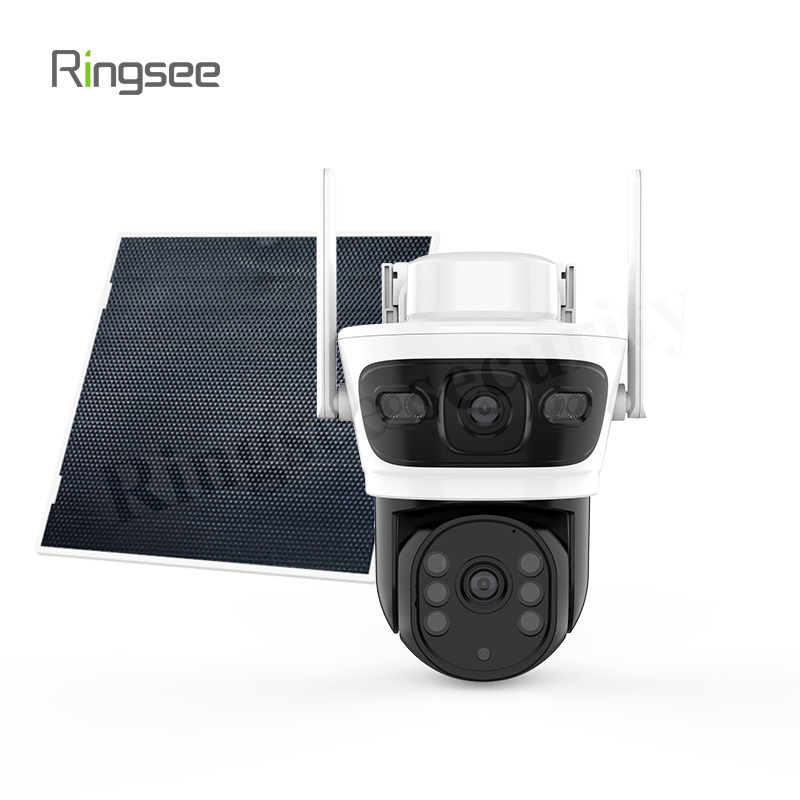
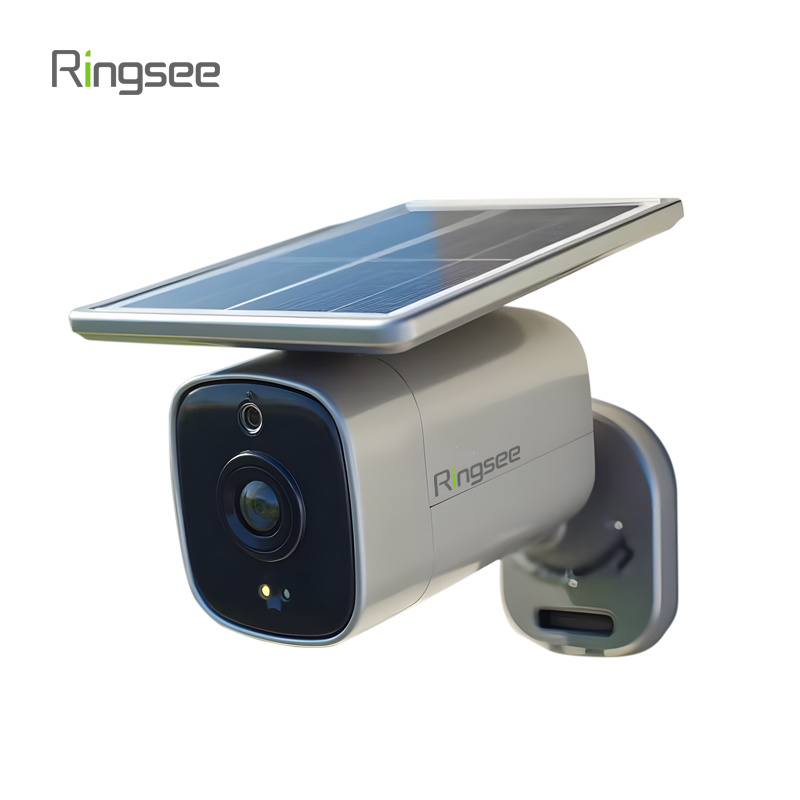
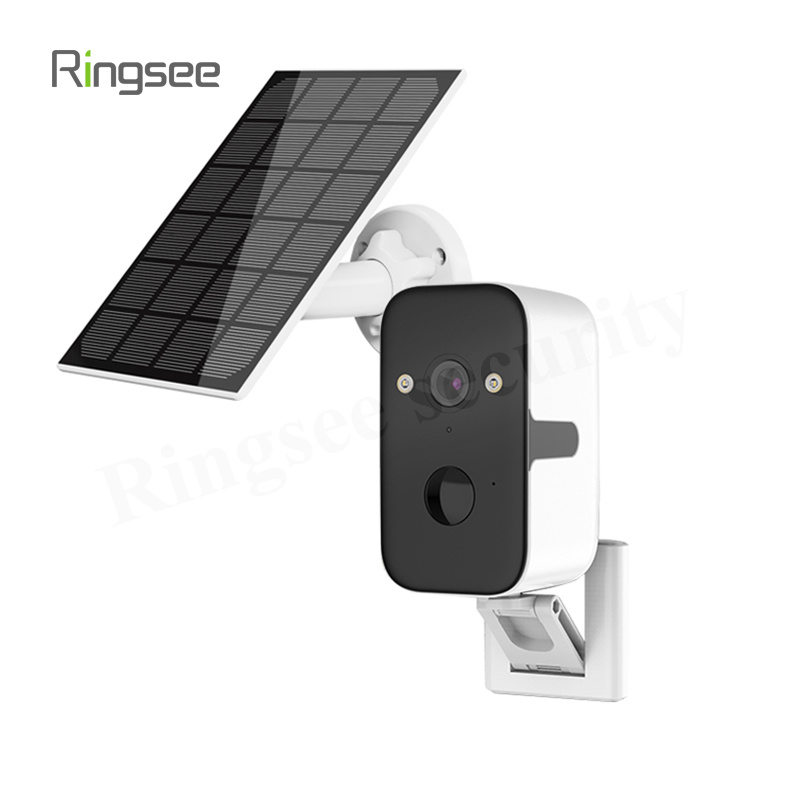
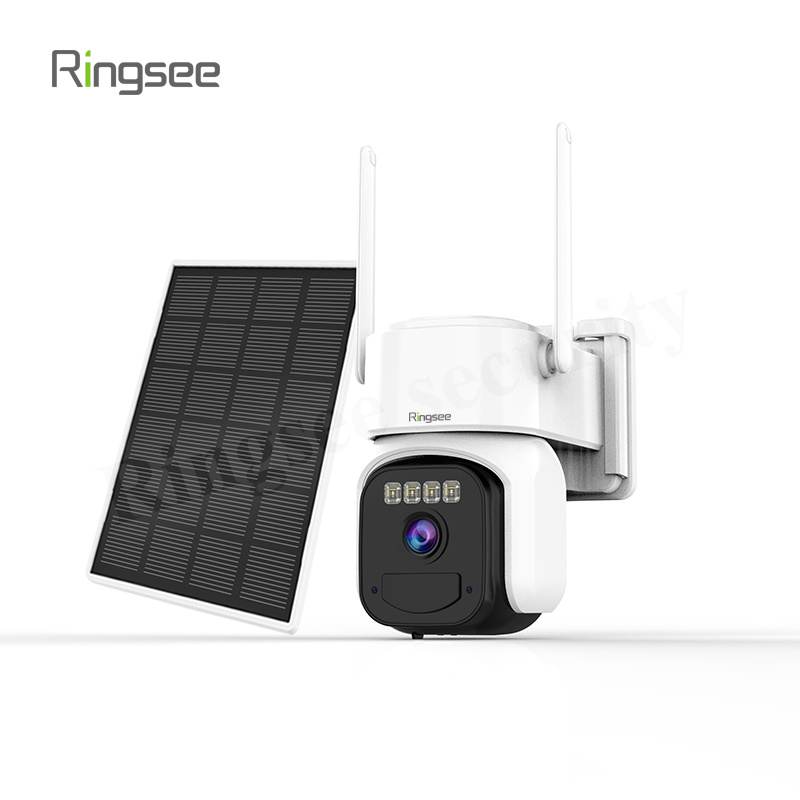
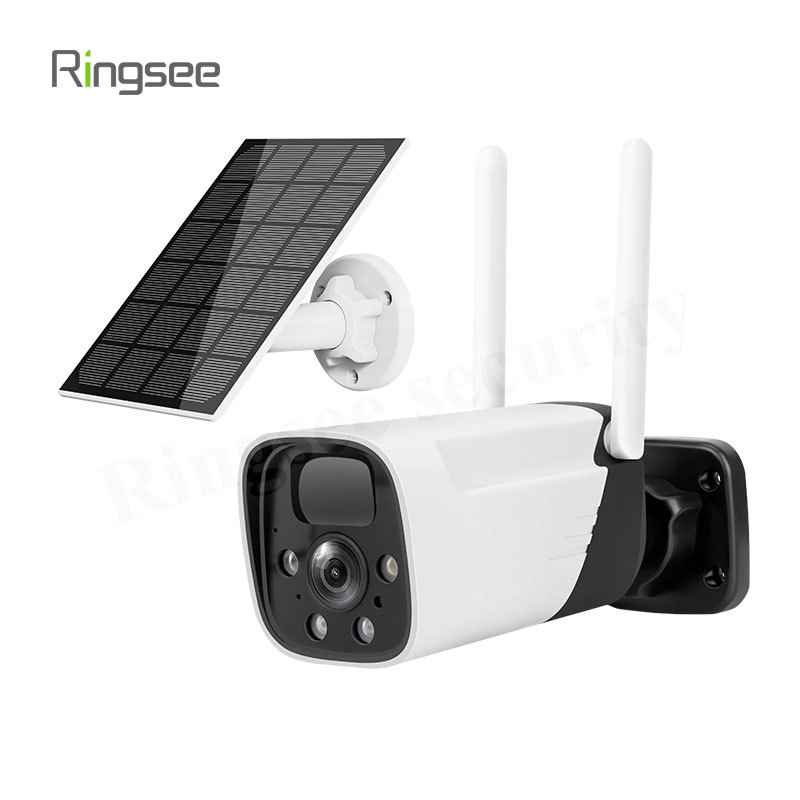
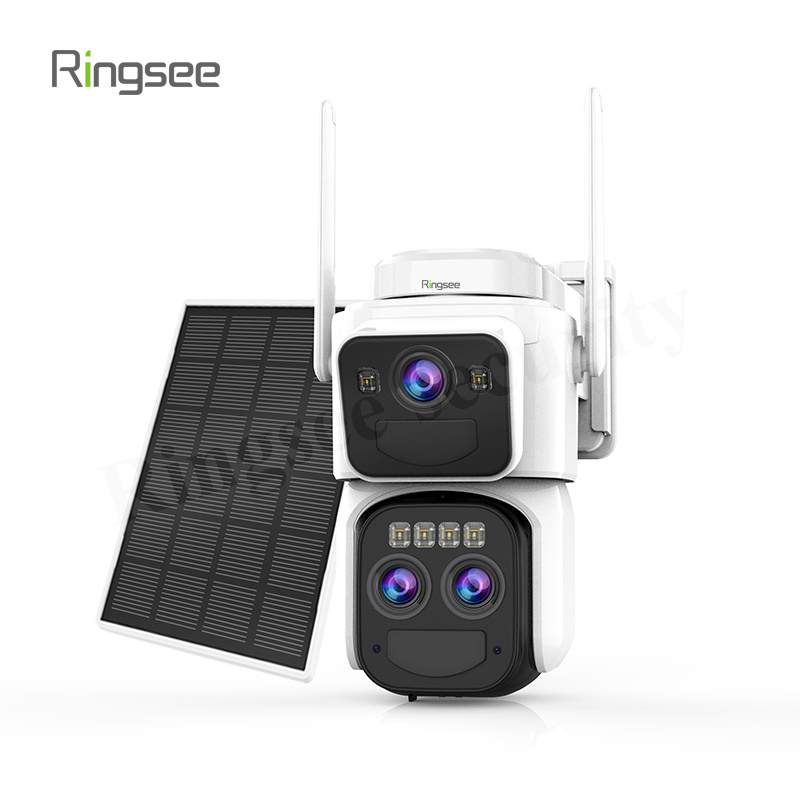
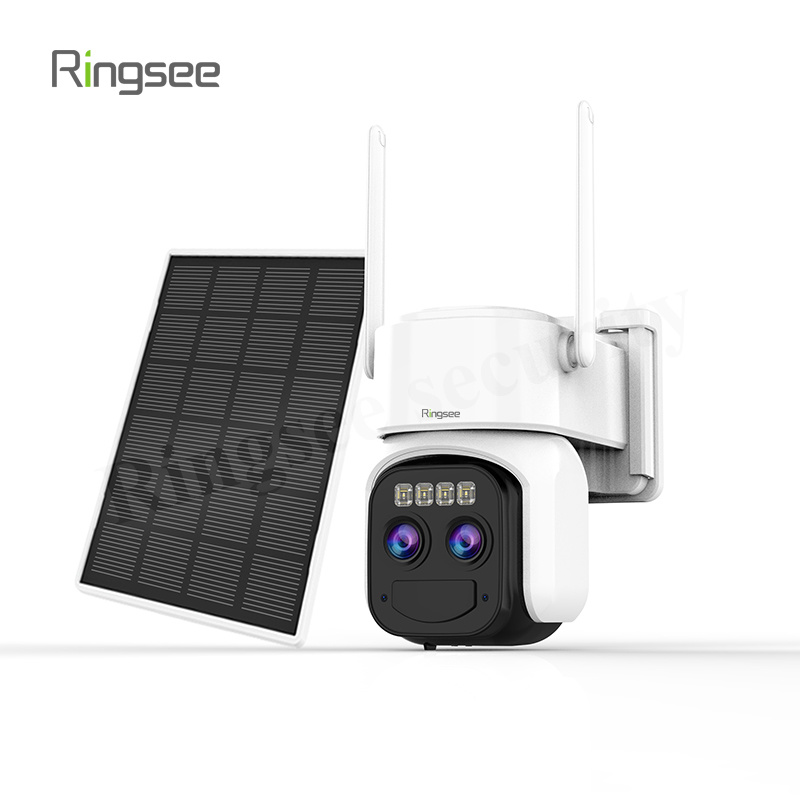
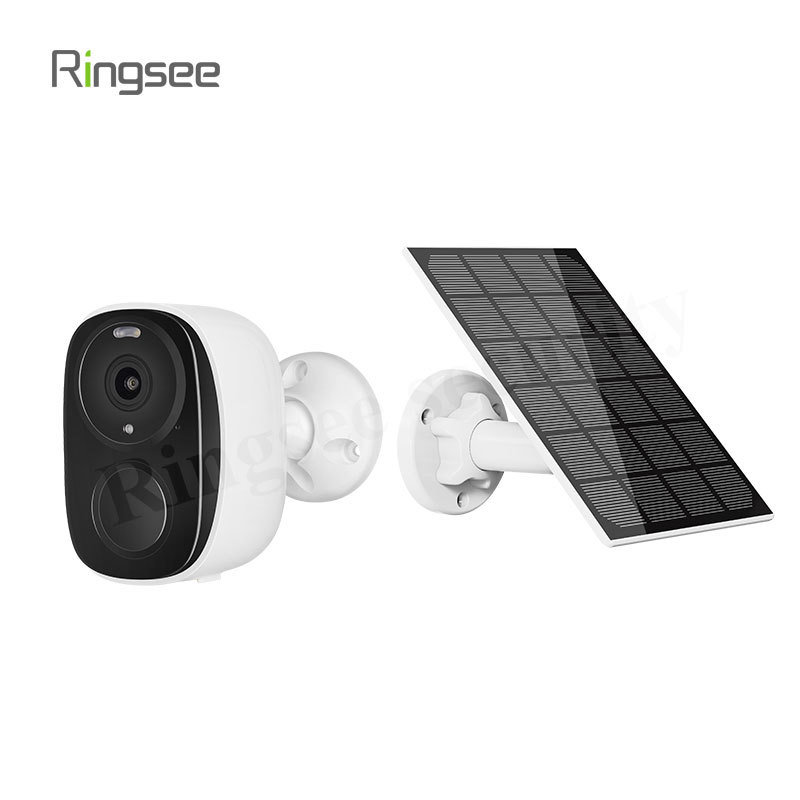
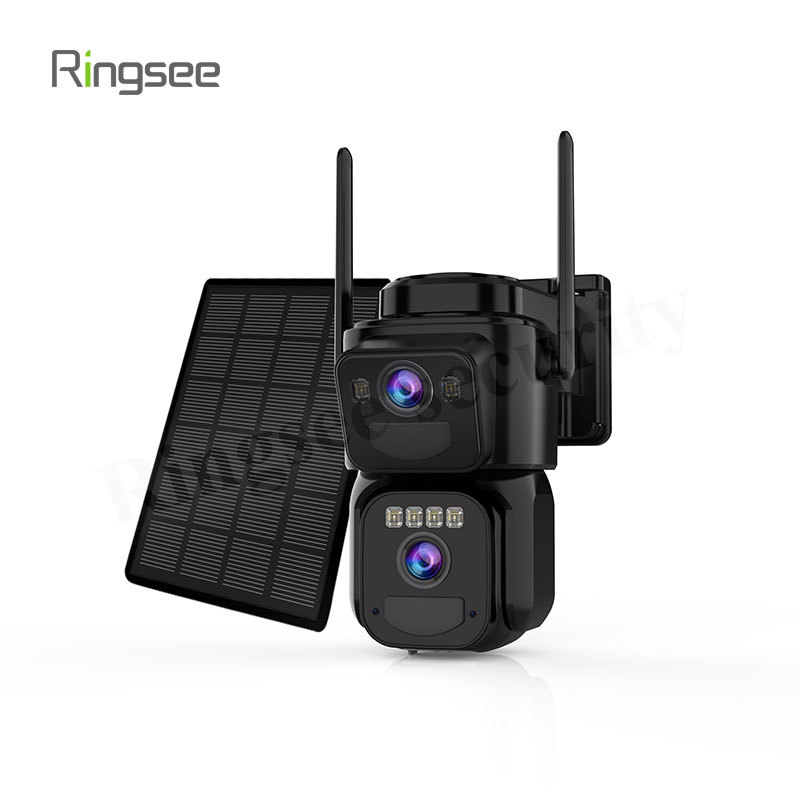
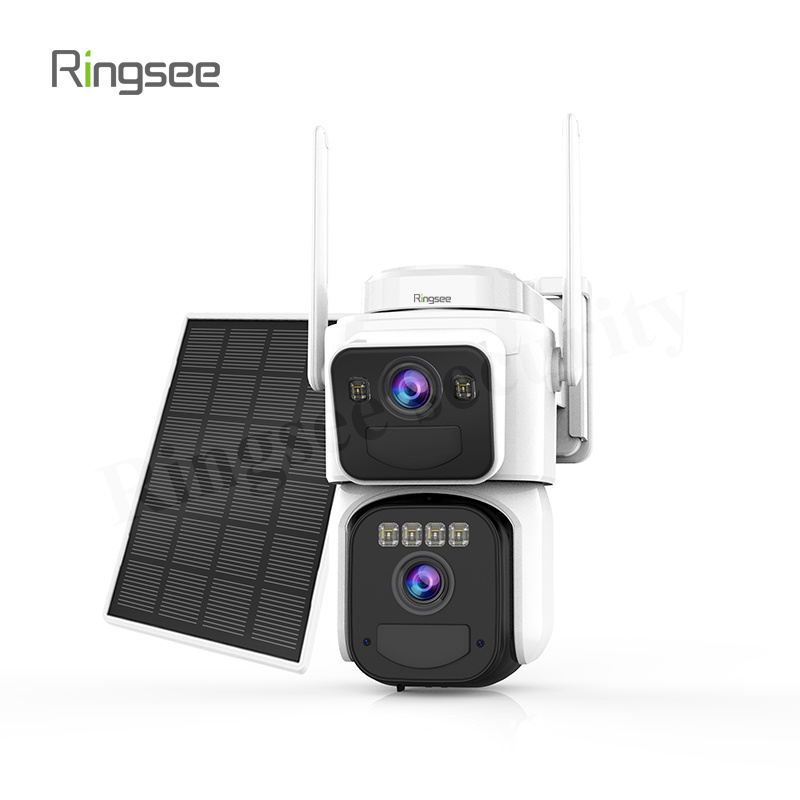
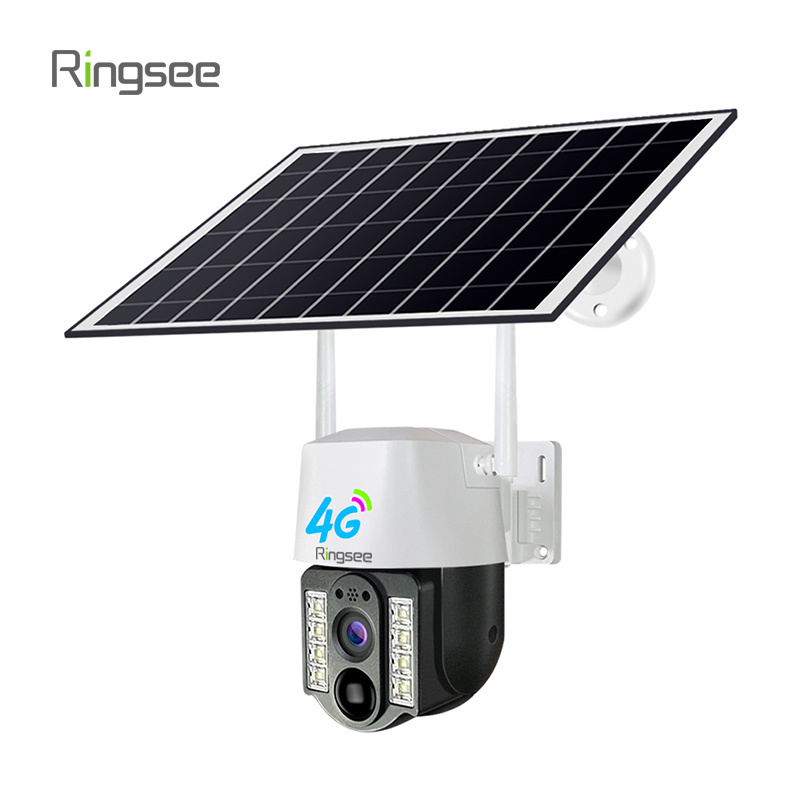
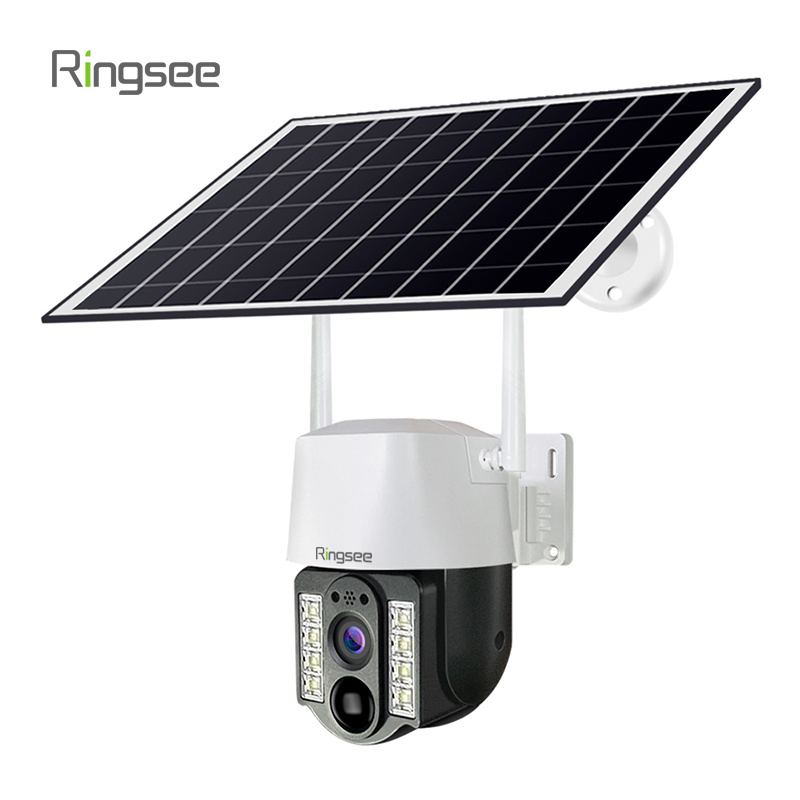
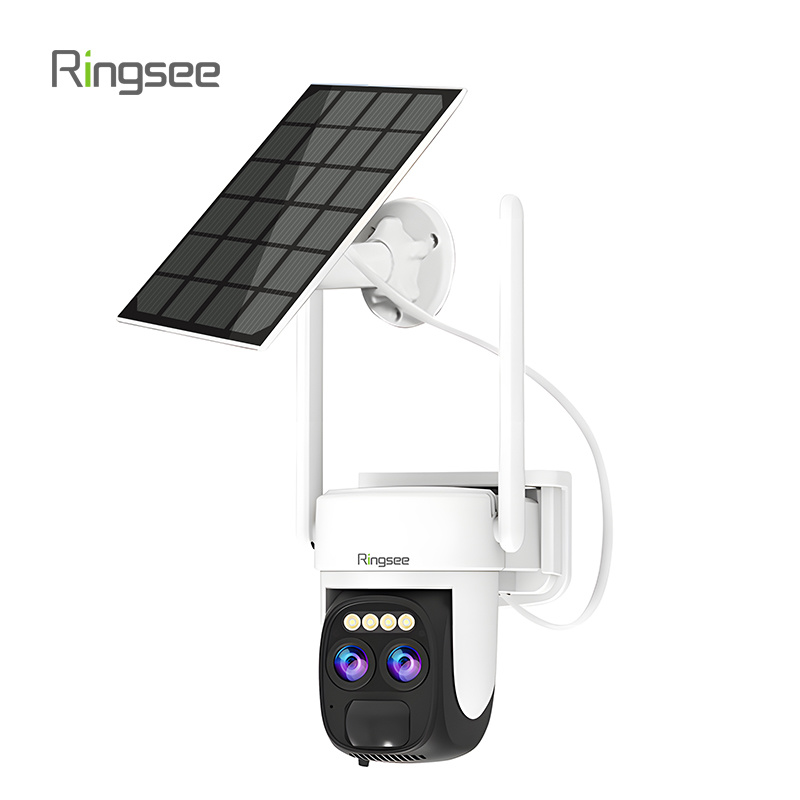
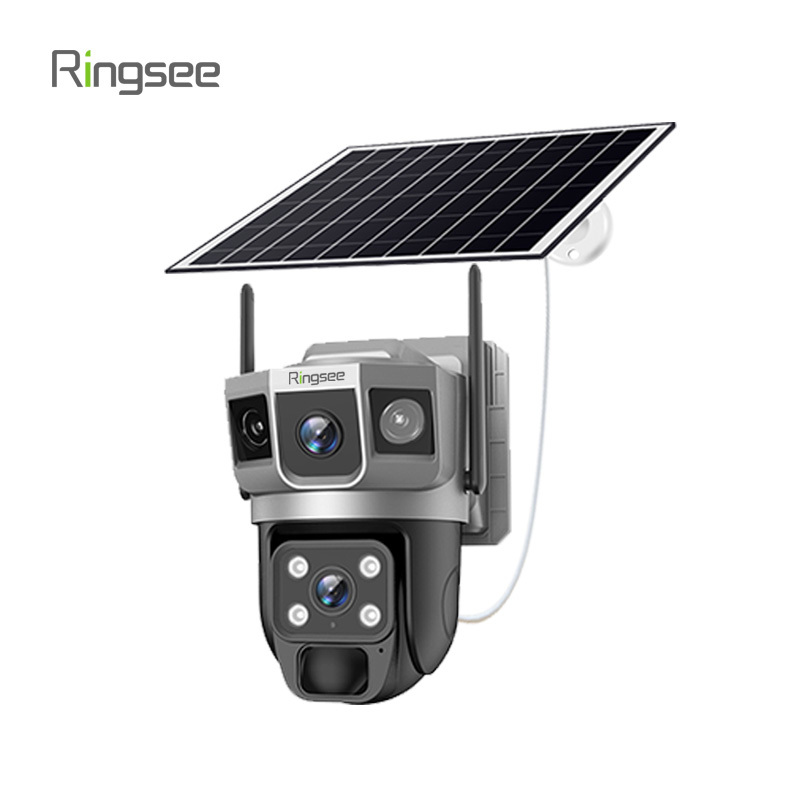
Ringsee has leveraged AOV technology specifically to make true, off-grid security systems viable. Because the overall power demand is radically optimized (the high-draw components are rarely active), AOV-enabled cameras can operate reliably on solar power for extended periods.
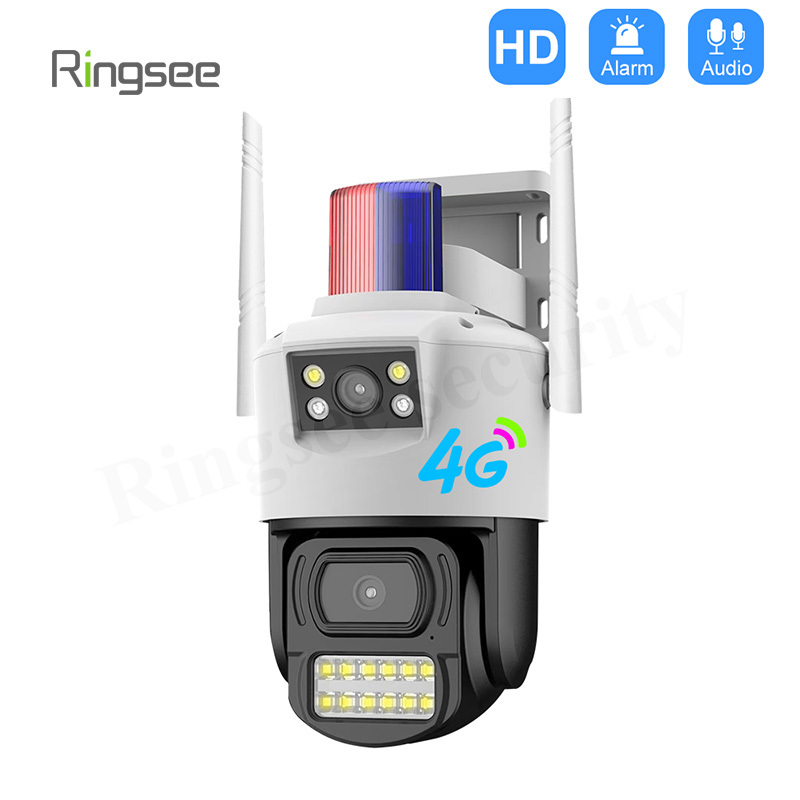
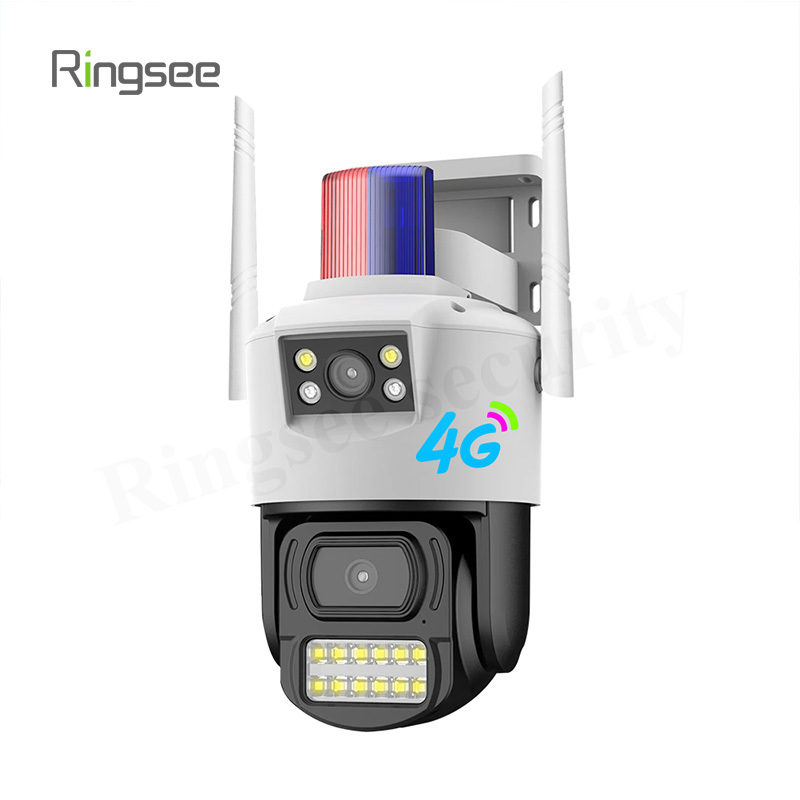
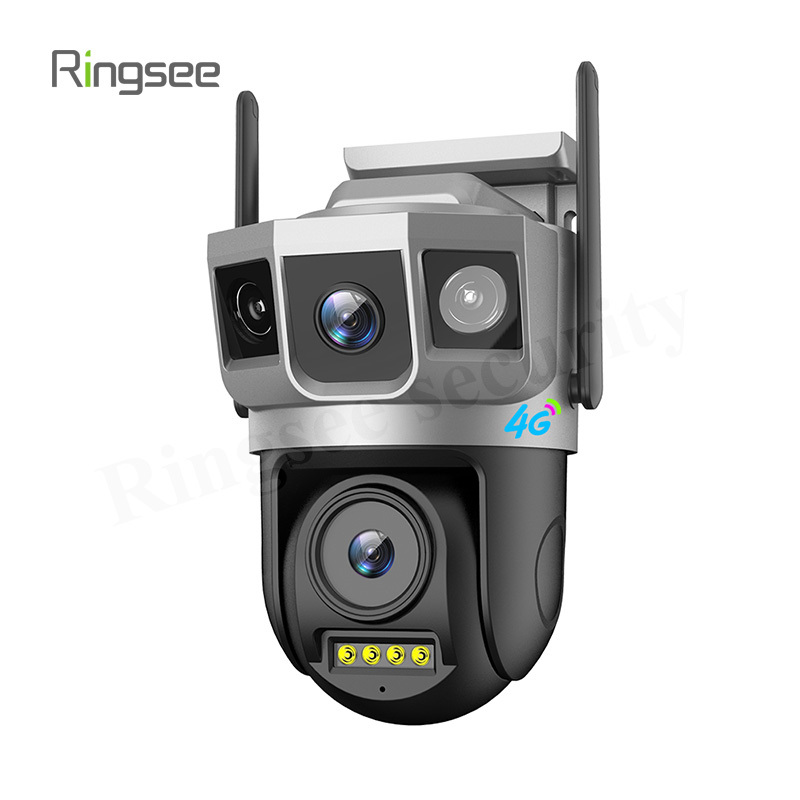
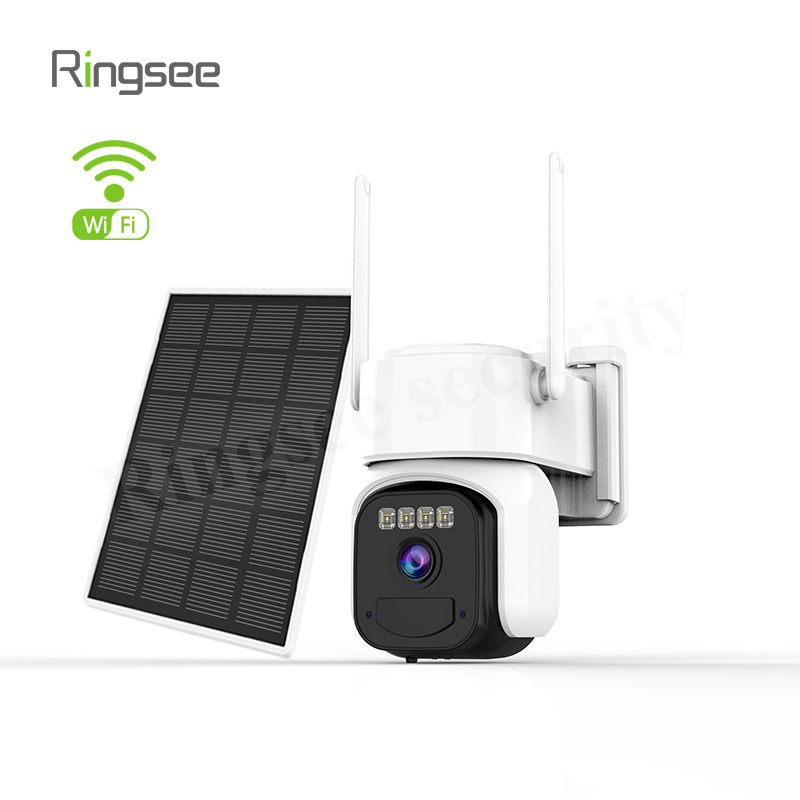
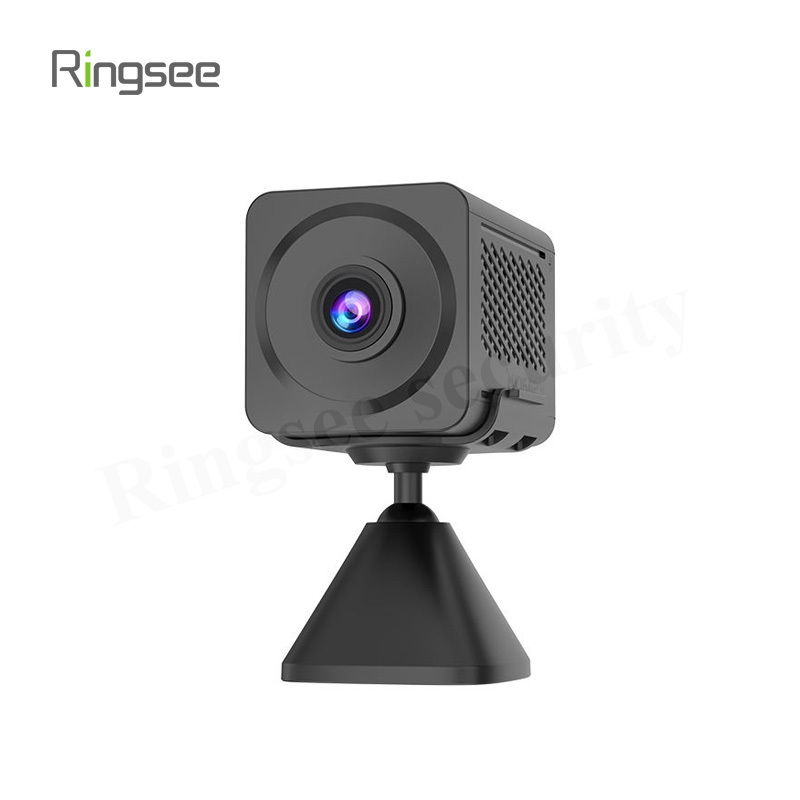
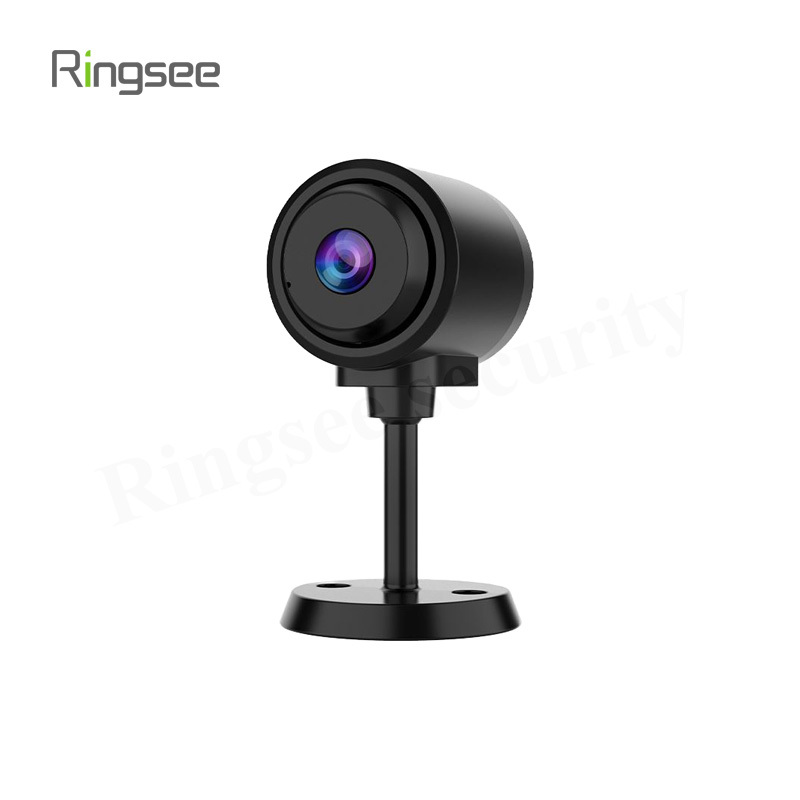
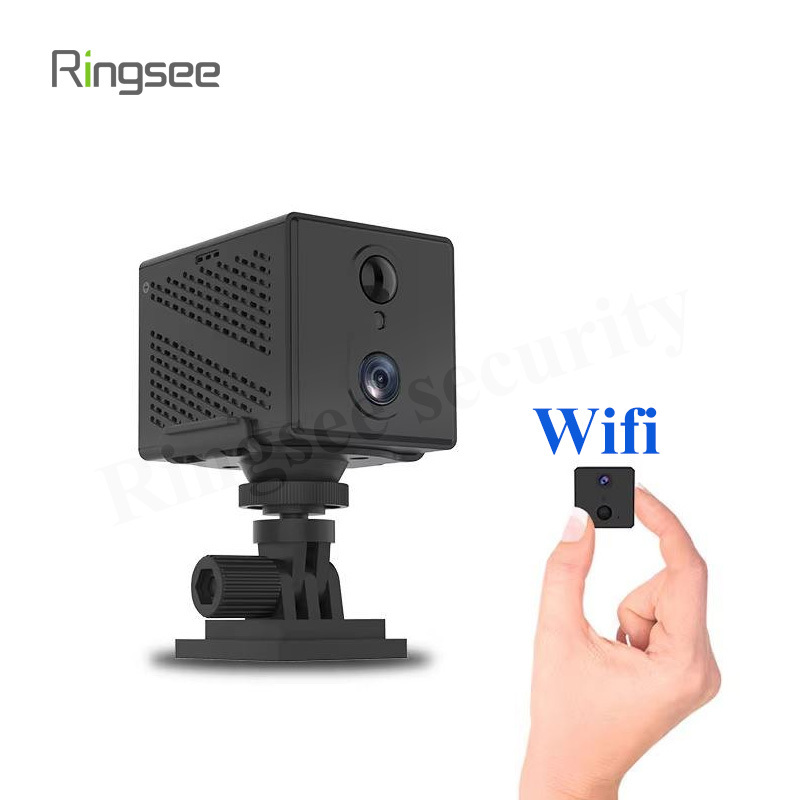
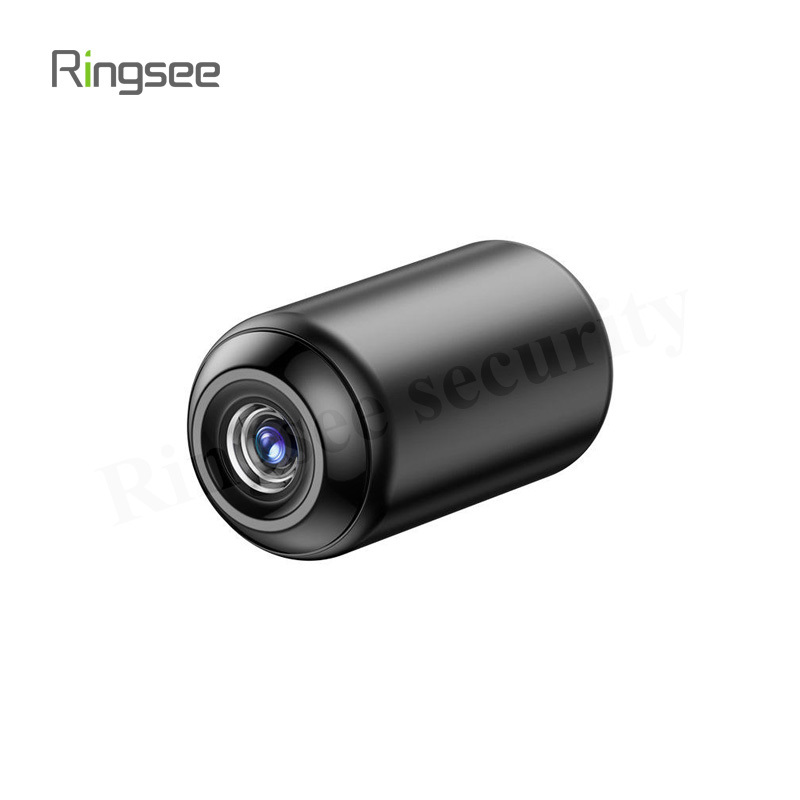
This synergistic design allows us to offer robust 4G and Wi-Fi Low-Power Solar Cameras that deliver high-definition footage without compromising on capturing every critical second, making them ideal for remote farms, construction sites, and properties without easy access to power outlets.
Why AOV Redefines Smart Vision
A smart vision system must be dependable. An unreliable feed forces the user to manually review footage or manage power settings—defeating the purpose of automation. AOV restores the promise of "set-it-and-forget-it" security by guaranteeing the full context of every triggered event.
The Always-On Video revolution is a commitment to reliable perception, making our low-power security systems the most trusted choice for sustainable, comprehensive, and dependable monitoring.
To experience the reliability of guaranteed, full-event video capture, explore our range of energy-efficient solutions:
Related News
CCTV Data Compliance: Video Retention, Privacy Masking and Access Control Management
A practical data-compliance guide for surveillance operators under GDPR and comparable regimes: the three-question legality test, retention-period determination, privacy-masking implementation, a three-tier access model with audit trails, facial-recognition red lines, and cross-border transfer rules — so the system that protects your premises doesn't become your biggest liability.
Sep 12,2026
How to Accept and Sign Off a CCTV Project: Acceptance Checklist and Common Corner-Cutting Traps
A practical acceptance guide for security camera installation projects: the three-stage acceptance process (concealed works, trial run, final handover), six common corner-cutting traps — CCA cable, over-length runs, underrated PoE, refurbished drives, model substitution and inflated retention — plus a field test checklist, document requirements and milestone payment structure.
Sep 12,2026
A selection and compliance guide for industrial security cameras: hazardous-area zone classification (gas and dust), how to read the Ex marking field by field, certificate verification (Ex certificate + IECEx/ATEX or local listing), temperature-tier solutions, corrosion-resistant materials, and the four hidden killers — dust, EMI, vibration and backlight.
Sep 05,2026
Distributed Security Architecture Guide
This guide is for IT managers, procurement teams, and security engineers at chain retailers, manufacturers, and property groups. The problem is not 'which camera to buy,' but how dozens or hundreds of locations can be monitored, managed, and audited from one central point. The core architectural challenge is protocol unification, network topology, and platform governance. Without these, every branch becomes an isolated island, forcing staff to log into different systems and delaying incident response.
Sep 05,2026
The previous nine articles each addressed a link in the chain: power supply (see *Power Supply × Networking: 12-Combination Decision Tree*) determines whether the camera powers on; networking (see *4G + Solar Off-Grid Surveillance Solution Selection Guide*) determines whether it connects; night vision (see *Night Vision and Low-Light Selection Guide*) determines how clearly it sees in the dark; protection and lightning protection (see *IP66/IP67 Protection and Lightning Protection Selection Guide*) determine how long the equipment lasts; lens field of view (see *Surveillance Camera Lens and Field of View / Focal Length Selection Guide*) determines whether it captures the target; storage and NVR (see *Storage and Recording Duration / NVR Selection Guide*) determine whether the footage is retained; remote access and network security (see *Surveillance Camera Remote Access and Network Security / VPN Selection Guide*) determine whether the footage is secure; AI analytics (see *Surveillance Camera AI Analytics (Human / Vehicle / Intrusion Detection) Selection Guide*) determine whether the system can "recognize anomalies"; and alarm linkage and platform integration (see *Surveillance Camera Alarm Linkage and Platform Integration (Audible-Visual / Platform / API / ONVIF) Selection Guide*) determine whether it can "act and be controlled" once an anomaly is recognized. Yet until now, every plan has remained at the level of "selection" — the cameras are still on paper. From a neutral technical perspective, this article pushes the topic cluster to its final link: "installed steady, tuned accurate, maintained affordably." It breaks down pre-deployment site surveys, PoE power supply and wiring sequence, Cat5e/Cat6 cabling distance, lightning protection and grounding with SPD, pole and bracket installation, NVR/platform integration, the commissioning and acceptance process, AI false-alarm rate verification, daily maintenance and troubleshooting, and remote security review, and provides a practical delivery acceptance template to help buyers turn "selecting right" into genuinely "reliable in use."
Aug 29,2026
Links:One Belt Power Technology
Add: 14th Floor, Baoshan Building, Longhua District, Shenzhen China.
Privacy Policy | SEO | CitySite | Support: 300.cn Dongguan