





Why Low-Power and Solar AOV Cameras Are the Future of Outdoor Surveillance
Publish:
2025-07-04 12:13
Source:
https://www.ring-see.com
Discover why low-power and solar AOV cameras are transforming outdoor surveillance. Compare with traditional CCTV and explore the benefits of sustainable, off-grid camera solutions for OEM markets.
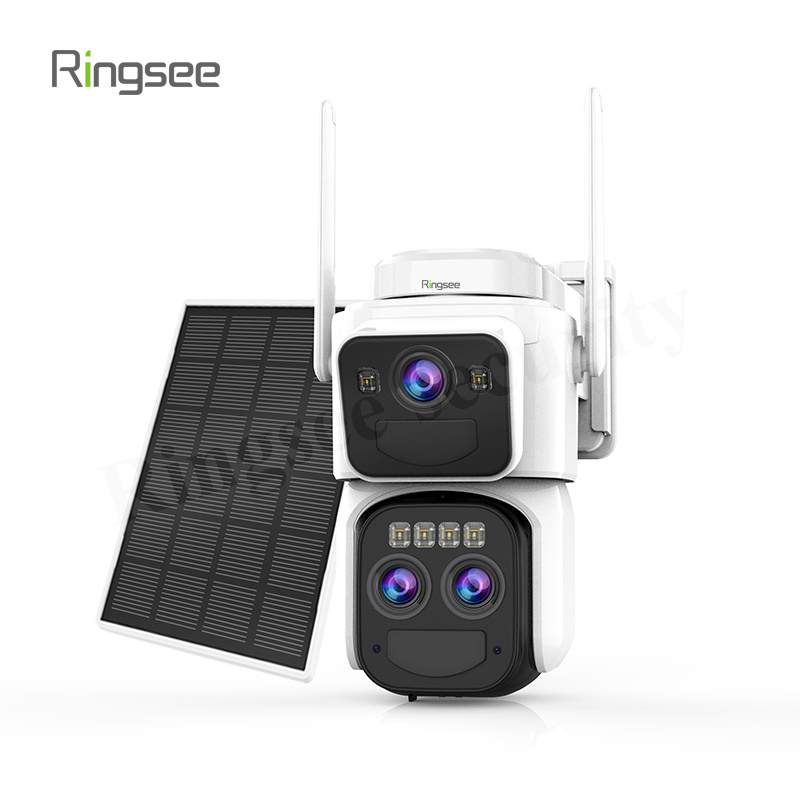
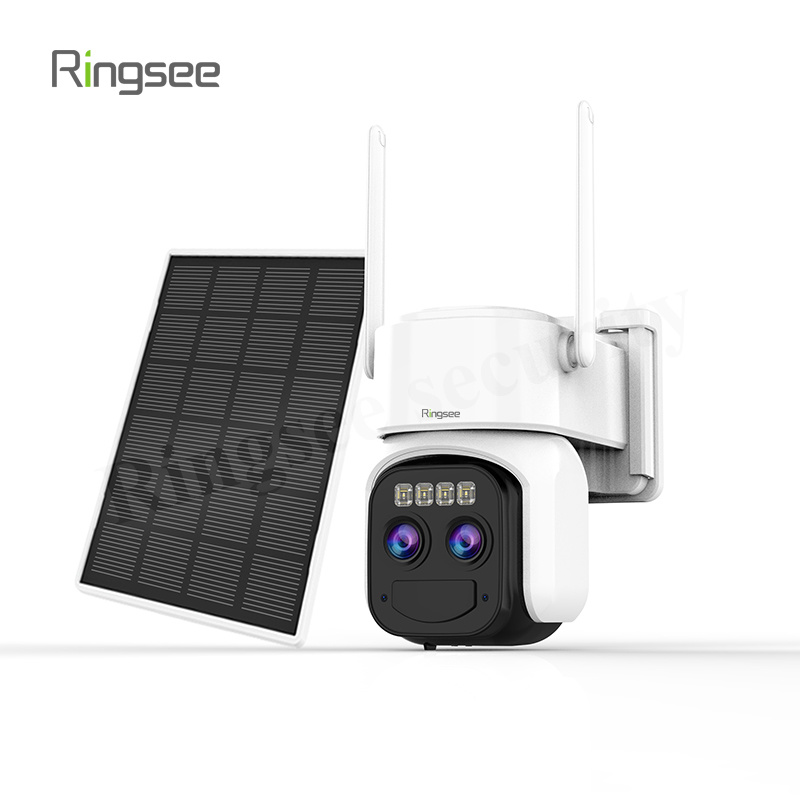
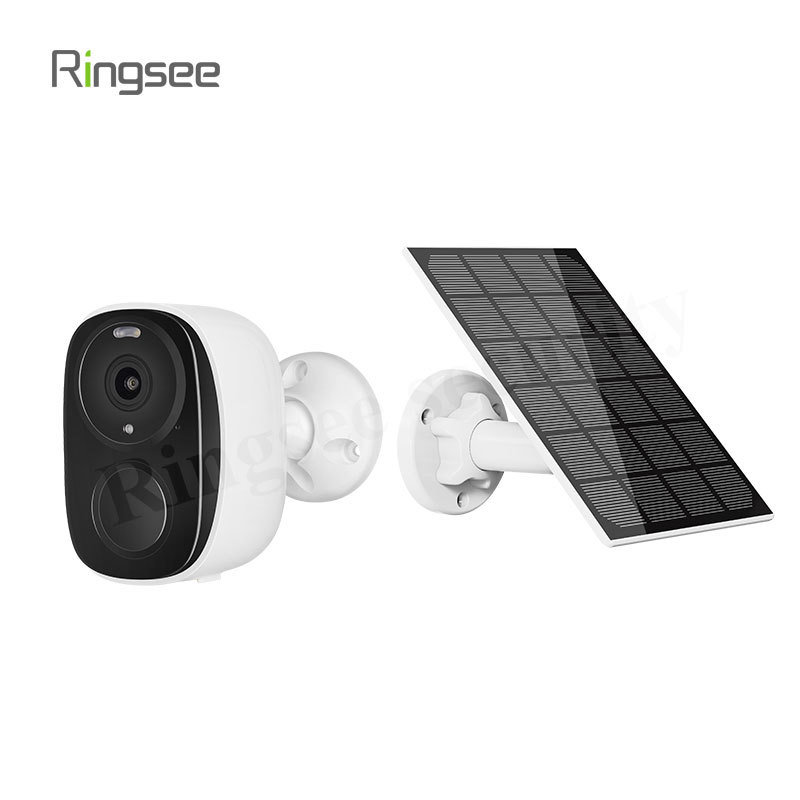
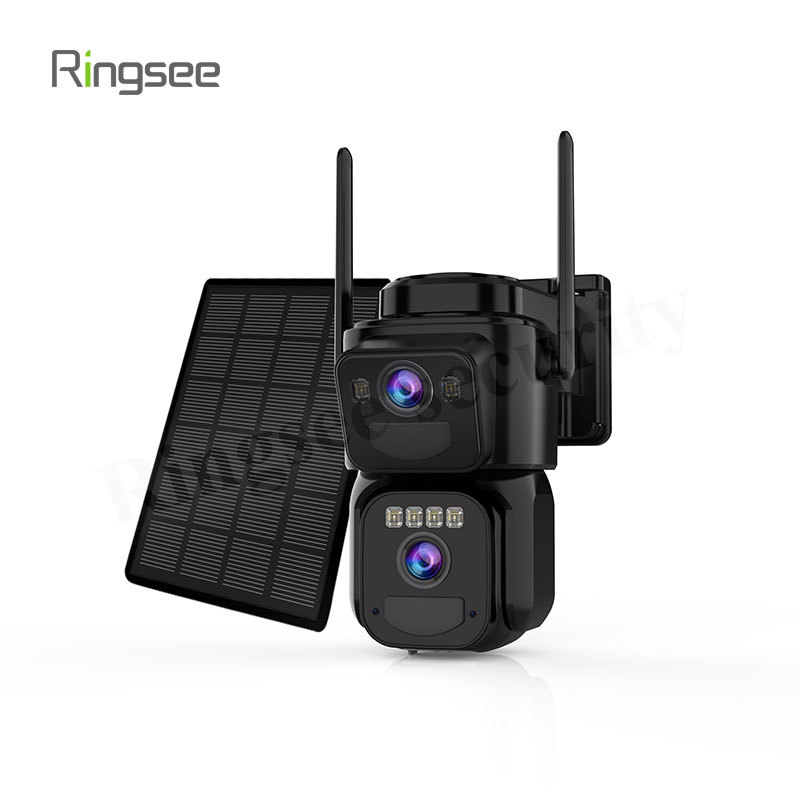
Outdoor surveillance is no longer just about capturing video—it's about doing it smarter, cleaner, and more efficiently. In recent years, we’ve seen a shift in focus toward low-power AOV cameras and solar-powered security camera solutions, and frankly, it’s easy to see why.
As homeowners, business owners, and government planners become more environmentally conscious and more dependent on reliable technology, traditional security systems—plugged into the grid and power-hungry—are starting to feel outdated. Instead, off-grid camera solutions are emerging as the modern answer to real-world challenges.
Let’s explore why this shift is happening—and why it's here to stay.
Low-Power AOV Cameras vs. Traditional CCTV: A Quick Comparison
| Feature | Low-Power AOV Cameras | Traditional CCTV Systems |
|---|---|---|
| Power Consumption | <5W (on average) | 10–15W per unit |
| Power Source | Solar + battery (optional) | Wired AC power |
| Installation | Wireless, easy setup | Requires wiring & drilling |
| Maintenance | Minimal | Regular upkeep needed |
| Flexibility/Deployment | Portable, scalable | Fixed, location-restricted |
| Ideal Use Cases | Remote areas, farms, cabins | Urban buildings, permanent setups |
The Industry Speaks: Demand Is Soaring
Recent market studies back this up. According to Statista, the global video surveillance market is expected to reach USD 83 billion by 2030, with solar-powered systems projected to grow at over 15% CAGR from 2024 onward.
Meanwhile, reports from MarketsandMarkets show that the global demand for low-power IoT and AOV (Always-On Video) cameras is rising rapidly due to:
Increased remote work and off-site infrastructure
Smart farming and rural monitoring growth
Expansion of smart cities and green infrastructure policies
It’s no longer a niche trend—it’s becoming the standard.
Why Solar and Low-Power Just Make Sense
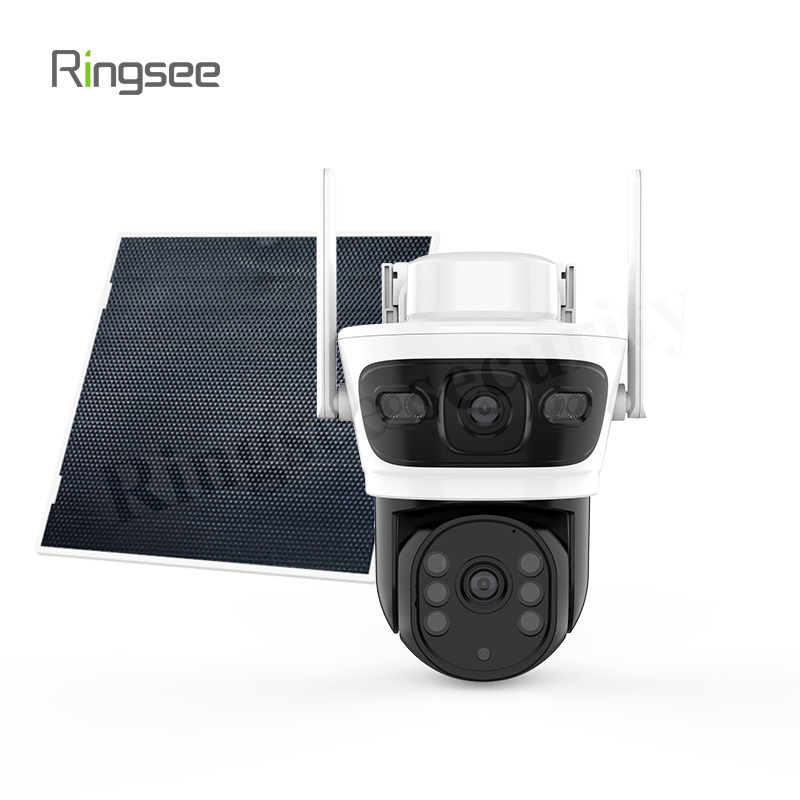
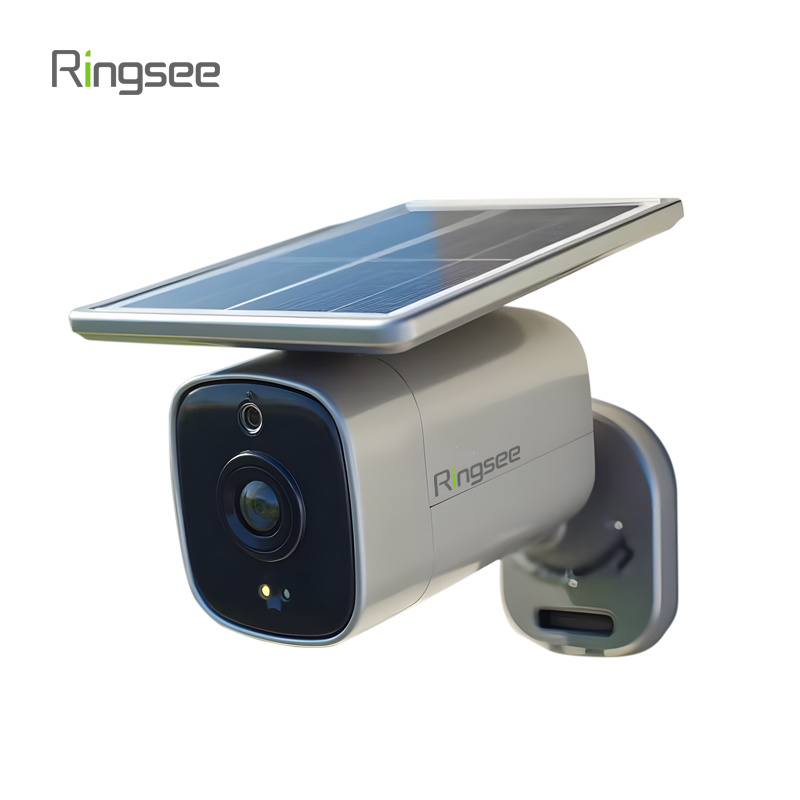
If you’ve ever tried to install cameras in a location without reliable electricity or Wi-Fi, you know how frustrating it can be. That’s where low-power, solar-powered AOV cameras shine (quite literally).
Real-World Benefits You’ll Notice:
No electricity bills: Solar energy powers the system.
No blackouts: Even during power cuts, the camera keeps rolling.
No messy cables: Clean, simple, and ideal for DIYers and professionals alike.
No blind spots: Put cameras where wires won’t reach—like along fences, in fields, or near water tanks.
For example, many of Ringsee’s OEM clients report over 40% reduction in maintenance costs after switching to solar-based units, thanks to the elimination of power-related breakdowns.
What Makes AOV (Always-On Video) So Powerful?
You might wonder: what’s so special about AOV?
Unlike motion-activated cameras that may miss critical events, AOV systems are designed to record continuously with minimal power usage. By optimizing firmware and using AI-enhanced smart streaming, modern AOV cameras can:
Identify humans, animals, and vehicles with 98% accuracy
Send real-time alerts to your phone
Store video locally, in the cloud, or on secure SD cards
Use less than 1/3 the power of conventional 24/7
This kind of intelligent, efficient surveillance is ideal for everything from vacation homes to critical infrastructure.
OEM Opportunity: Why Manufacturers Should Pay Attention
For manufacturers and security brands, this isn’t just a product trend—it’s a business shift.
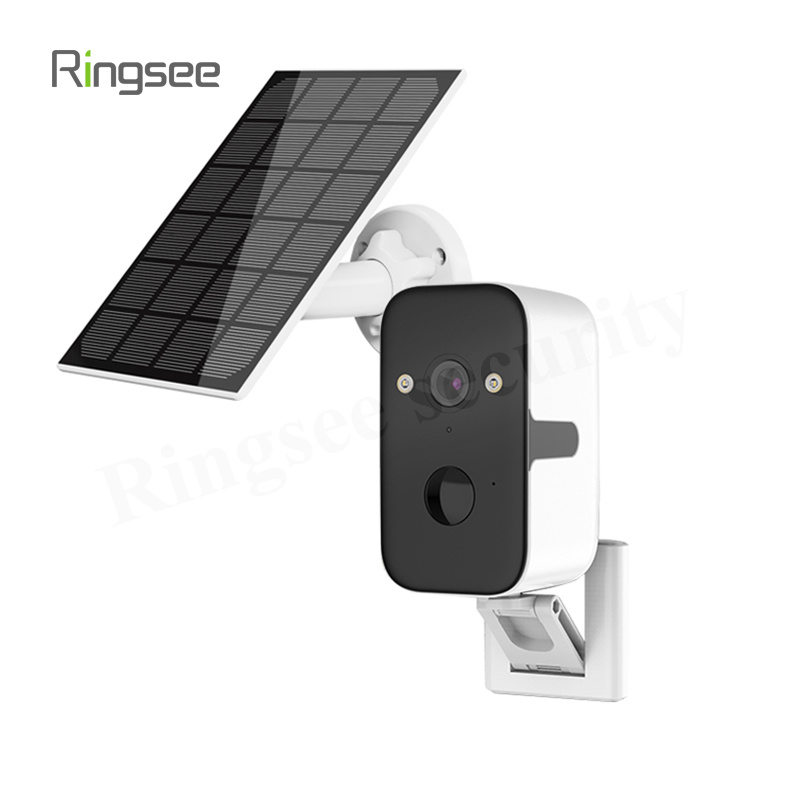
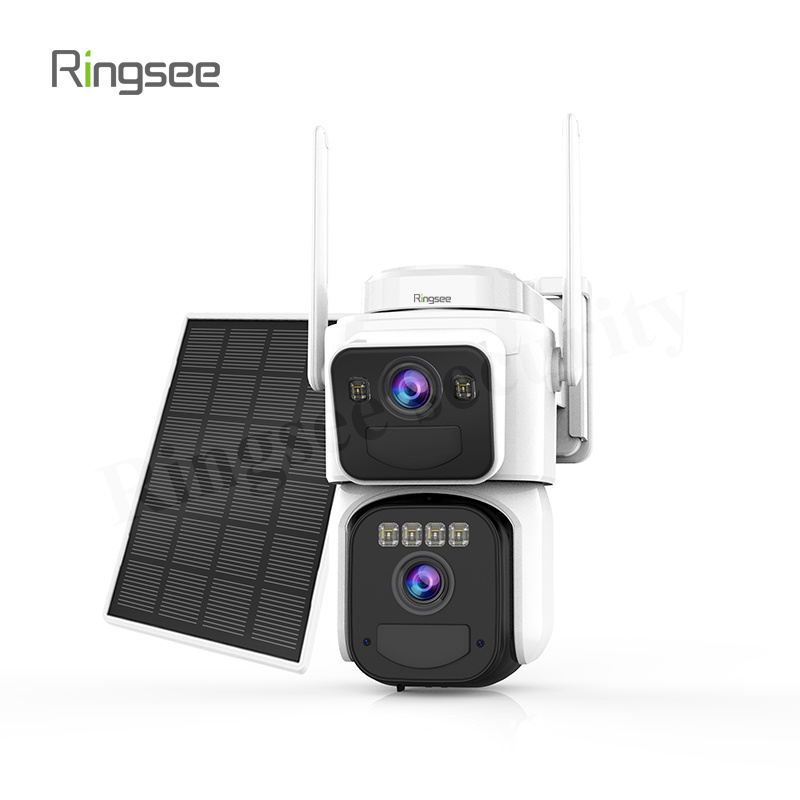
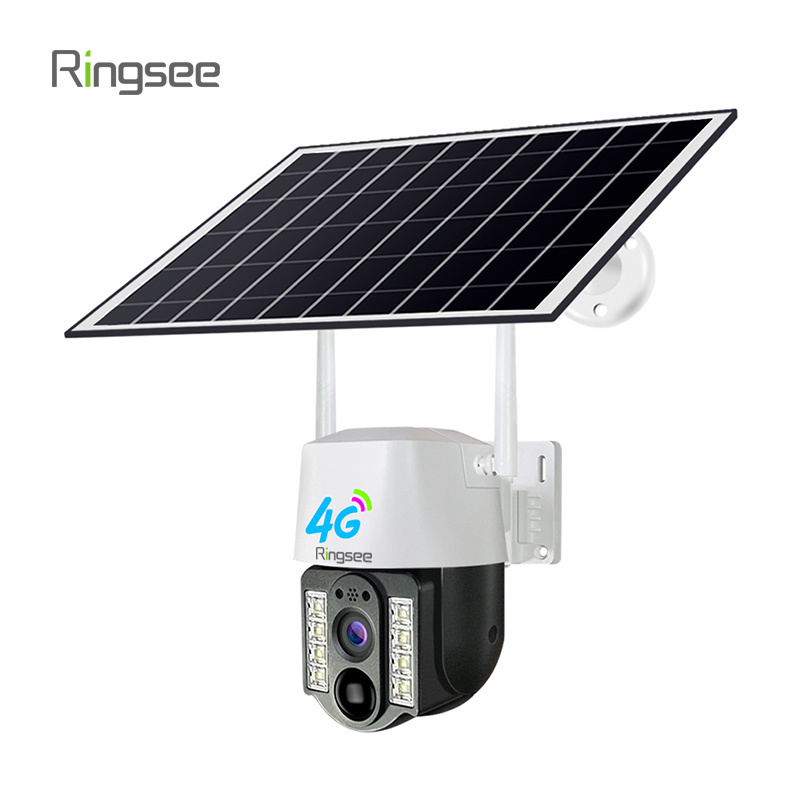
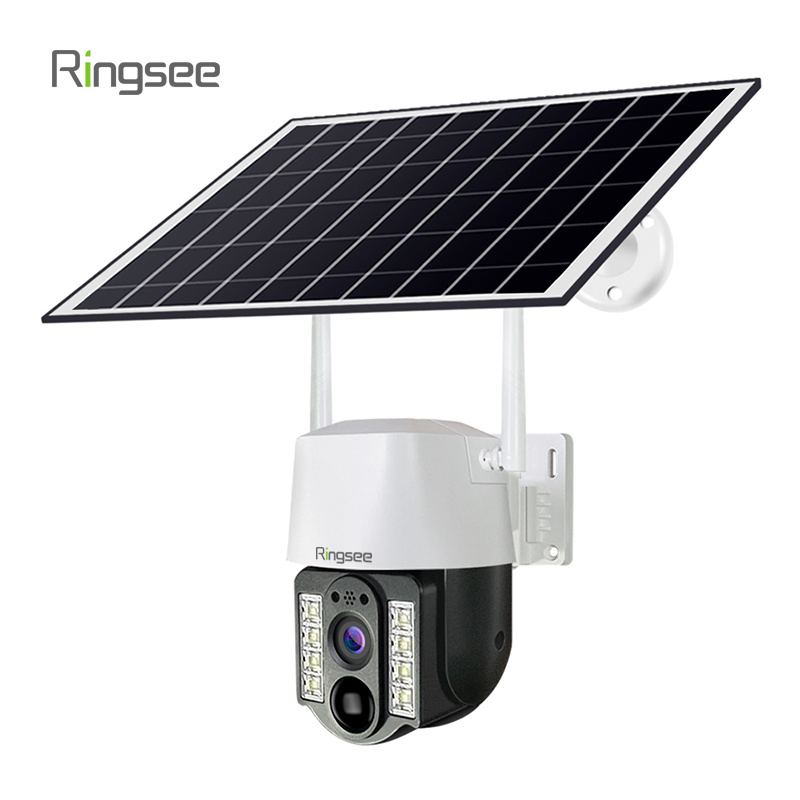
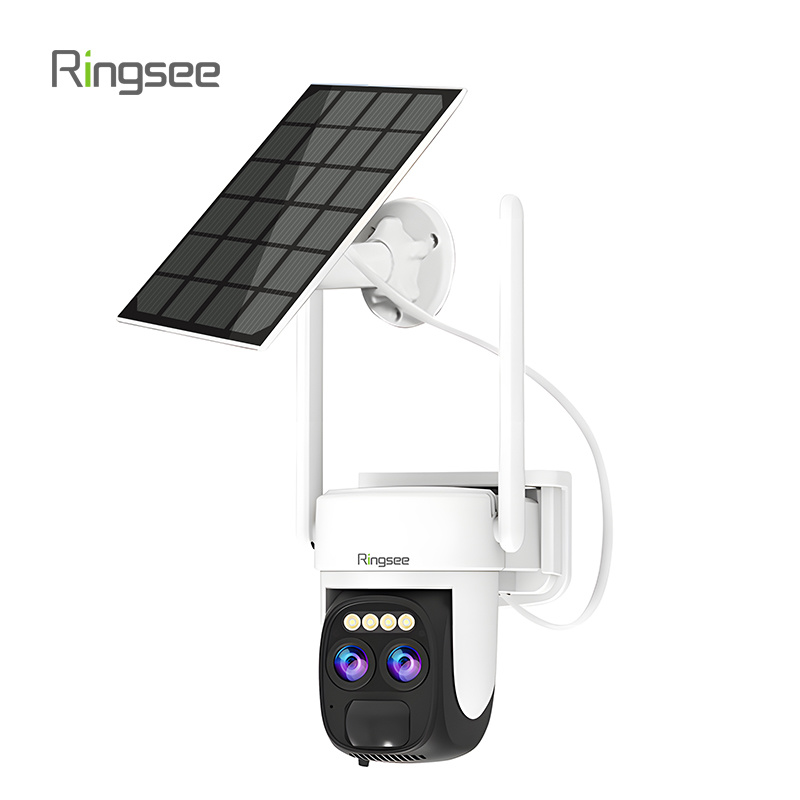
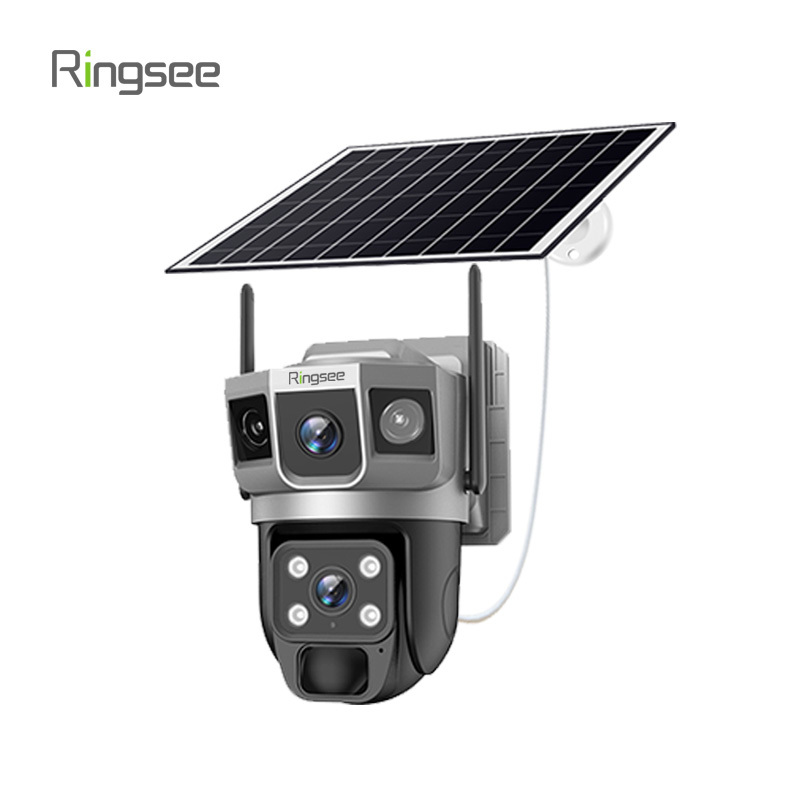
By offering solar security camera OEM packages with customizable logos, app integration, firmware branding, and AI features, you’re not only meeting market demand—you’re helping shape the future of sustainable surveillance.
OEM clients are looking for:
White-label AOV camera options
Solar kits bundled with low-power units
Mobile app support and AI analytics
4G/5G compatibility for off-grid use
With the right partnerships and product designs, your OEM brand can appeal to public agencies, construction firms, agricultural operations, and environmentally conscious consumers across the globe.
Final Thoughts: The Future Is Off-Grid, Efficient, and Always On
Whether you're a homeowner who wants peace of mind in your backyard or a system integrator tasked with securing a solar farm in the desert, low-power and solar AOV cameras offer a better solution.
They're:
More affordable in the long run
More reliable in unpredictable environments
More aligned with the planet’s future
As more customers look for sustainable and flexible surveillance options, it’s clear that this is not just an upgrade—it’s the future of outdoor security.
Related News
When overseas distributors, system integrators, and procurement managers at chain enterprises select a security camera, the spec sheet's "resolution, night vision range, frame rate" rarely reveal the true experiential difference. What really separates the user experience are two underlying technologies: Black Light night vision and AOV (Always-On Video, 24/7 online recording). Written from a buyer's perspective and in plain language, this article explains the principles of these two technologies, how they differ from traditional approaches, and their suitable use cases. It also provides a verification checklist that can be used directly for sample testing and supplier audits, helping you turn "technical understanding" into "precise model selection" — thereby reducing return rates and improving end-customer satisfaction. Whether you are procuring a solar security camera, an AOV low-power camera, or indoor/outdoor smart surveillance, this guide applies.
Jul 25,2026
For overseas distributors, system integrators, and procurement managers at chain enterprises, selecting a security camera is only the first step; what truly determines project delivery quality, supply stability, and profit margins is often the manufacturer behind the product. Written from the buyer's perspective, this article examines six major dimensions—factory strength, R&D reserves, OEM/ODM customization capability, quality system and certifications, supply chain delivery, and after-sales service—providing a practical evaluation framework and an on-site audit checklist, and uses Ringsee (Shenzhen Ruishi Technology Co., Ltd.), a manufacturer with more than 20 years of industry experience, as a reference case to help you establish clear criteria for judging a "quality security camera manufacturer." Whether you are evaluating a solar security camera, a low-power AOV camera, or indoor/outdoor intelligent surveillance solutions, this methodology applies.
Jul 25,2026
How to Manage Multi-Branch/Plant Surveillance? Distributed Security Architecture Guide
A B2B architecture guide for unified management of surveillance across multiple stores, factories, or warehouses. Covers protocol unification (ONVIF/GB28181), three-layer network architecture, VPN/SD-WAN/leased-line options, VMS platform selection, alarm filtering, and cross-region video retrieval.
Jul 19,2026
Security Camera Project Budget Guide — B2B Procurement Cost Breakdown Template
A practical cost breakdown template for security surveillance project budgets — covering equipment, installation, networking, software, maintenance, and hidden costs. Helps B2B procurement managers avoid 20–40% budget overruns.
Jul 19,2026
Bought a security camera but don't know how to use it properly? This guide covers first-time setup, alert tuning to cut false alarms by 80%, remote viewing optimization, video search, smart home integration, and a quarterly maintenance checklist.
Jul 11,2026
Links:One Belt Power Technology
Add: 14th Floor, Baoshan Building, Longhua District, Shenzhen China.
Privacy Policy | SEO | CitySite | Support: 300.cn Dongguan