





Industry Analysis of AOV (Always On Video) Security Cameras
Publish:
2025-03-25 16:04
Source:
https://www.ring-see.com
Explore the AOV security camera industry, including market trends, top manufacturers, key technology, and future applications for 24/7 surveillance solutions.
The AOV (Always On Video) security camera industry is growing rapidly, driven by demand for continuous 24/7 surveillance and AI-powered monitoring. Key manufacturers like Hikvision, Dahua, and Ringsee are leading the market, which is projected to reach over $147 billion by 2030. Despite challenges in power efficiency, data management, and AI accuracy, AOV cameras are finding applications in smart cities, retail, healthcare, and industrial security. With advanced low-power designs and cloud-based storage, AOV technology is set to become an essential component of modern security ecosystems.
Technical Parameters
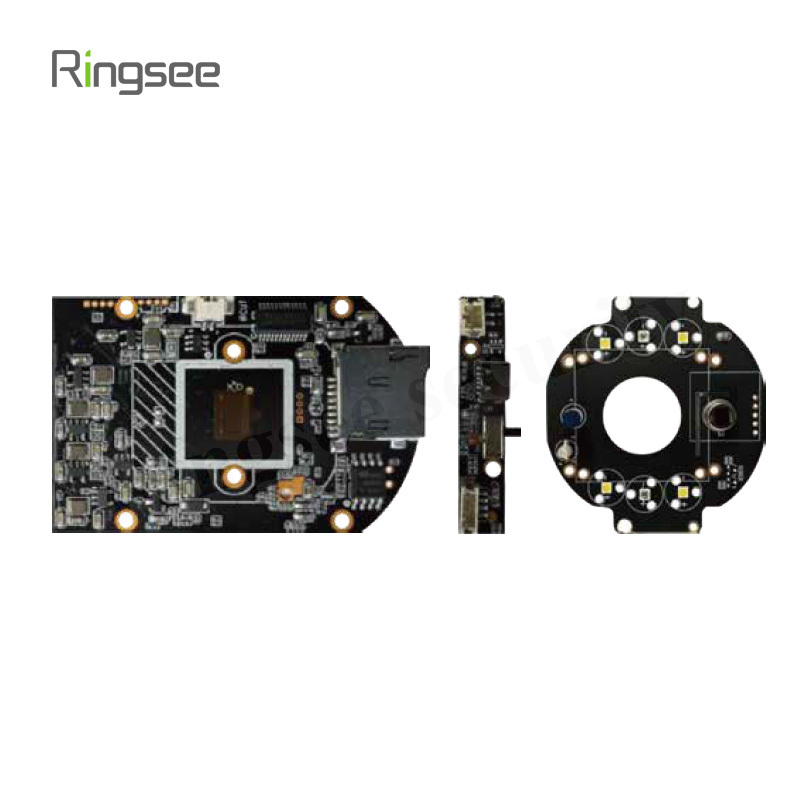
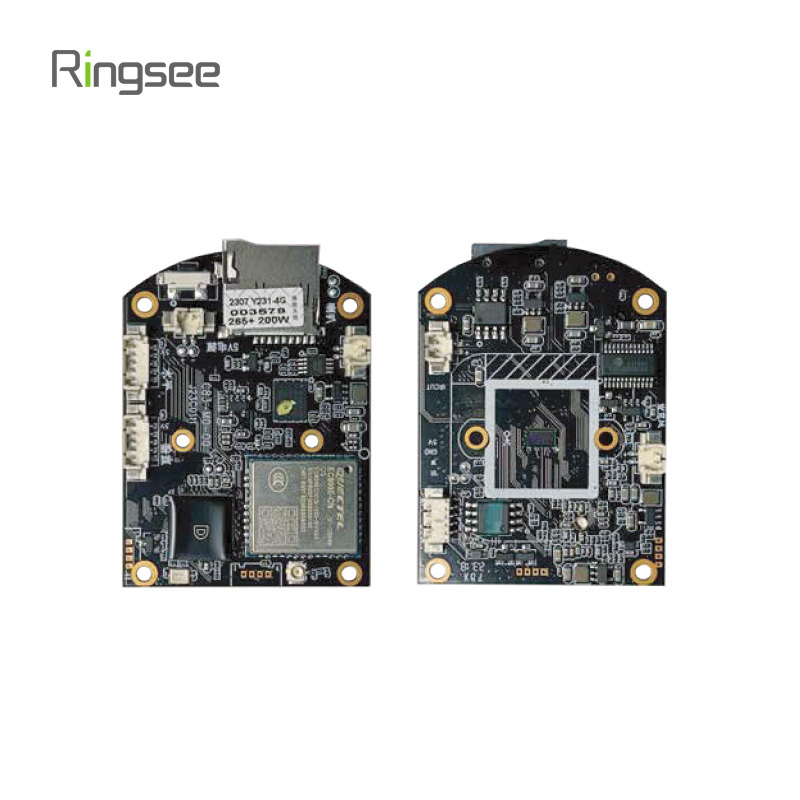
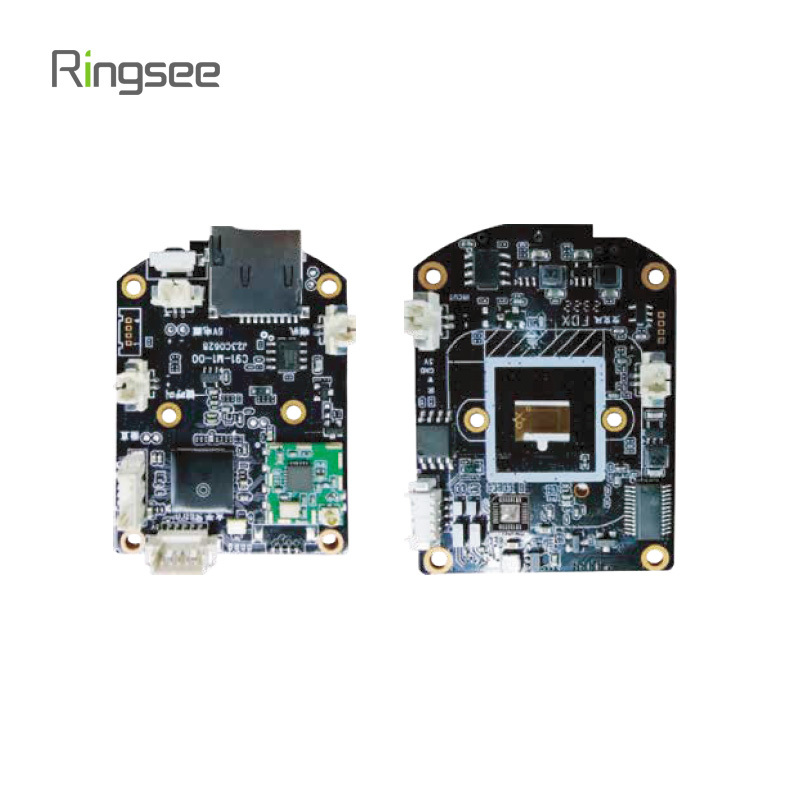
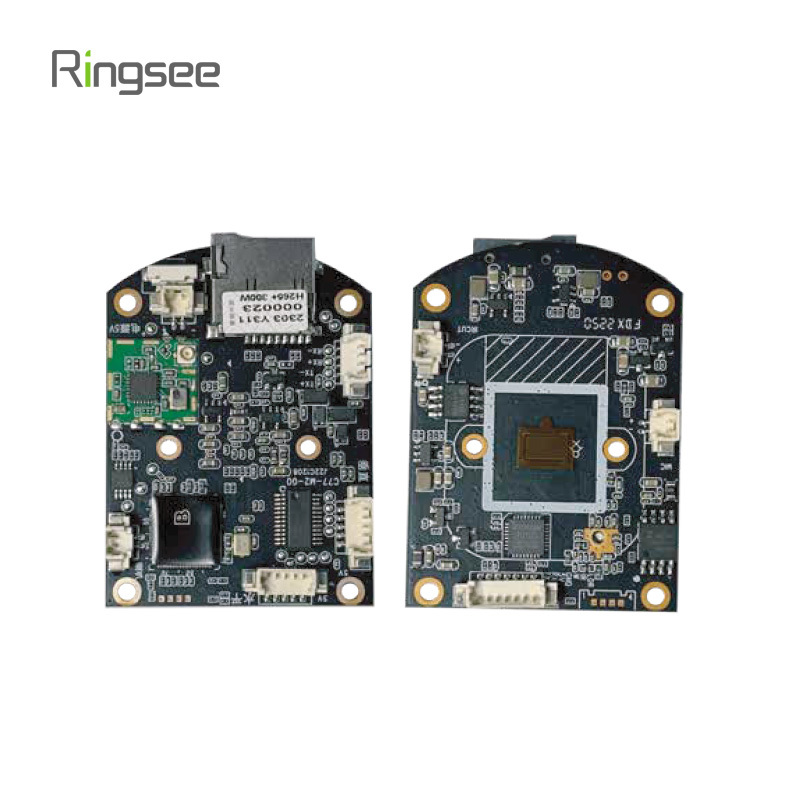
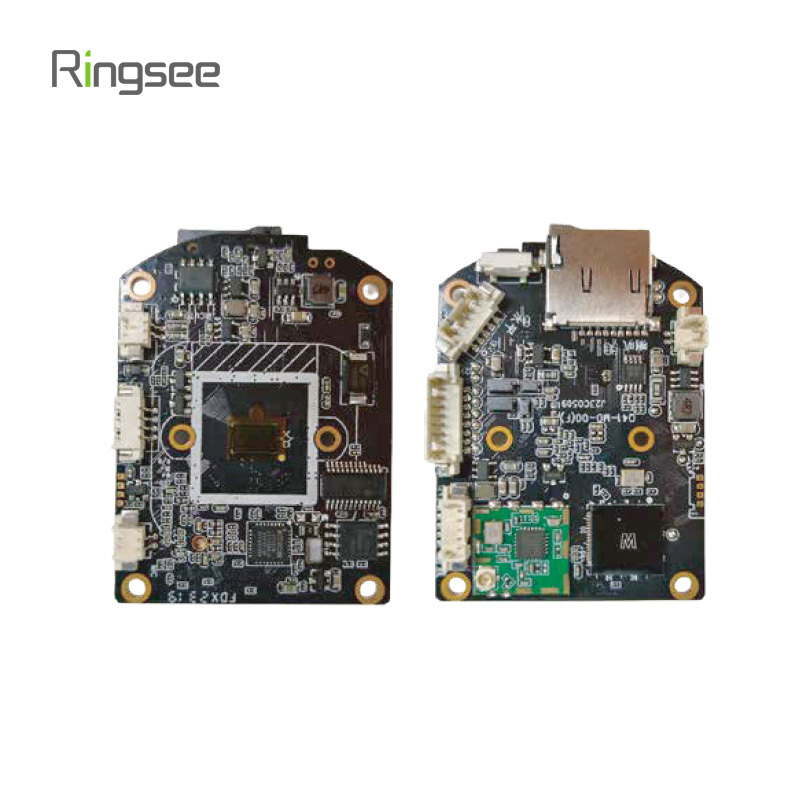
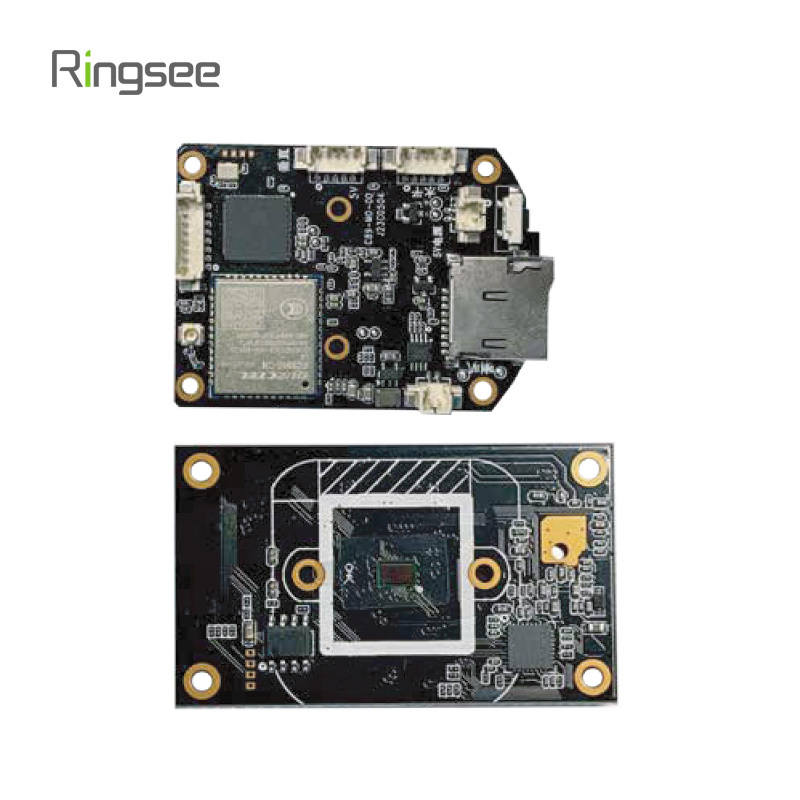
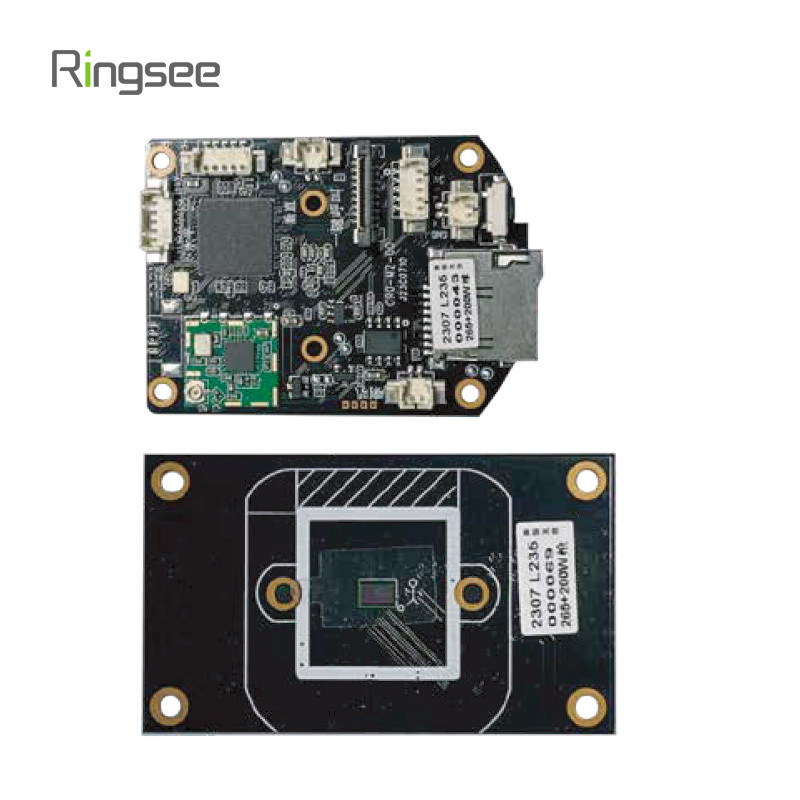
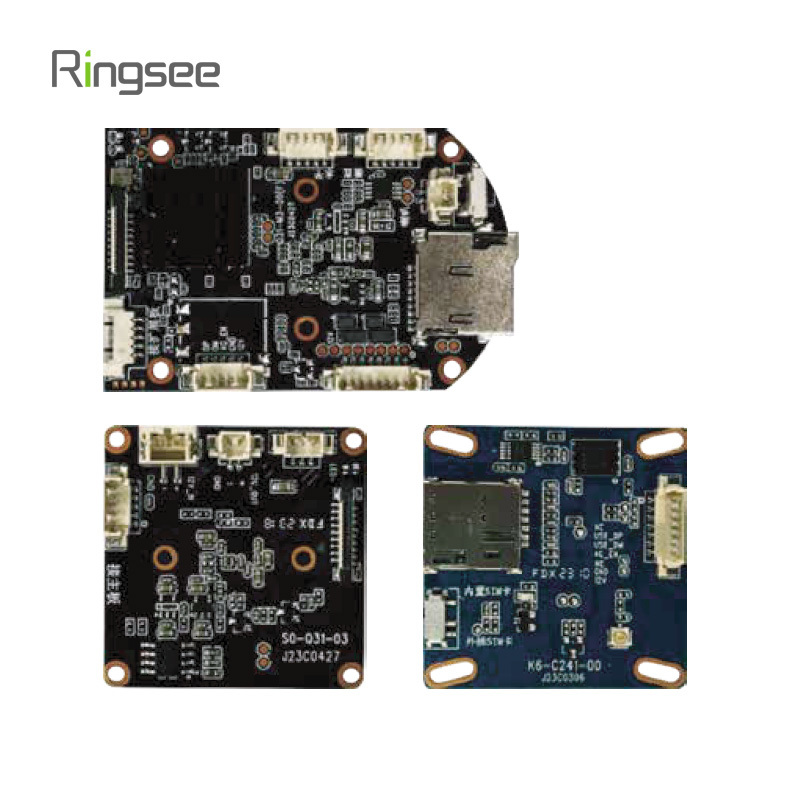
AOV security cameras are engineered for continuous video recording while maintaining power efficiency and image quality. Key technical specifications include:
Resolution: Ranges from 1080p Full HD to 4K Ultra HD, ensuring that critical details are captured.
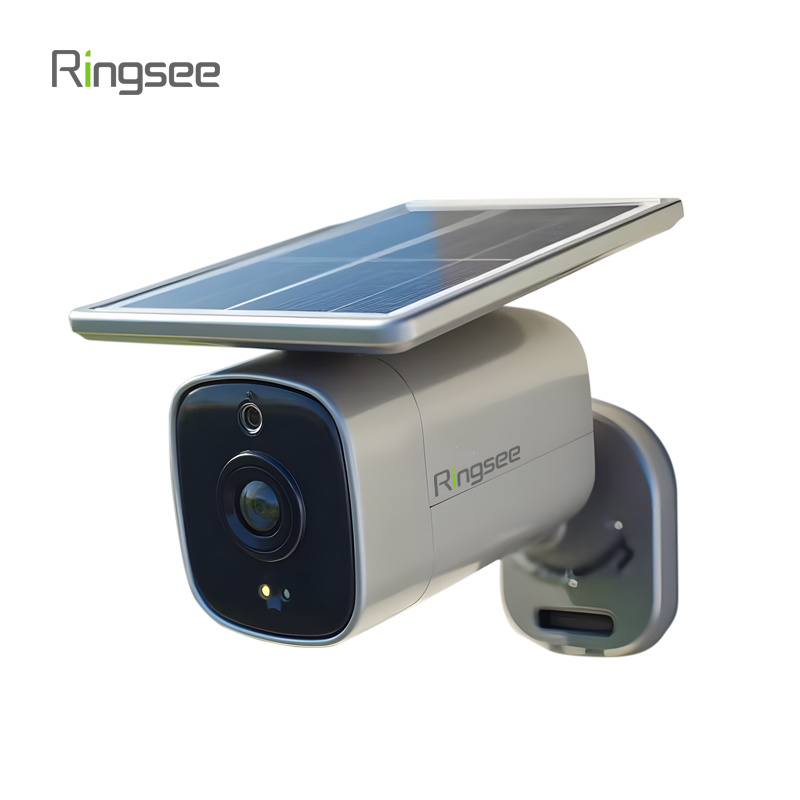
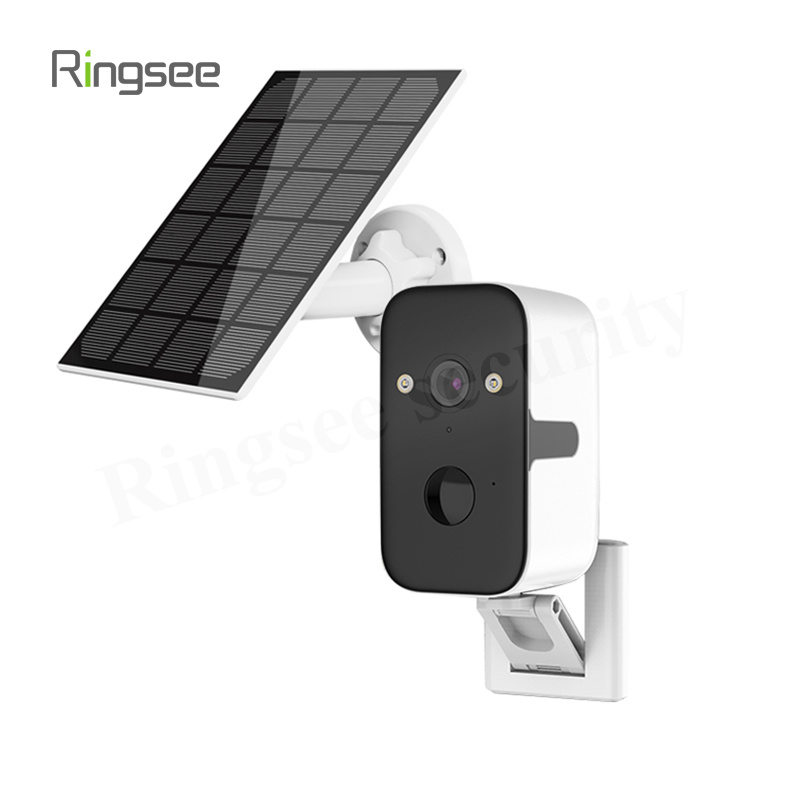
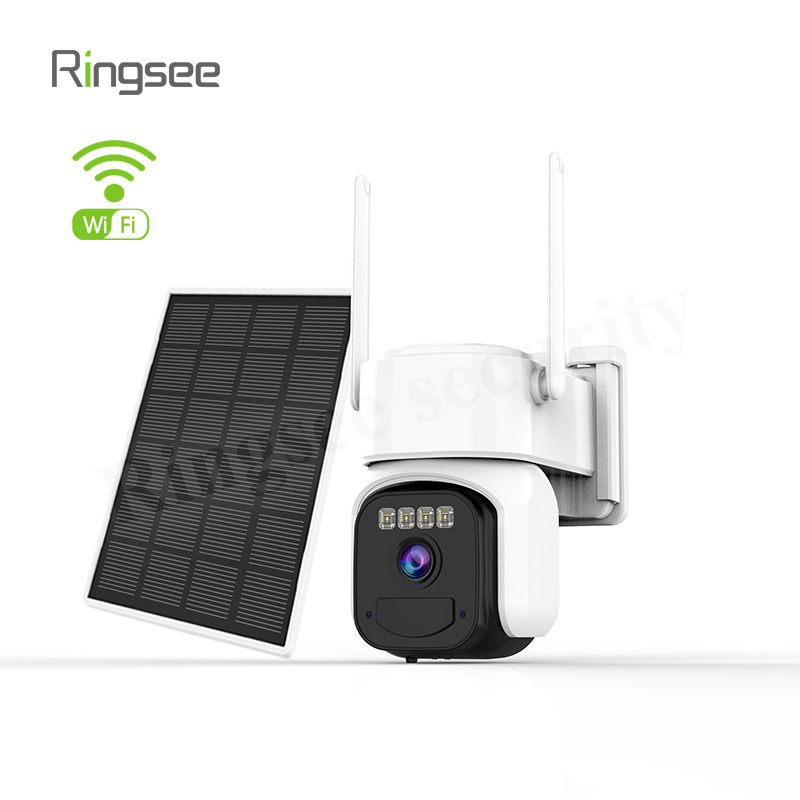
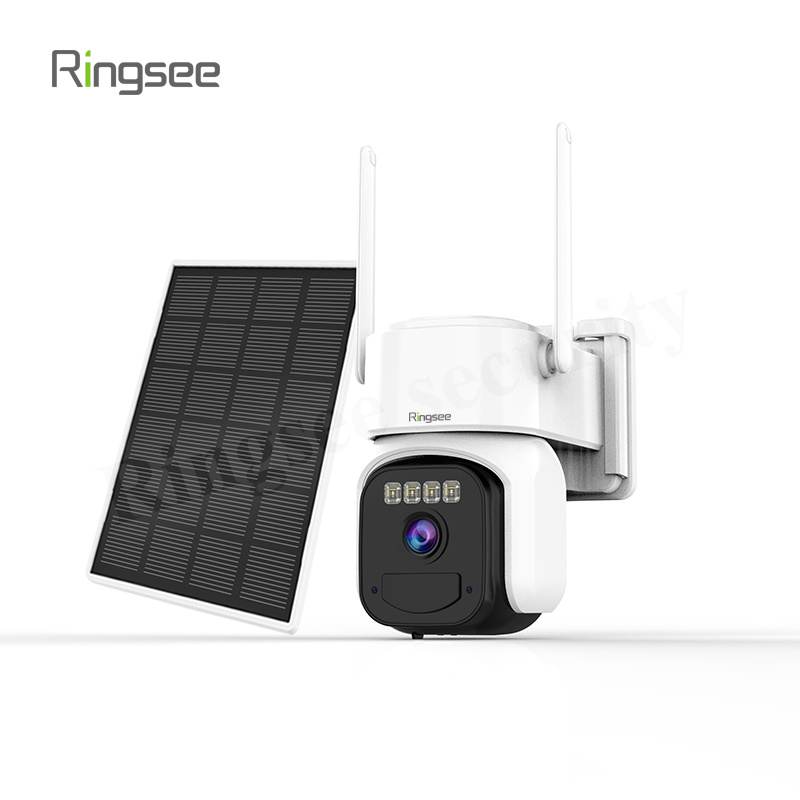
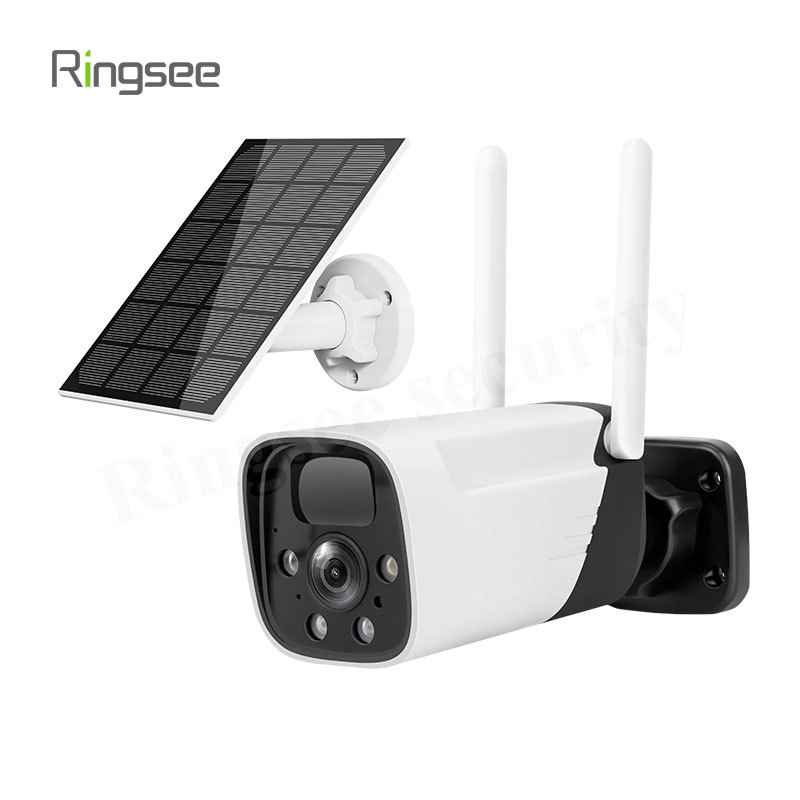
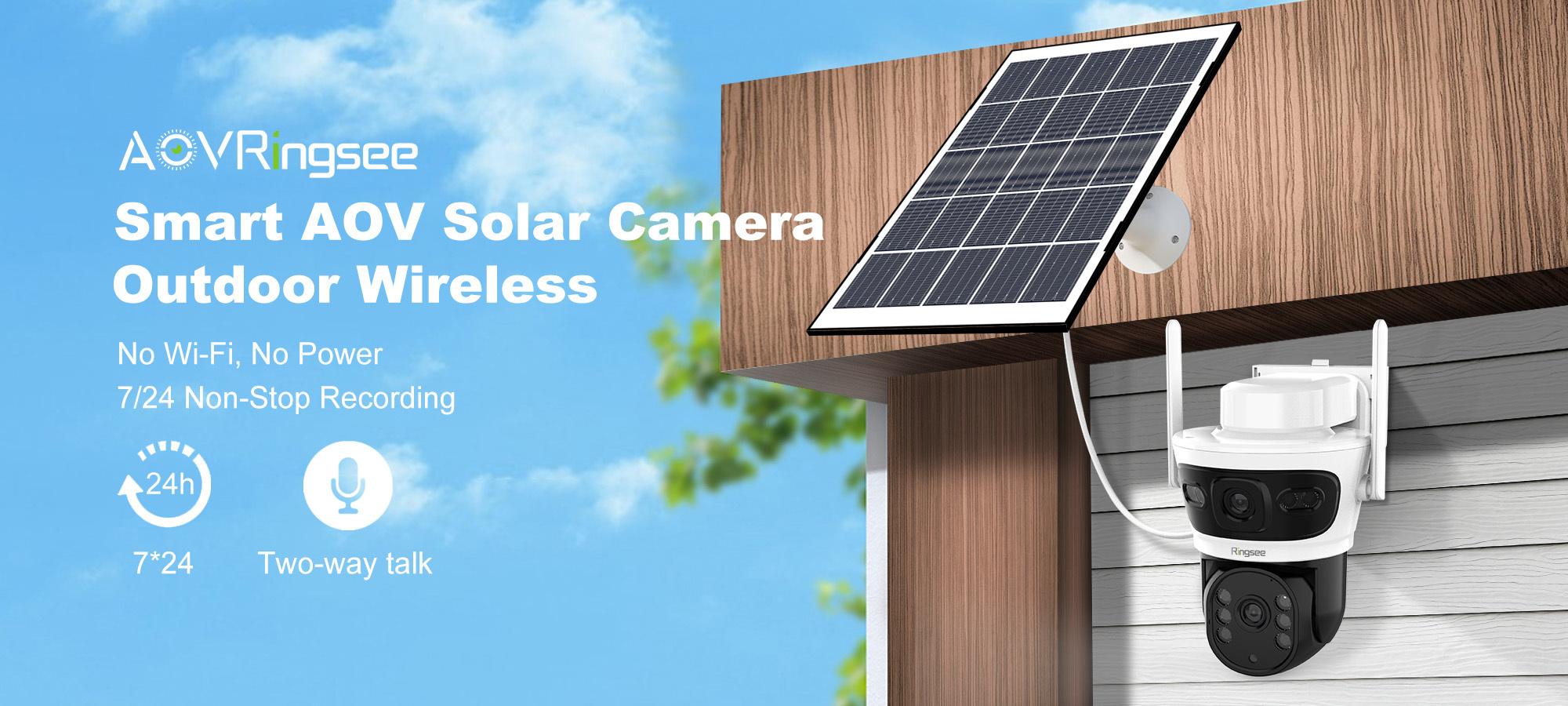
Power Efficiency: Integration of low-power chipsets and, in many cases, solar-powered battery solutions minimizes energy consumption even during 24/7 operation.
Storage Solutions: Support for local storage (via SD cards) and cloud-based services enables extended retention of footage without overwhelming on-site infrastructure.
AI Features: Built-in algorithms for motion detection, facial recognition, and anomaly detection reduce false alarms and help pinpoint significant events quickly.
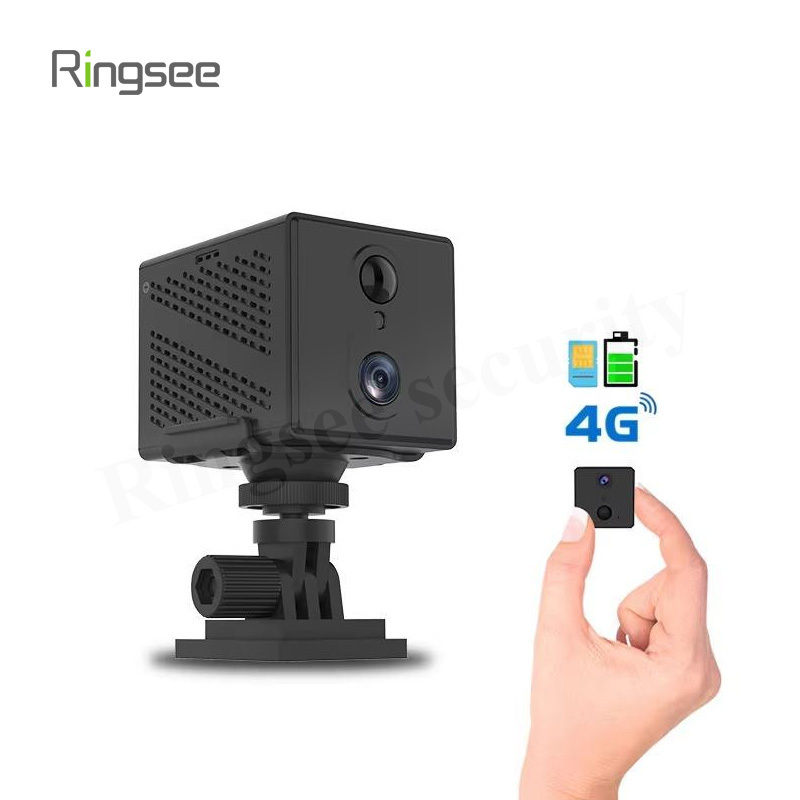
Connectivity: Options include Wi-Fi, 4G LTE, and Ethernet, allowing for remote real-time monitoring across various environments.
Environmental Durability: Weather-resistant designs (IP65/IP67 rated) and night vision (infrared or full-color low-light modes) ensure reliable performance in diverse conditions.
Global Market Share and Leading Manufacturers
The global video surveillance market has been experiencing robust growth. According to Statista, the video surveillance camera market was valued at approximately USD 35 billion in 2022 and is forecast to grow to over USD 62 billion by 2027
. Meanwhile, a report by Grand View Research projects that the broader video surveillance market will reach around USD 147.66 billion by 2030, growing at a CAGR of 12.1% from 2025 to 2030
While AOV cameras currently represent a niche segment within this larger market, their continuous 24/7 recording capability is gaining traction—especially in sectors where uninterrupted monitoring is critical. Industry experts predict that the AOV segment could capture between 10% and 15% of overall video surveillance revenues by 2030.
Key players in the overall surveillance market also dominate the AOV space. Leading manufacturers include:
Hikvision: A global leader in video surveillance, known for integrating AI into its systems.
Dahua Technology: Recognized for its extensive product portfolio, including AOV and solar-powered security cameras
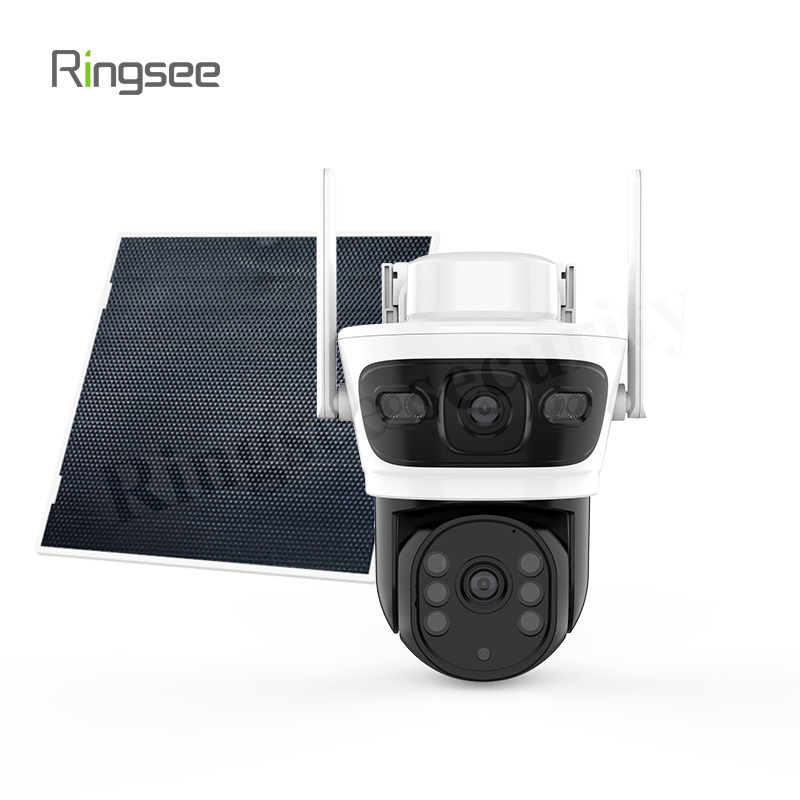
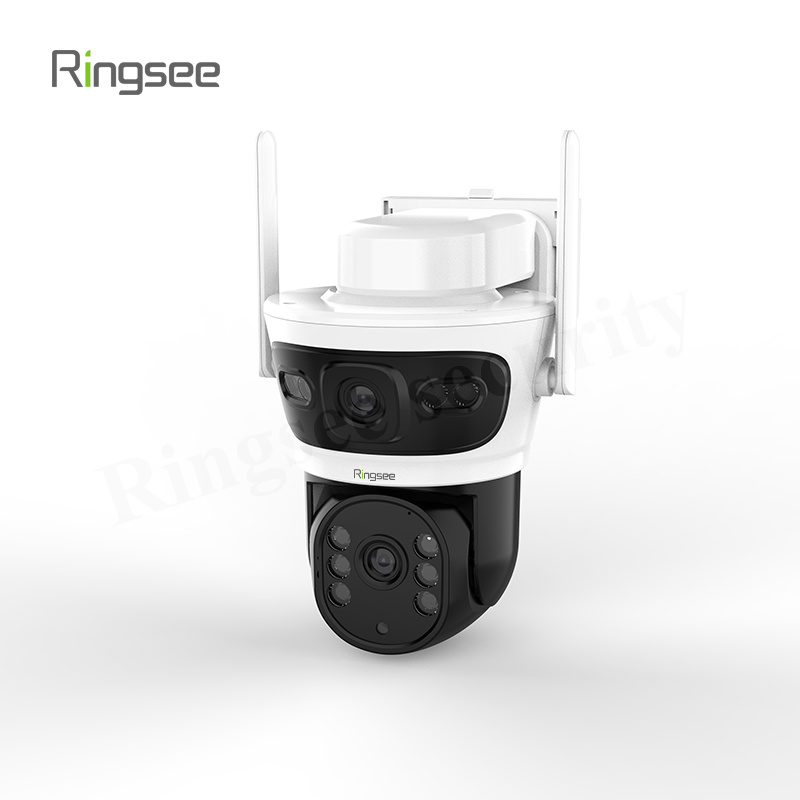
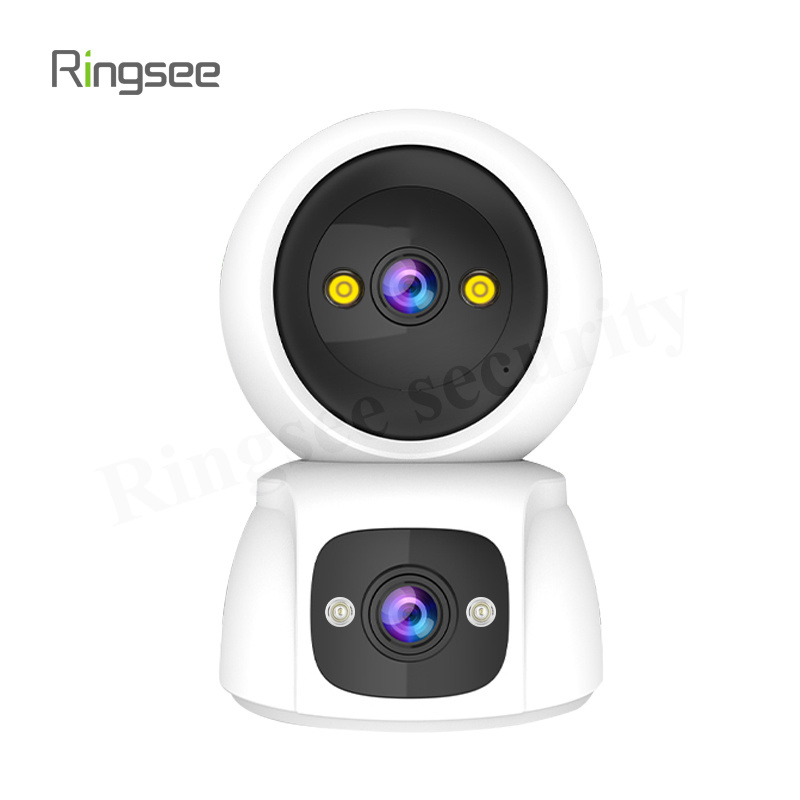
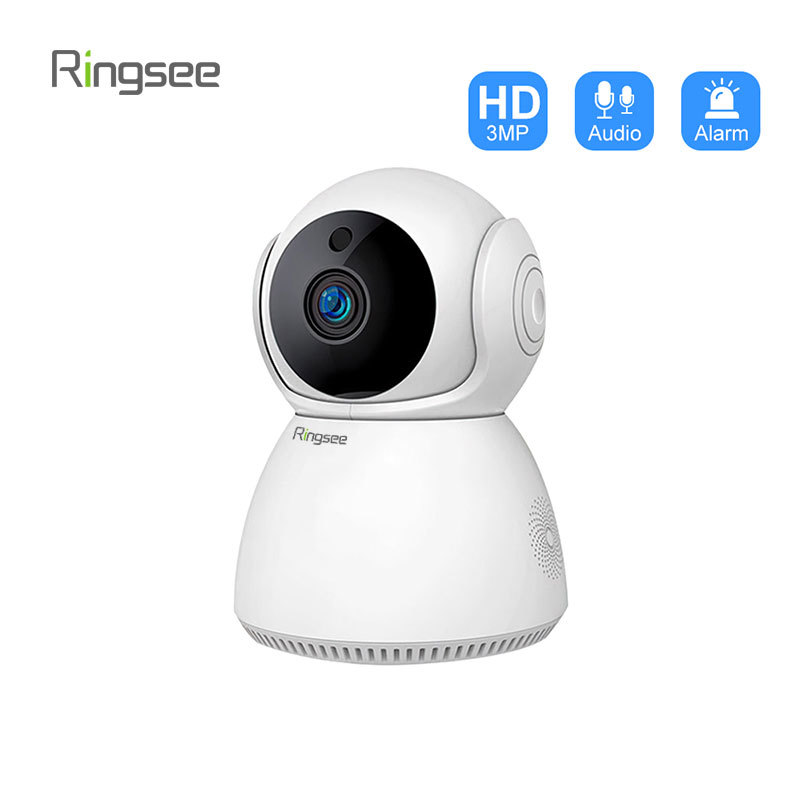
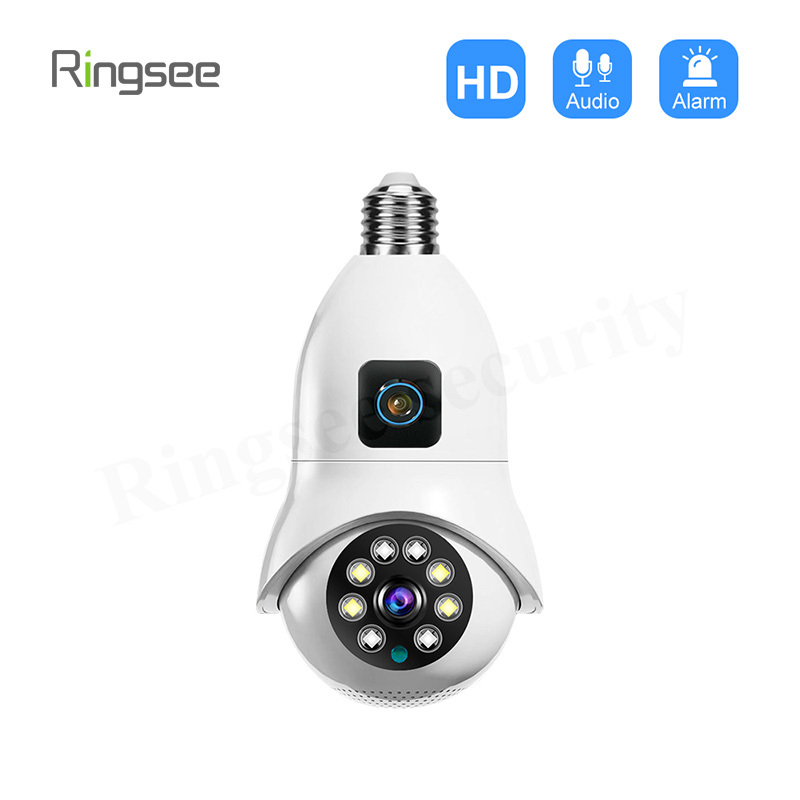
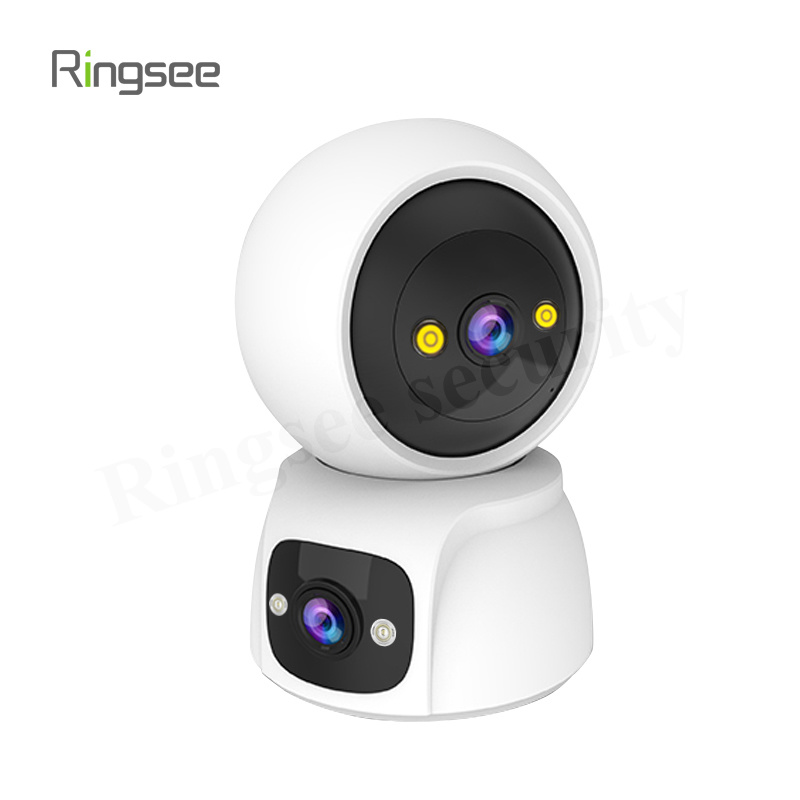
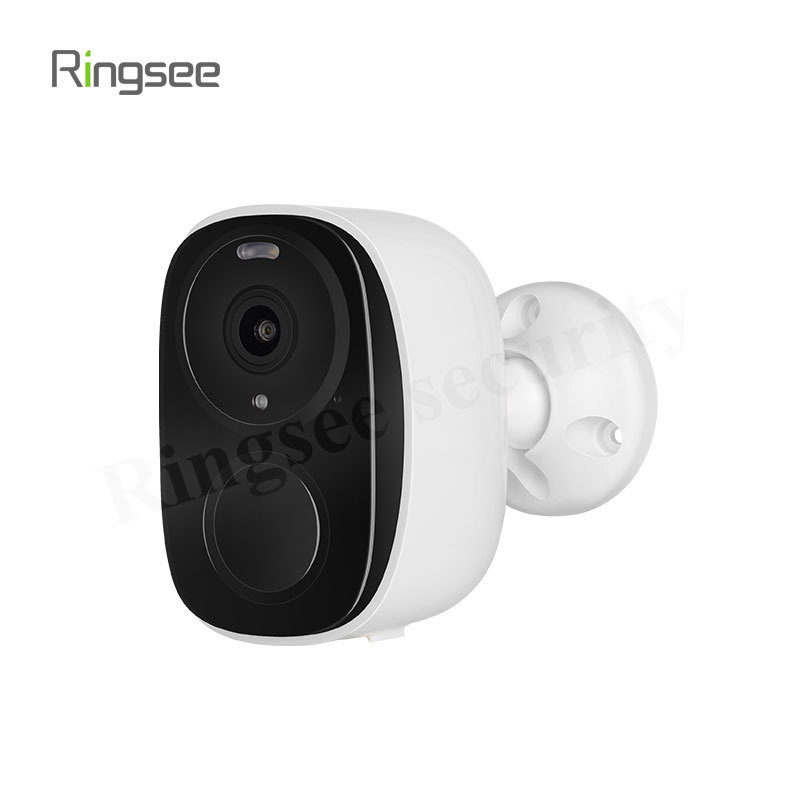
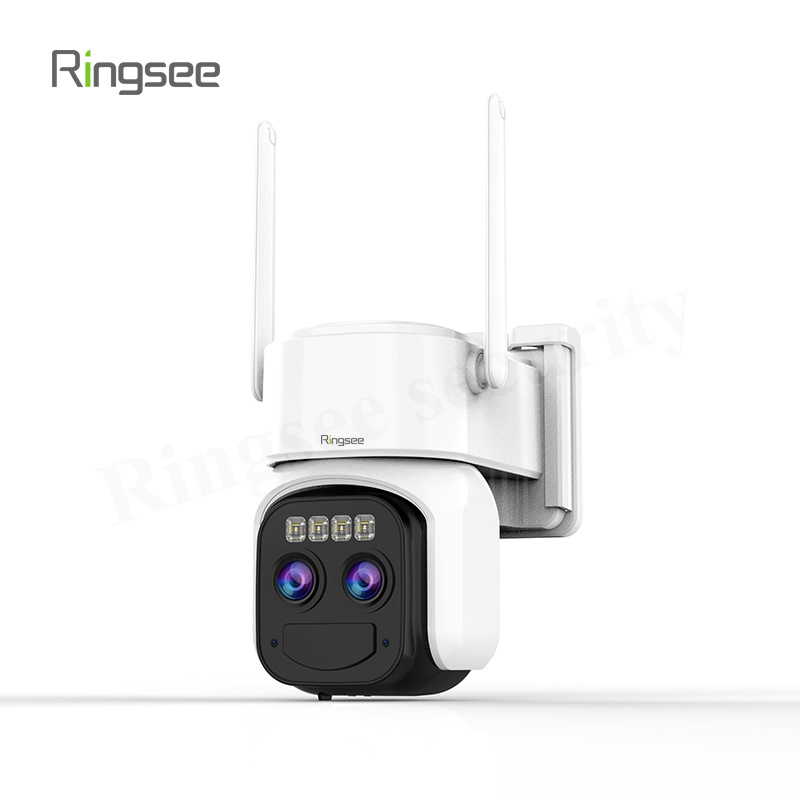
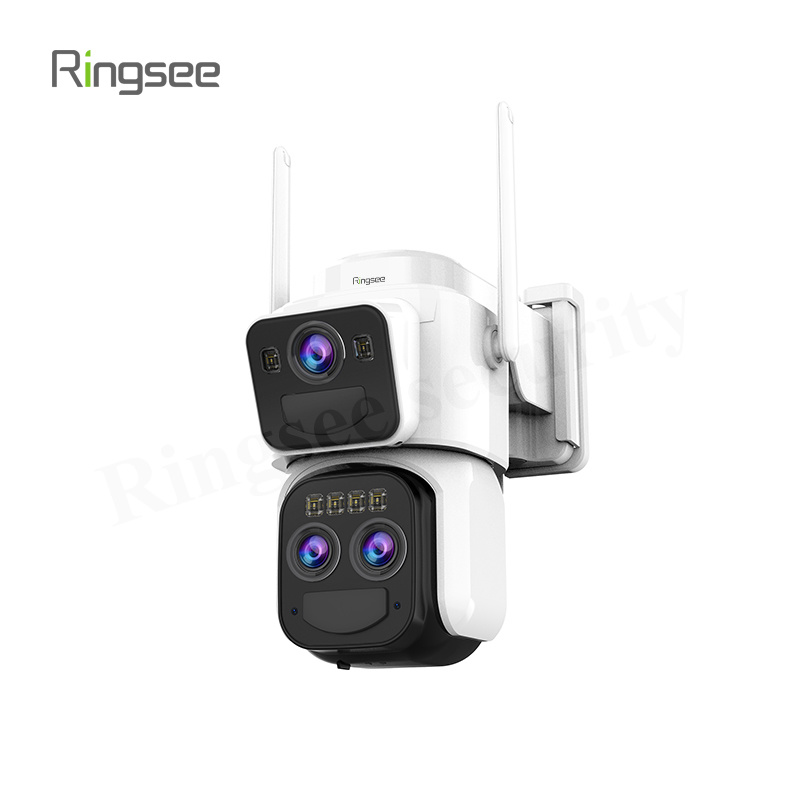
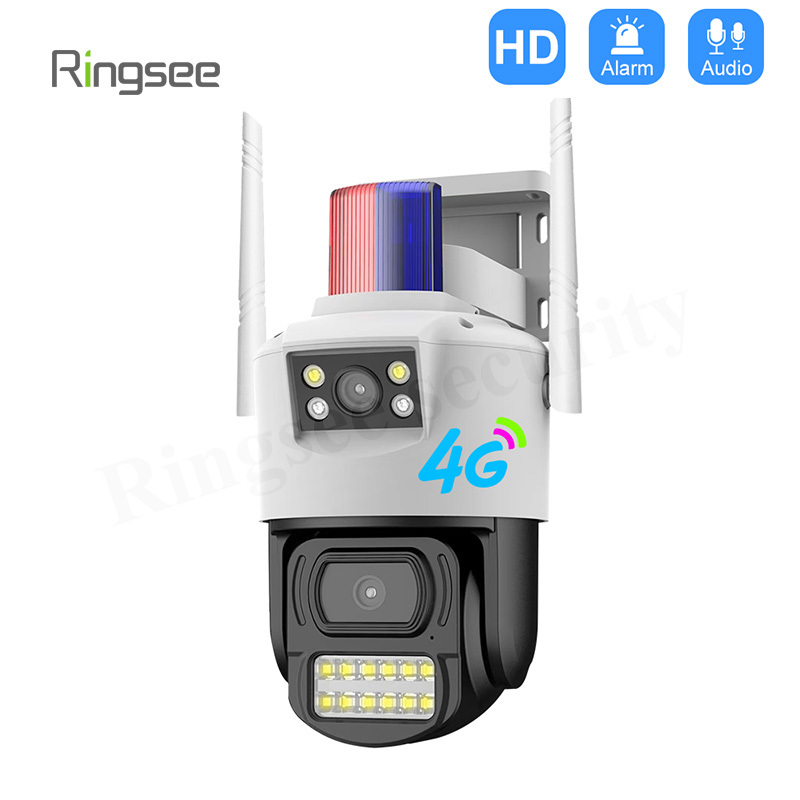
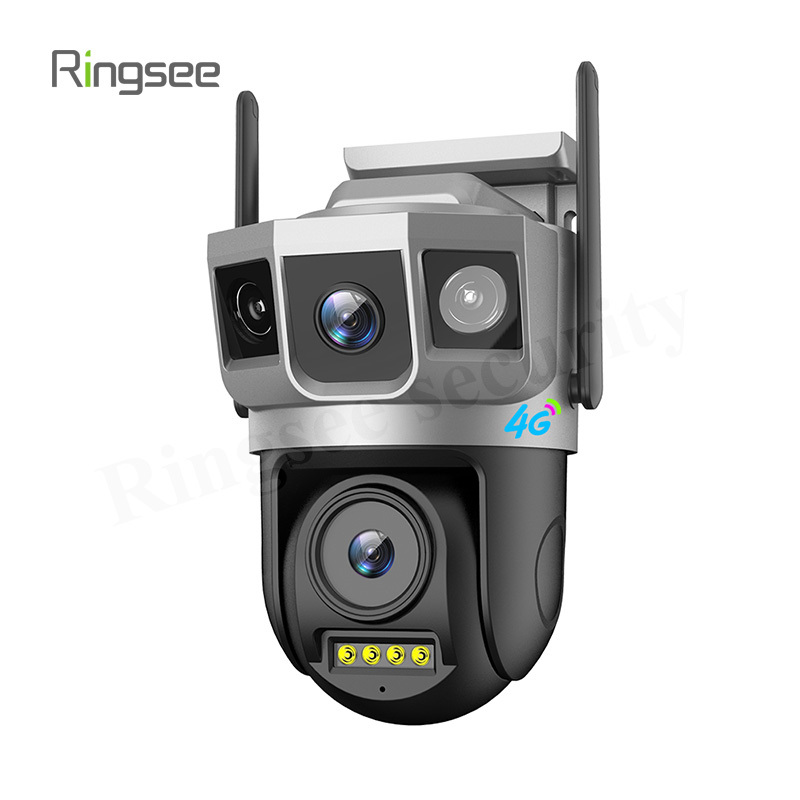
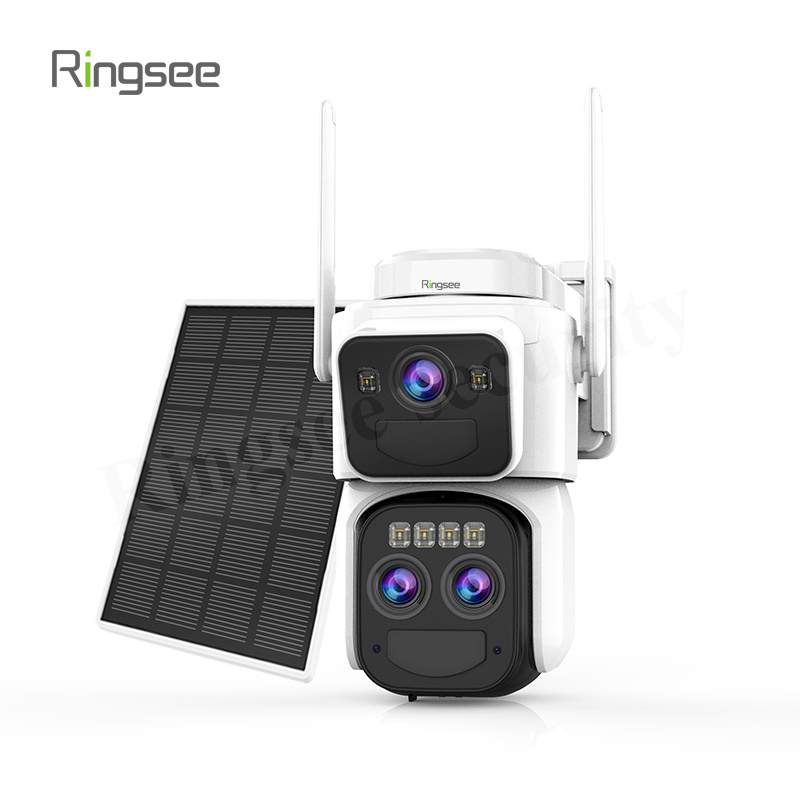
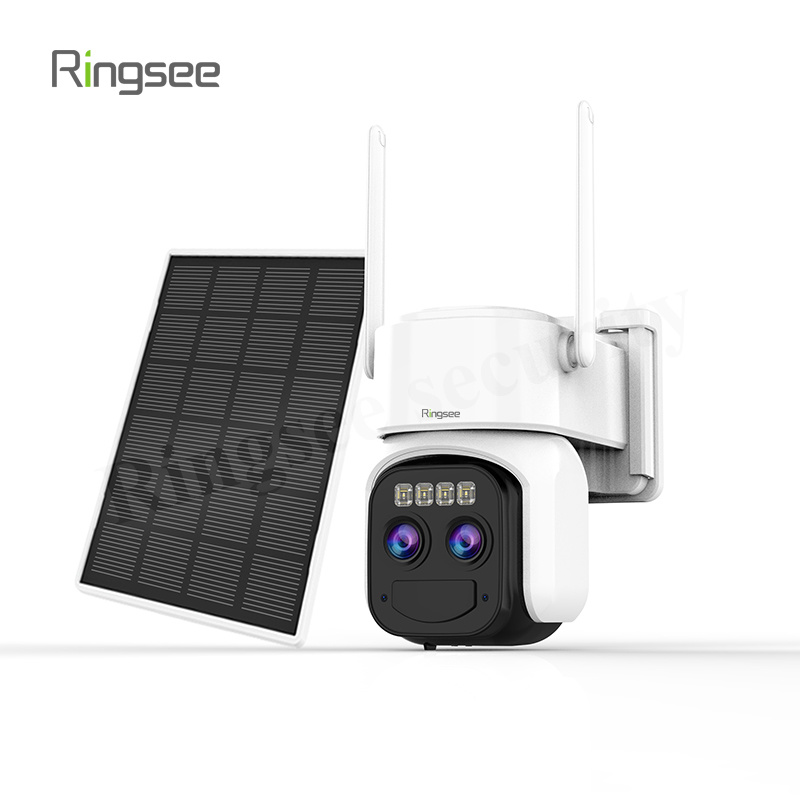
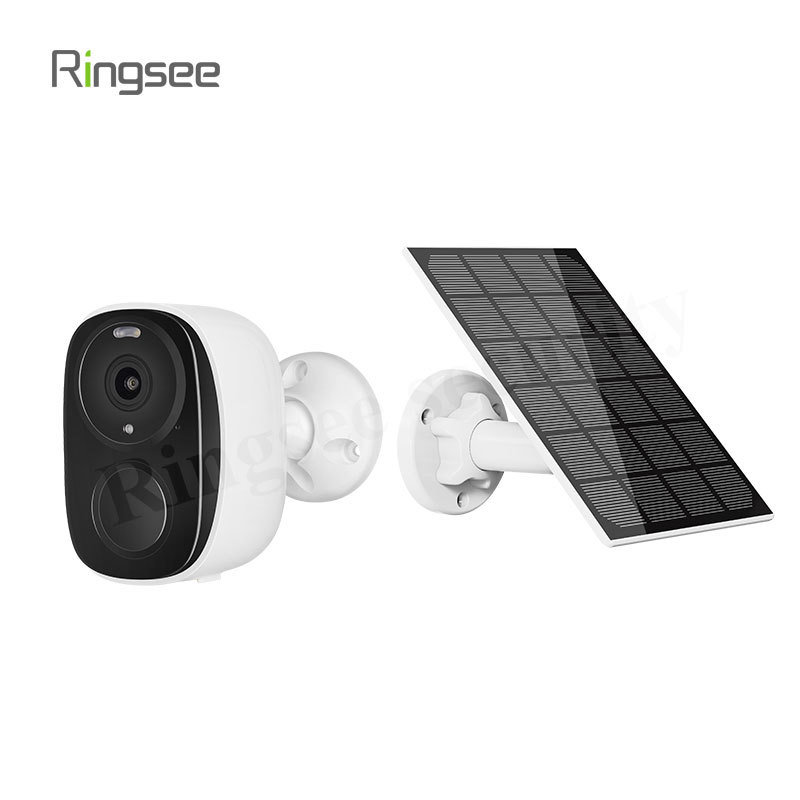
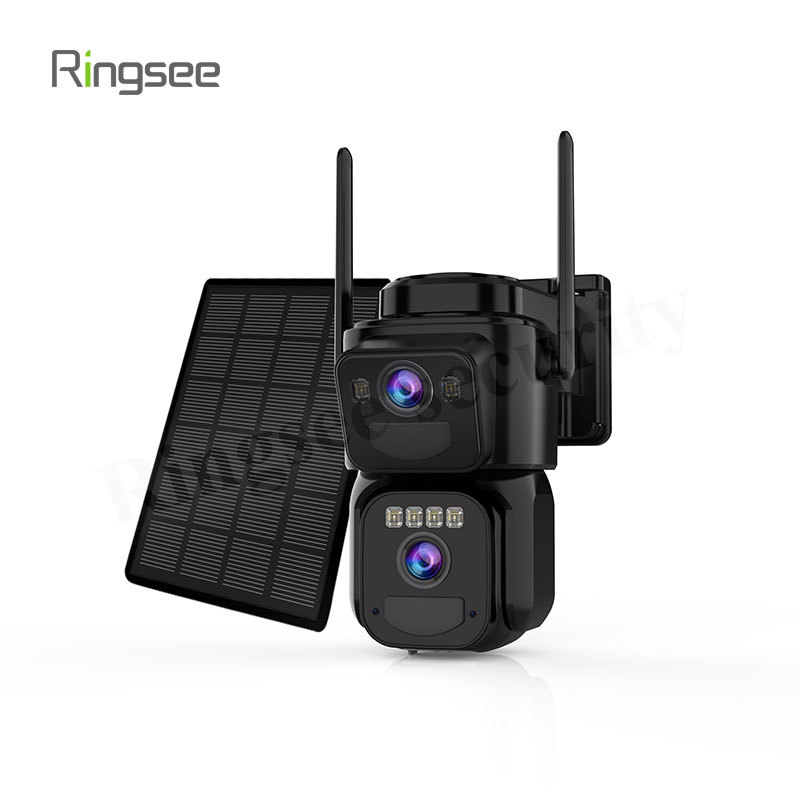
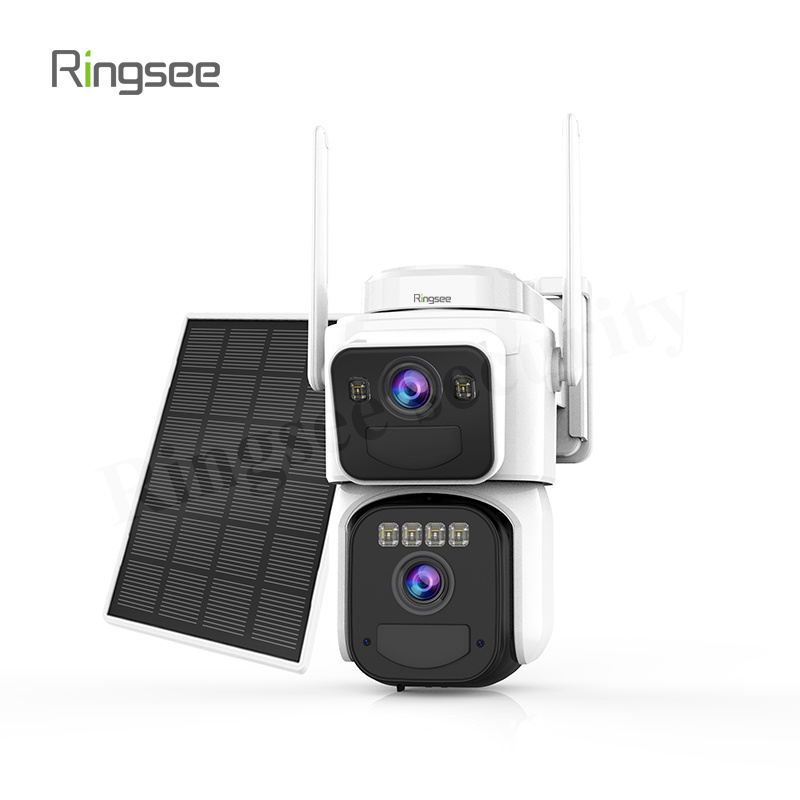
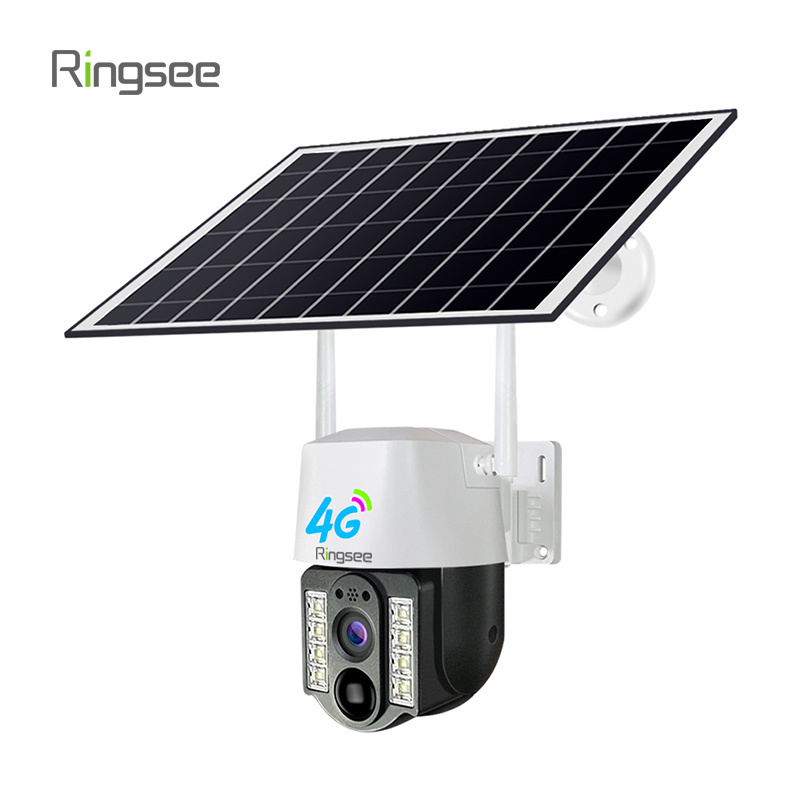
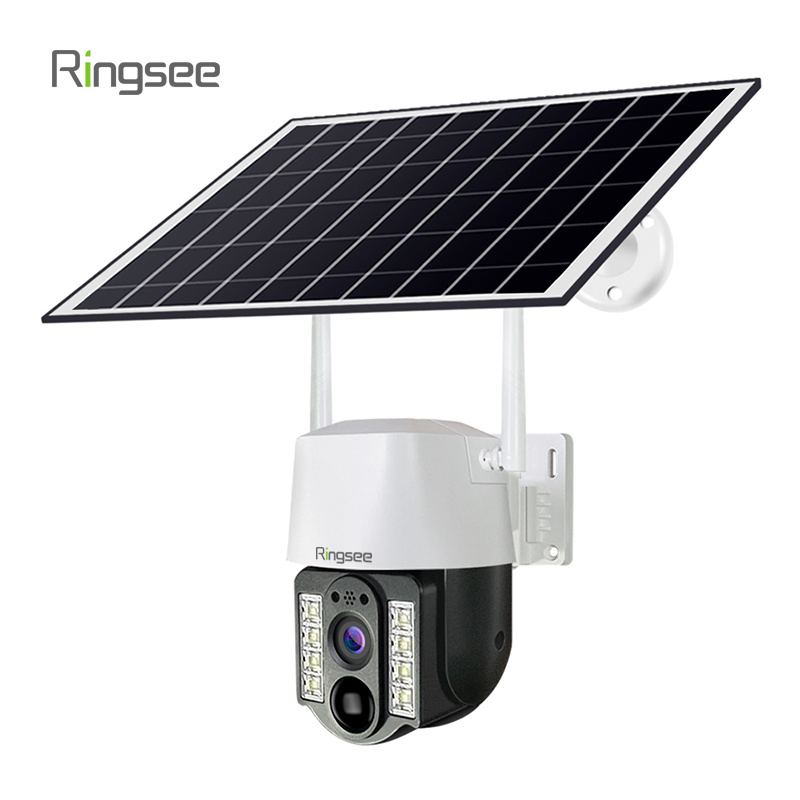
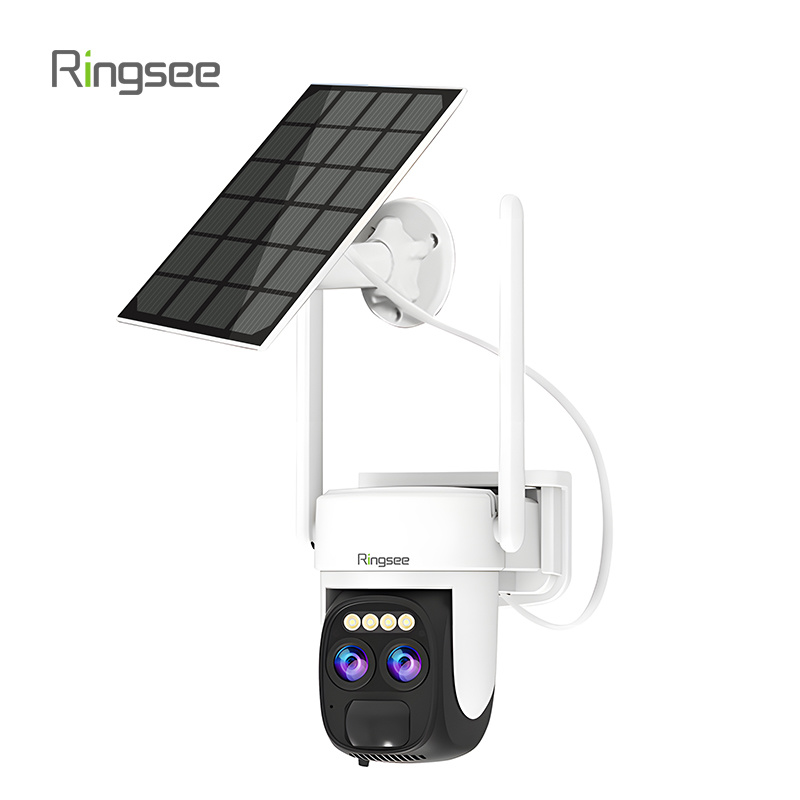
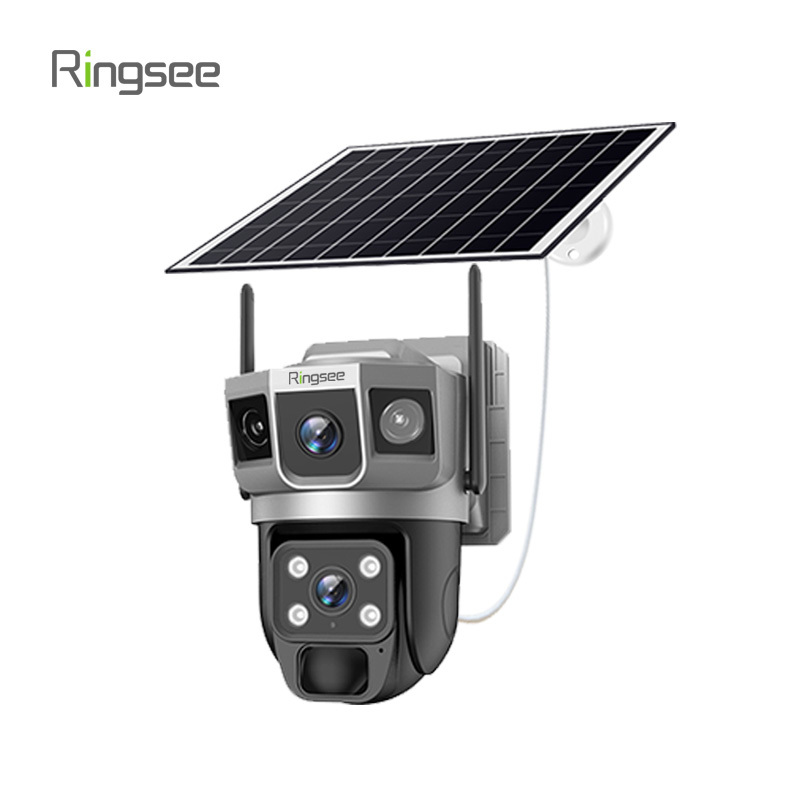
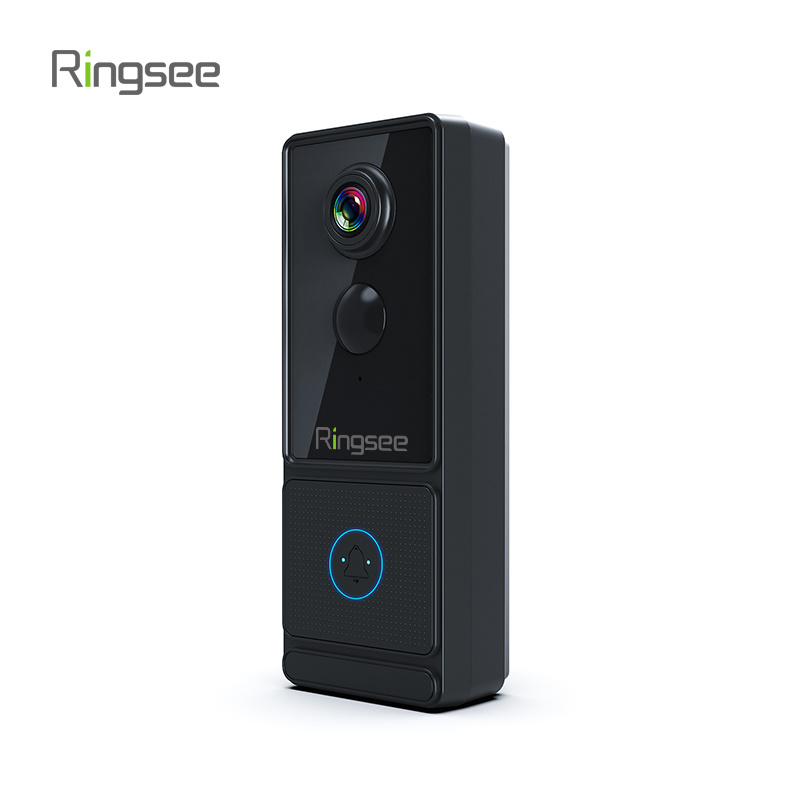
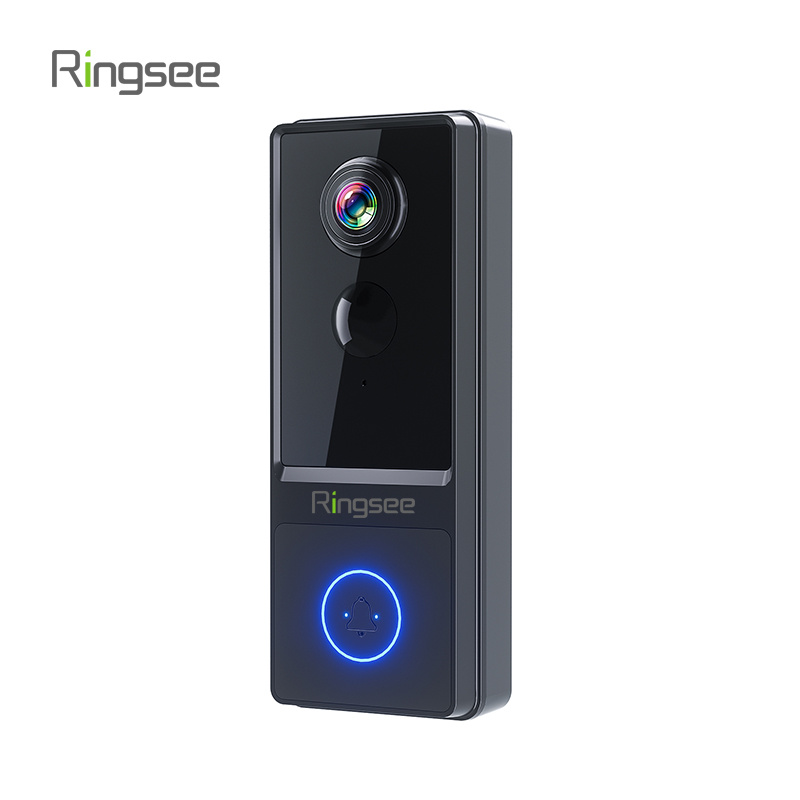
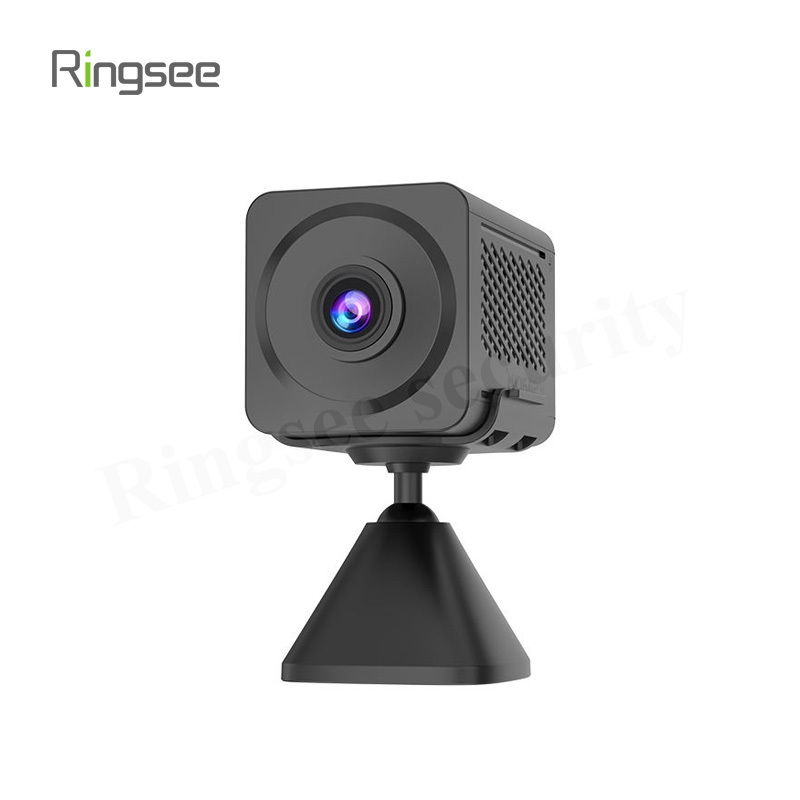
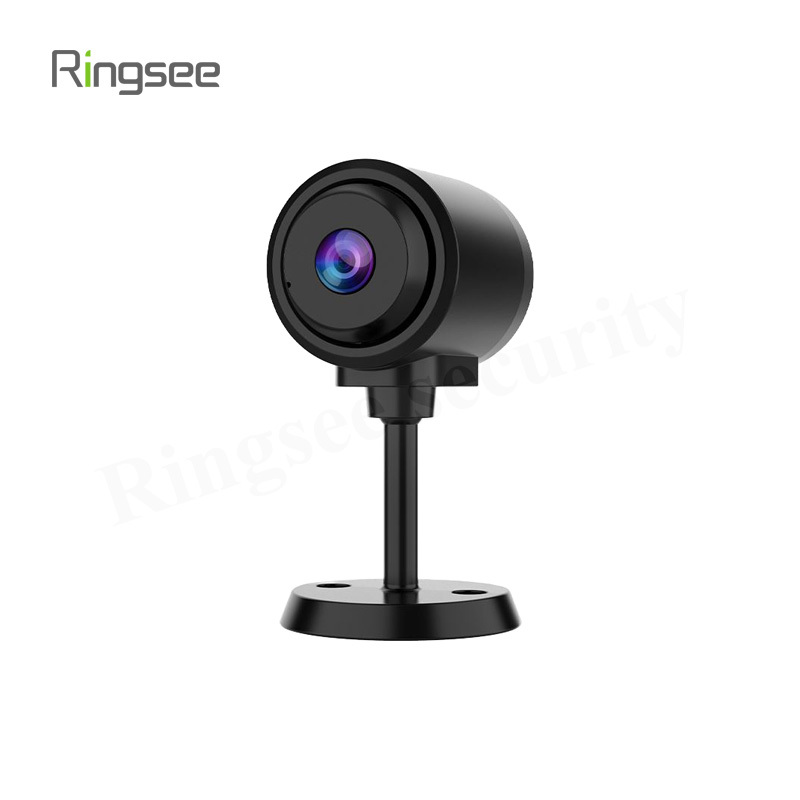
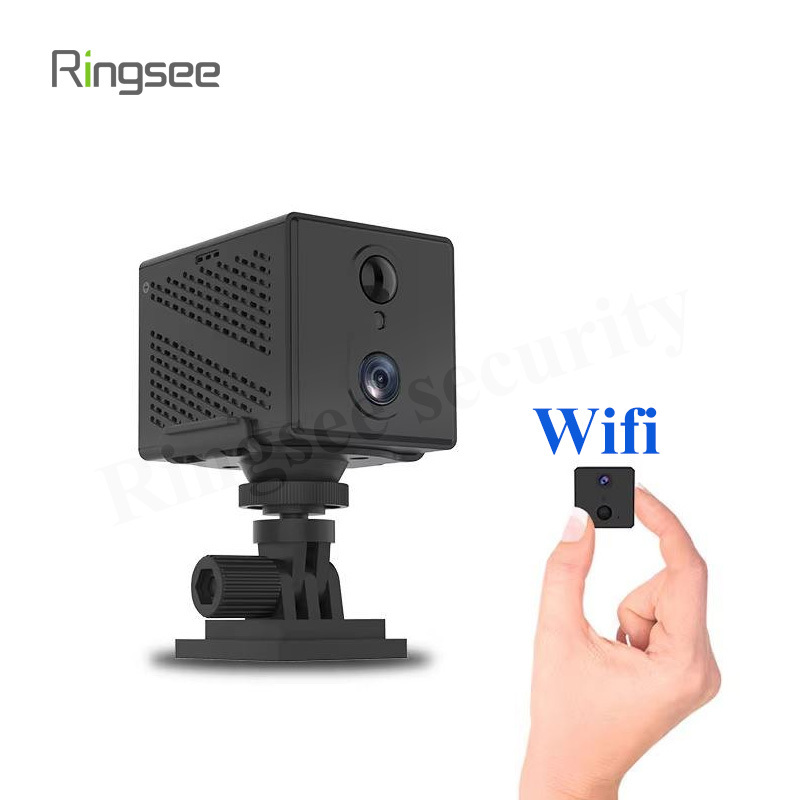
Ringsee: A leading manufacturer providing high-performance security monitoring solutions, including AOV cameras with smart features and efficient power management.
Reolink and Eufy: Brands that focus on consumer-friendly, battery-powered and cloud-connected AOV cameras.
Technological Challenges
Developing reliable AOV cameras presents several technical challenges:
Power Efficiency: Continuous operation requires innovative low-power chipsets and energy harvesting (e.g., solar panels) to minimize downtime and reduce maintenance costs.
Data Management: With 24/7 recording, efficient data compression (such as H.265 or AV1 encoding) and scalable cloud storage solutions are critical for handling massive volumes of video data.
Privacy and Security: Continuous monitoring raises data privacy concerns, mandating robust encryption and secure transmission protocols to protect sensitive footage.
AI Accuracy: Optimizing AI algorithms to accurately distinguish between genuine threats and false triggers remains a major focus, especially in dynamic environments.
Future Applications
The evolution of AOV technology is expanding its use beyond traditional security:
Smart Cities: Integration with IoT and 5G networks enables real-time monitoring for traffic control, public safety, and infrastructure management.
Retail and Commercial Environments: Enhanced analytics can be used for customer behavior analysis, inventory management, and loss prevention.
Industrial Monitoring: Continuous surveillance helps in monitoring production lines, ensuring safety compliance, and detecting anomalies in industrial processes.
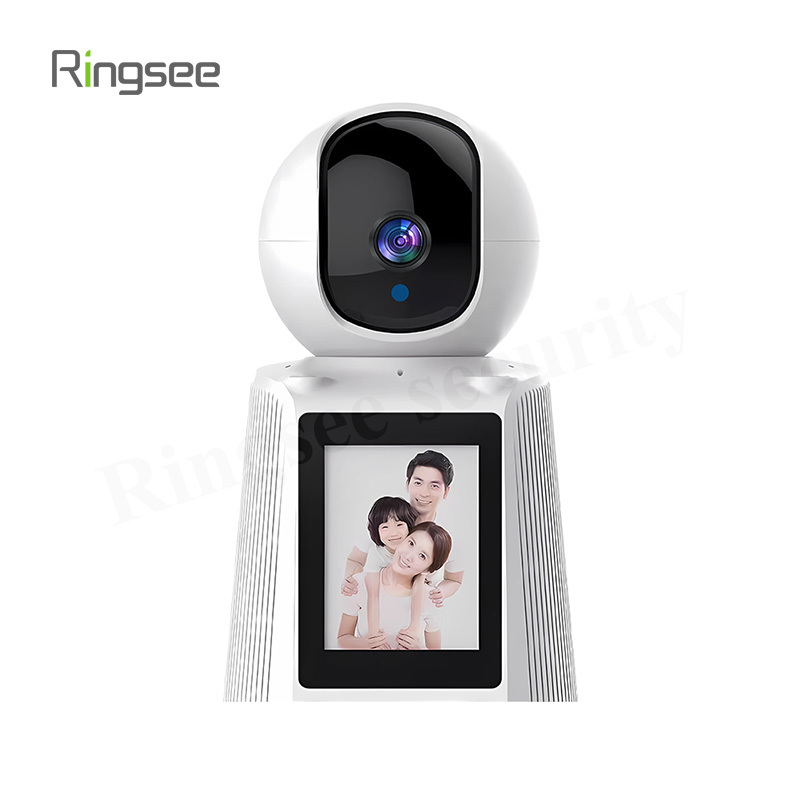
Healthcare and Elderly Care: AOV cameras can be used to monitor patients and seniors, detecting falls or other emergencies in real time.
Automotive and Transportation: Future applications include integration into advanced driver-assistance systems (ADAS) and onboard security for public transport vehicles.

Conclusion
The AOV security camera industry stands at the intersection of advanced imaging technology, AI-driven analytics, and sustainable power solutions. With continuous recording capability and energy-efficient designs, AOV cameras offer unparalleled monitoring benefits that are increasingly vital in a connected, security-conscious world. As market demand grows—with the overall video surveillance market projected to reach over USD 147.66 billion by 2030—the AOV segment is expected to secure a significant share, driven by its unique advantages in providing round-the-clock, reliable surveillance.
Related News
PoE was power. This is control: CCTV Network Security Hardening Guide
Short answer: video systems get breached the boring way, not through clever exploits - (1) factory default credentials never changed, (2) camera or NVR management ports forwarded to the public internet, (3) no separation between the CCTV network and the office LAN. Do three things: replace every default account and disableTelnet/FTP/UPnP/raw RTSP; put cameras in their own VLAN and only allow the NVR to initiate sessions; and reach video over VPN or a zero-trust gateway instead of a port mapping.
Oct 03,2026
PoE Power Design Guide for Security Cameras: Power Budget, Cable Voltage Drop and Distance Limits
Most "cameras keep restarting at night" incidents are not camera defects — they are power design errors. Three root causes cover the overwhelming majority of PoE failures: the power budget was sized on daytime draw instead of night peak, the cable is too thin so voltage drop exceeds the device undervoltage threshold, and the run simply exceeds the 100-metre channel limit. Memorise three numbers and you avoid most of the traps: 802.3af delivers 15.4 W, 802.3at delivers 30 W, and cable reach stops at 100 m.
Oct 03,2026
Bitrate (Mbps) is the single parameter that determines hard drive size, switch selection, and remote-viewing smoothness. Two formulas answer everything: storage per camera per day (GB) ≈ bitrate × 10.8, and total bandwidth = sum of simultaneous bitrates × 1.3 headroom. This guide covers encoding, calculation, and procurement sizing.
Sep 26,2026
CCTV Night Vision Technology Explained: Infrared vs Starlight Full-Color vs Hybrid Light
Three night vision routes and their real limits: 850nm vs 940nm infrared (red glow and range trade-offs), the lux threshold of true starlight cameras (0.001-0.005 lux), light-pollution risks of warm-light supplement, and AI-triggered hybrid switching — plus a six-point datasheet verification method and a 20-minute night PoC test.
Sep 26,2026
CCTV Lens Selection Technical Guide: Focal Length, Pixel Density & the DORI Standard in Practice
Why can't a 4K camera read faces? Because identification depends on pixel density, not total pixels. Using the EN 62676-4 DORI standard, this guide gives the full focal-length / distance / field-of-view formulas, a lens selection lookup table, and the real impact of sensor size and aperture on night vision.
Sep 19,2026
Links:One Belt Power Technology
Add: 14th Floor, Baoshan Building, Longhua District, Shenzhen China.
Privacy Policy | SEO | CitySite | Support: 300.cn Dongguan