
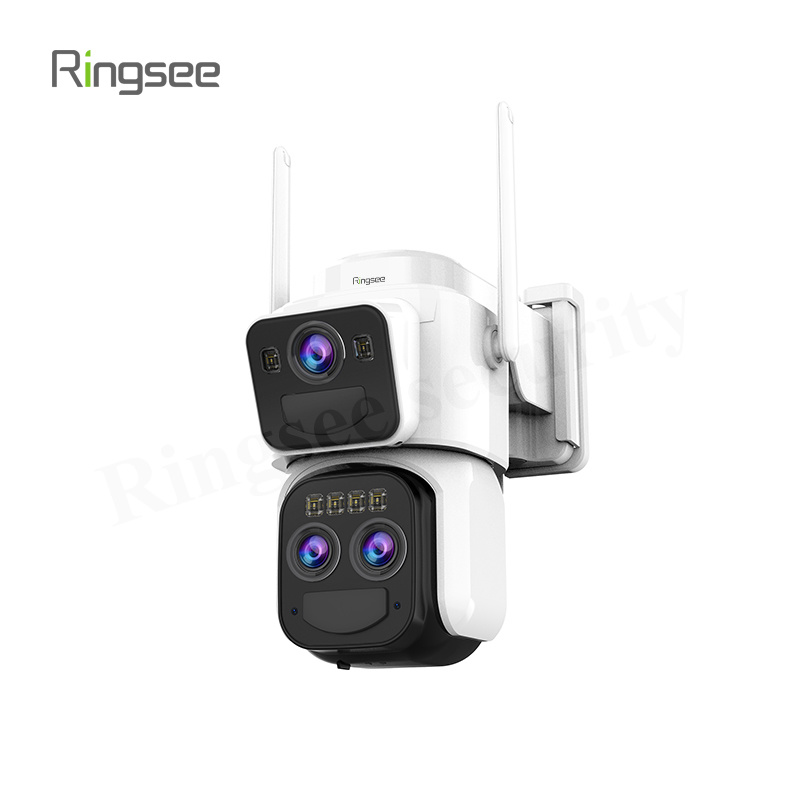
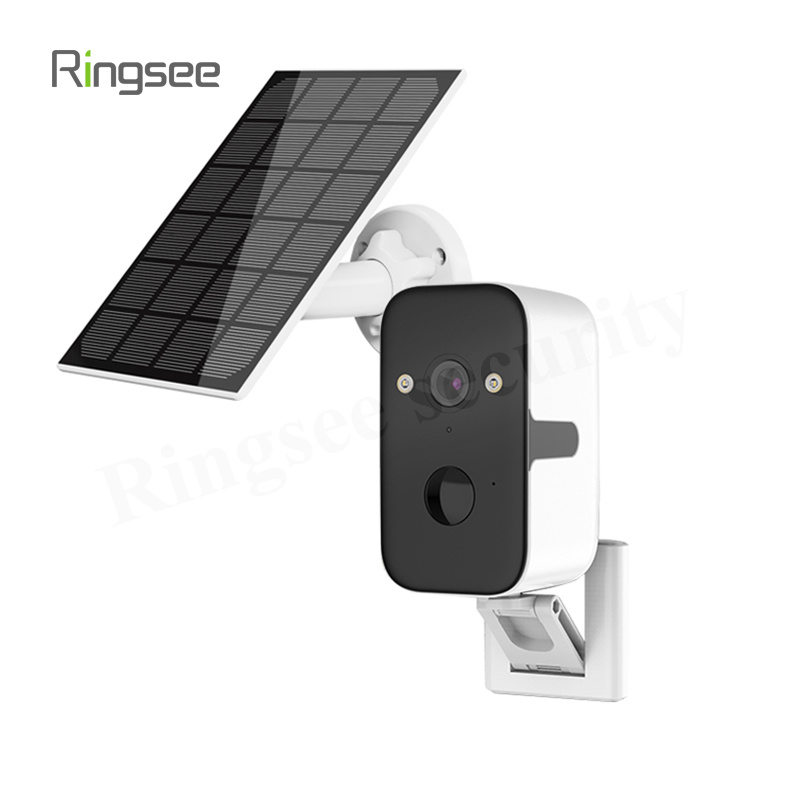
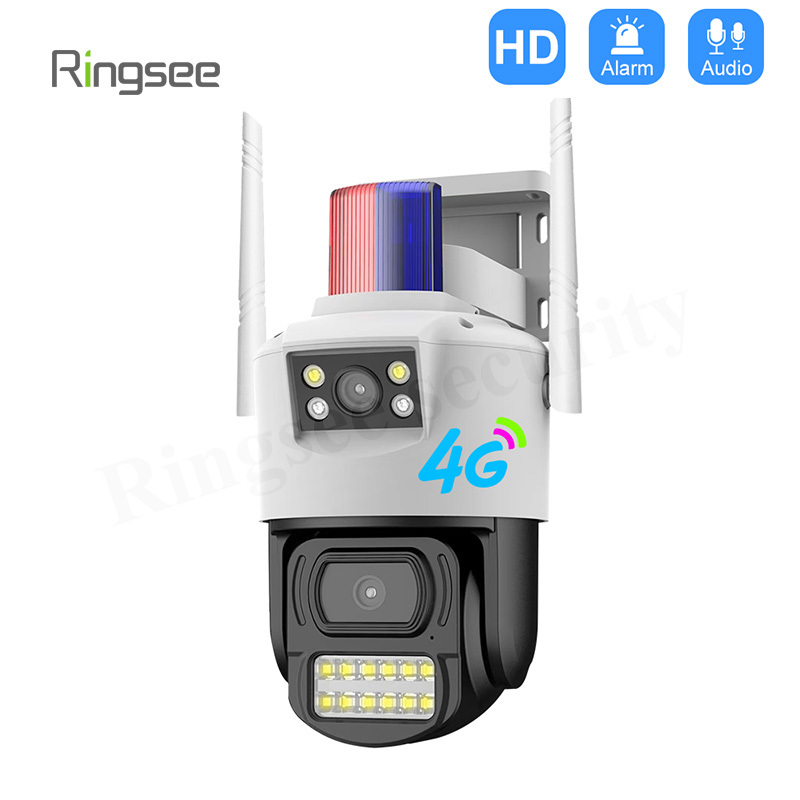
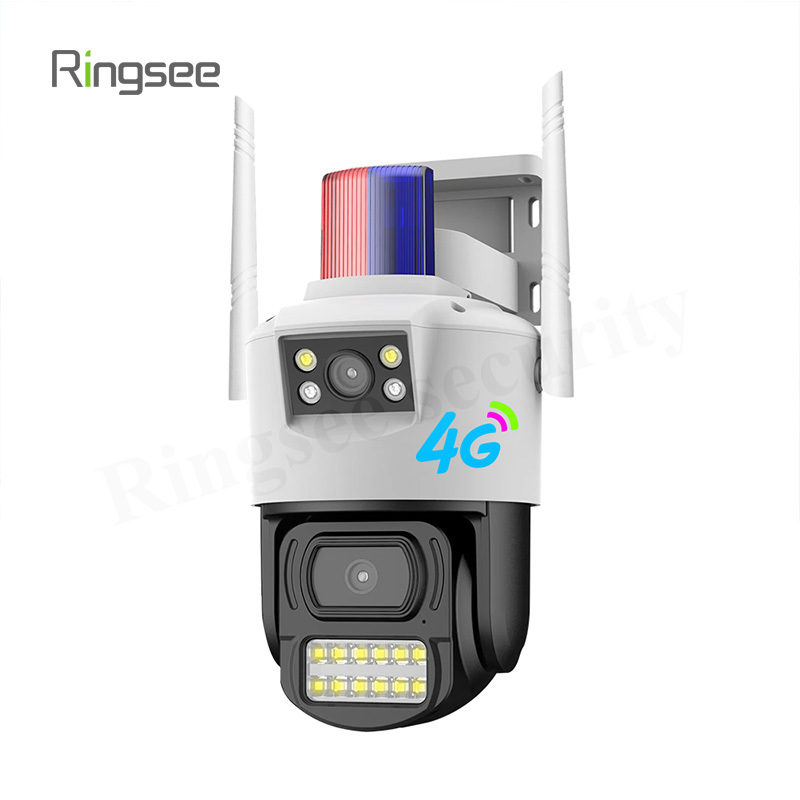





Why 4G Solar Cameras Are Becoming Essential for Modern Farms?
Publish:
2025-10-27 10:28
Source:
https://www.ring-see.com
Discover how 4G solar security cameras are transforming modern farms. Learn why more farmers choose Ringsee’s solar-powered 4G surveillance solutions for reliable, eco-friendly, and 24/7 protection without WiFi or electricity.
In today’s era of smart agriculture, technology is reshaping how farmers protect and manage their land. Among the most practical innovations is the 4G solar security camera — a solution designed specifically for large, remote, and WiFi-free farming environments. As a professional manufacturer, Ringsee has seen a rapid increase in demand for solar-powered surveillance cameras, especially from farmers who value reliability, autonomy, and low maintenance.
Why 4G Solar Cameras Are Increasingly Important to Farms
Traditional wired CCTV systems depend on stable electricity and internet access — two things that are often limited or unavailable on rural farmland. Farmers have long faced the challenge of securing wide areas, protecting valuable equipment, and monitoring livestock without the infrastructure found in urban settings.
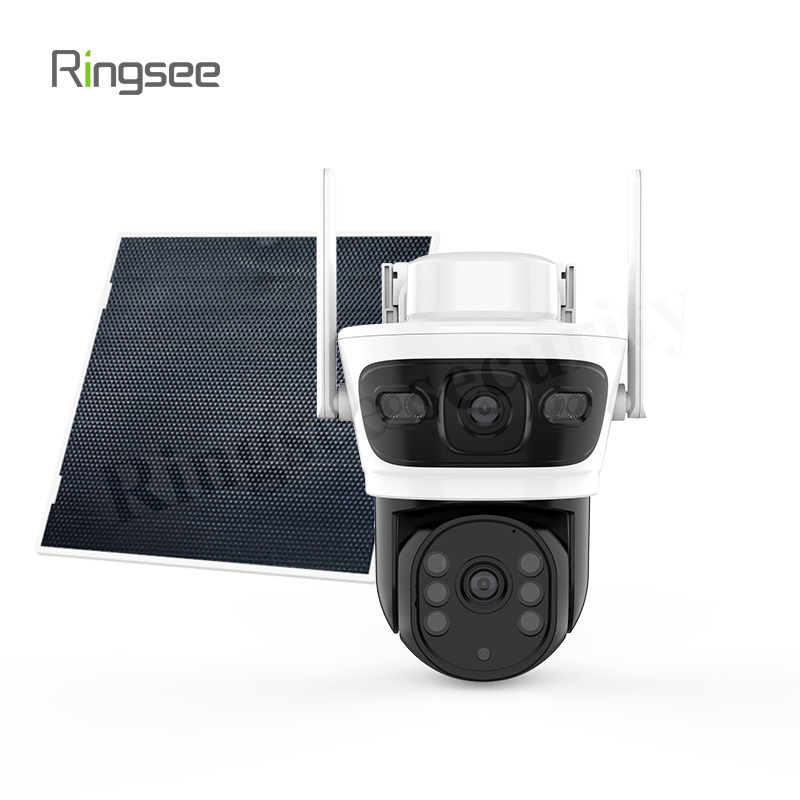
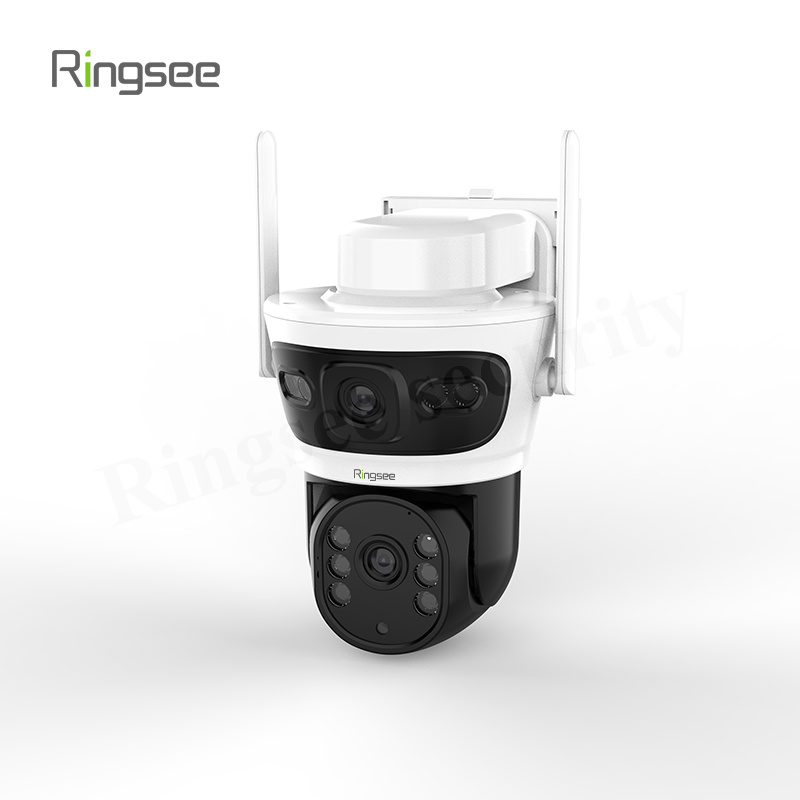
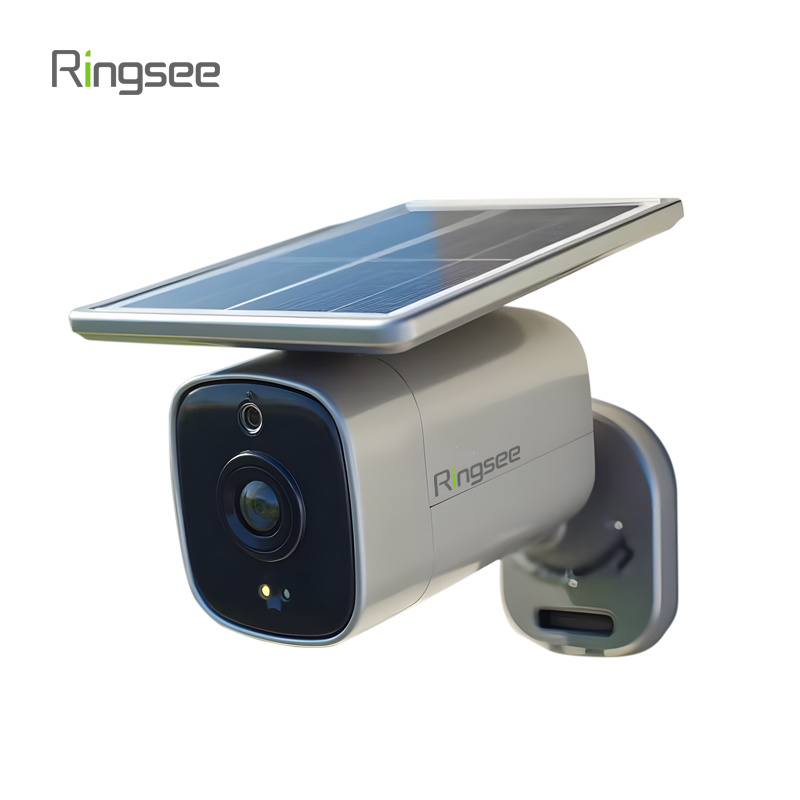
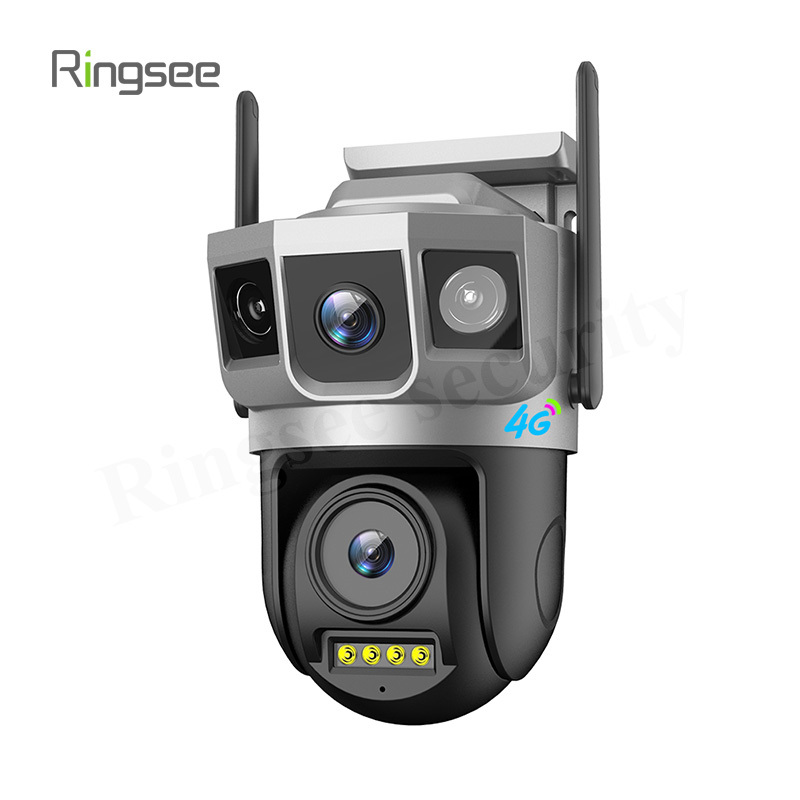
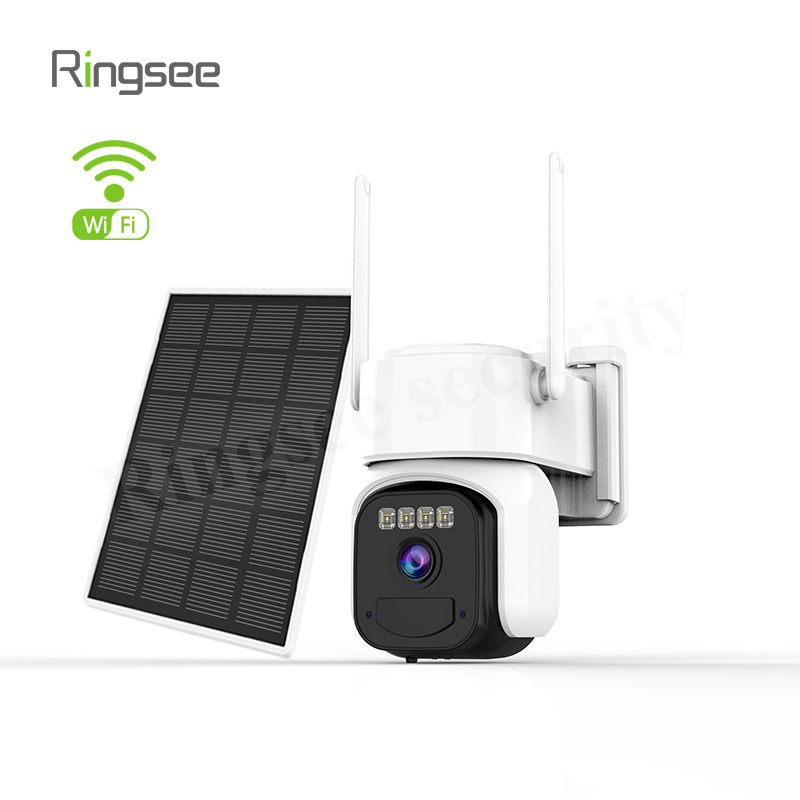
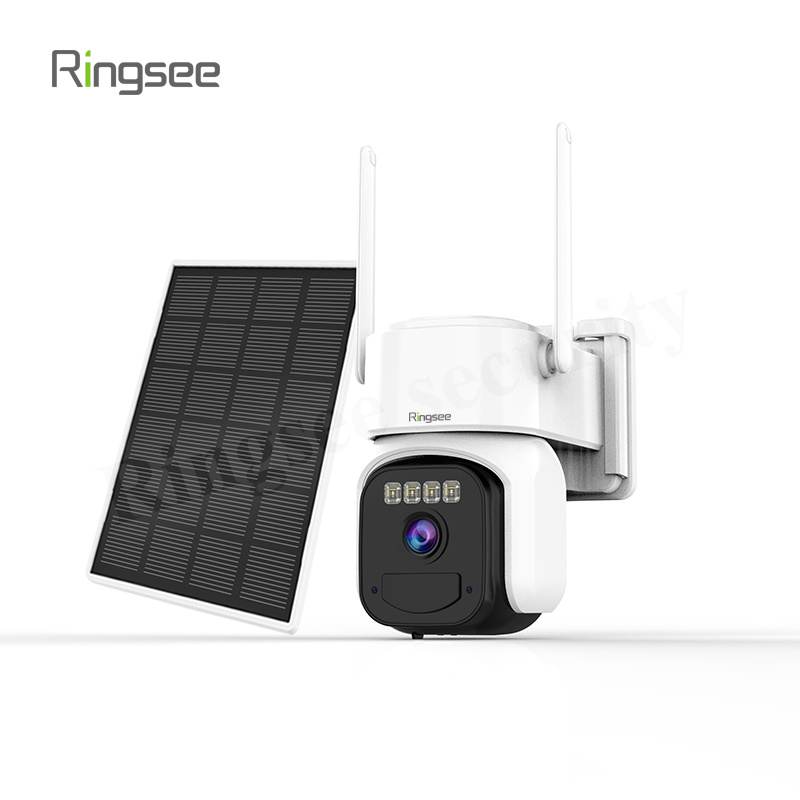
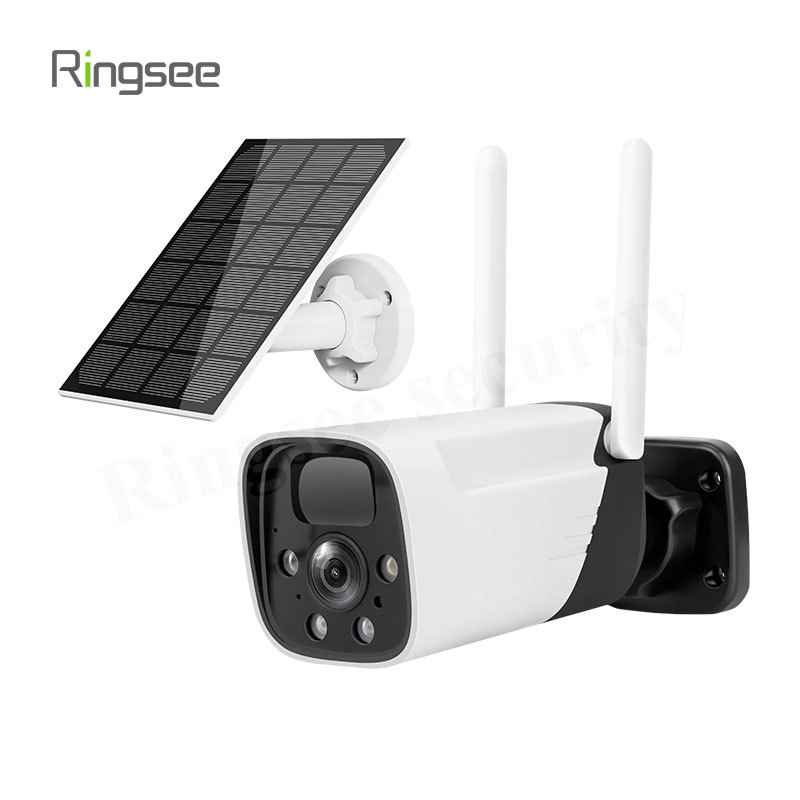
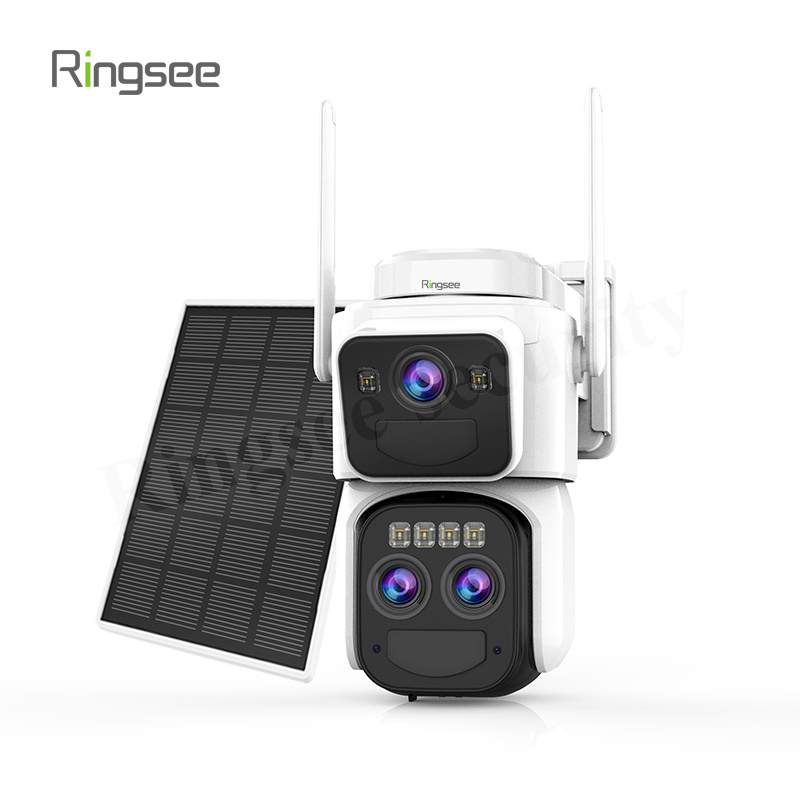
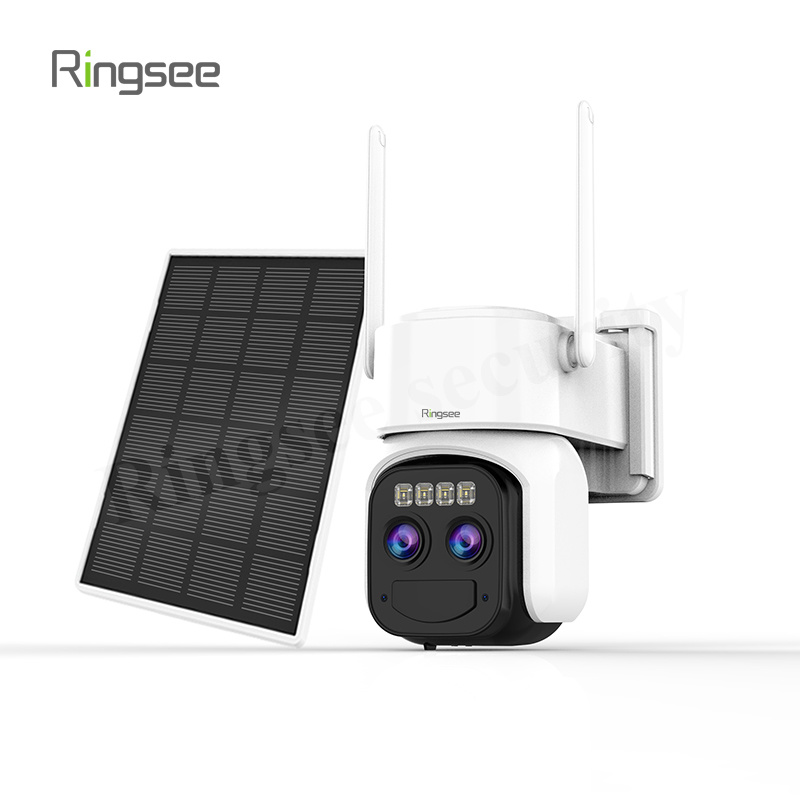
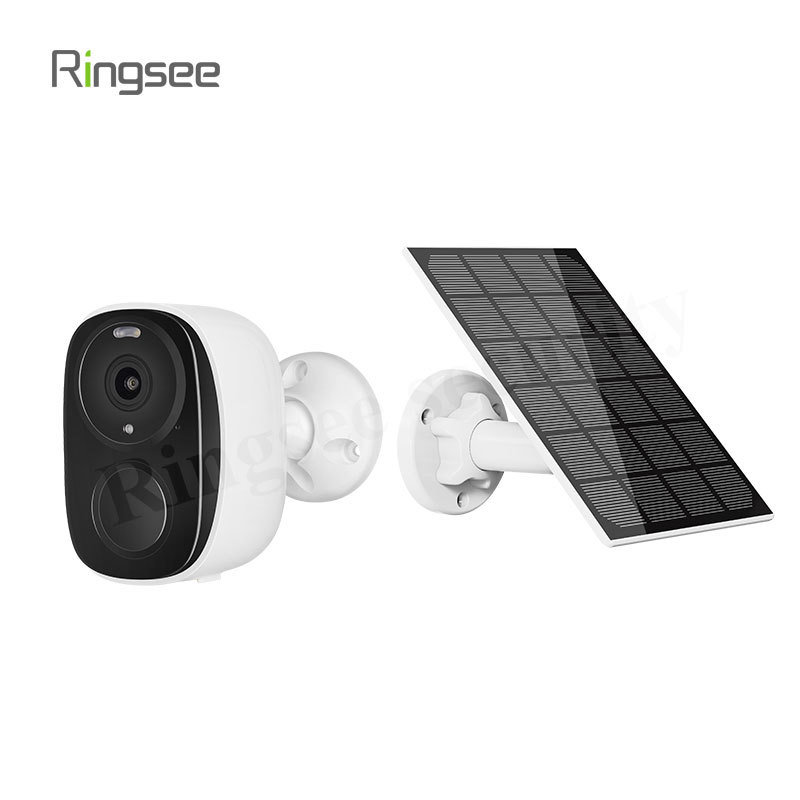
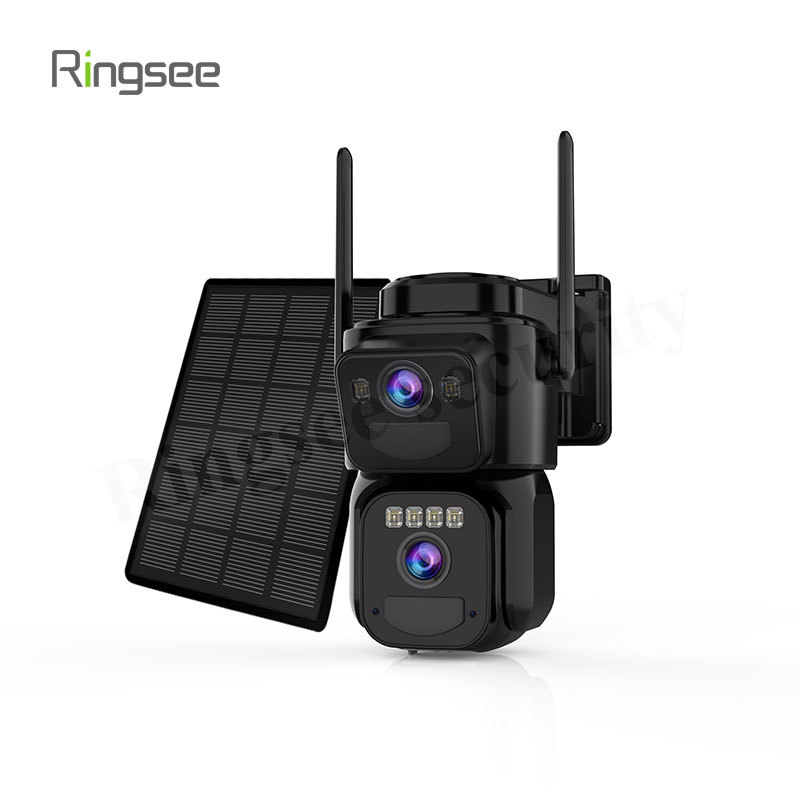
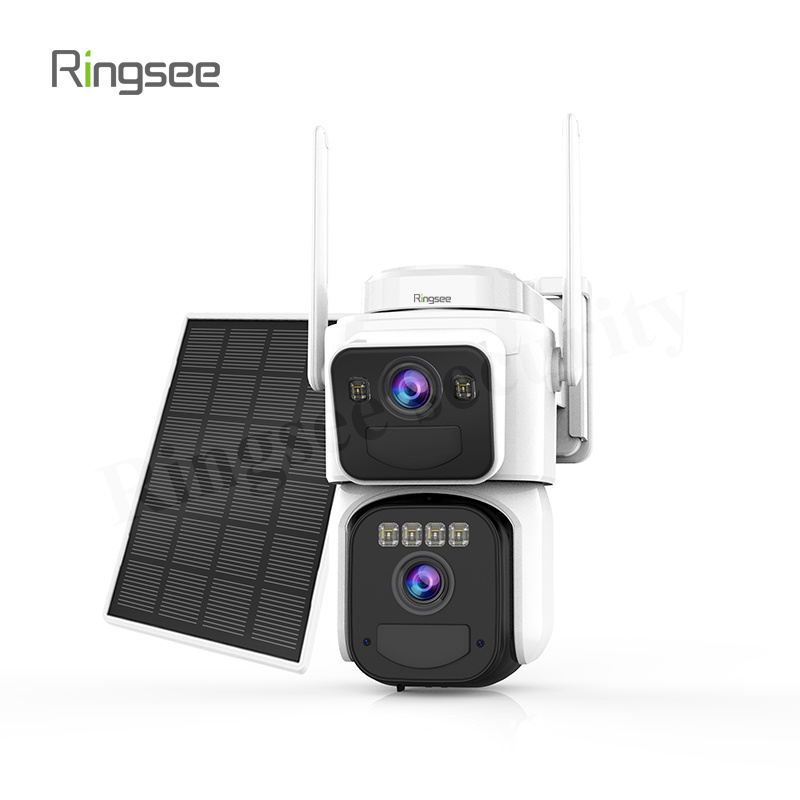
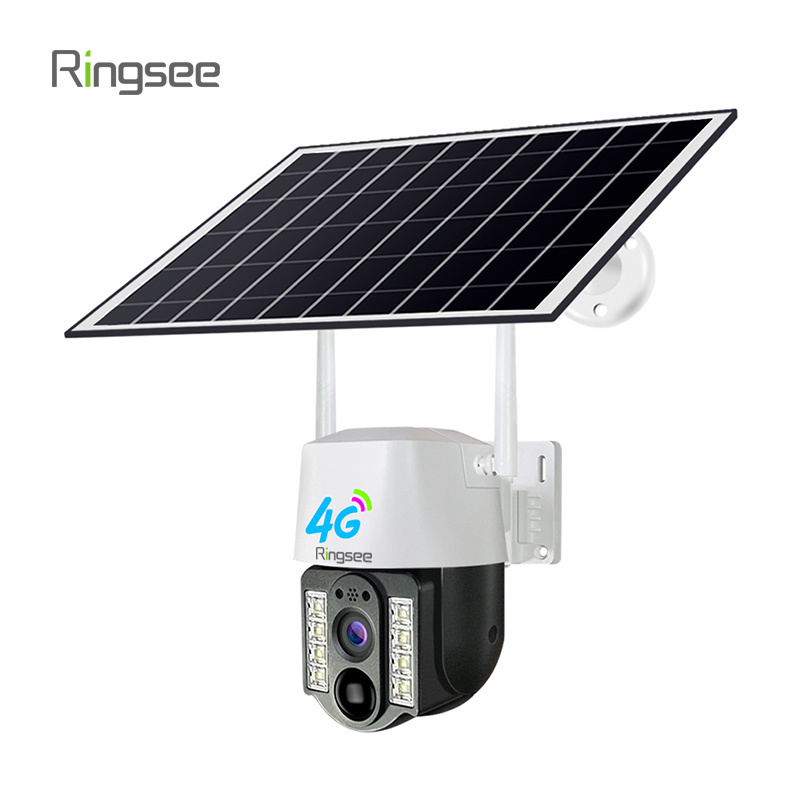
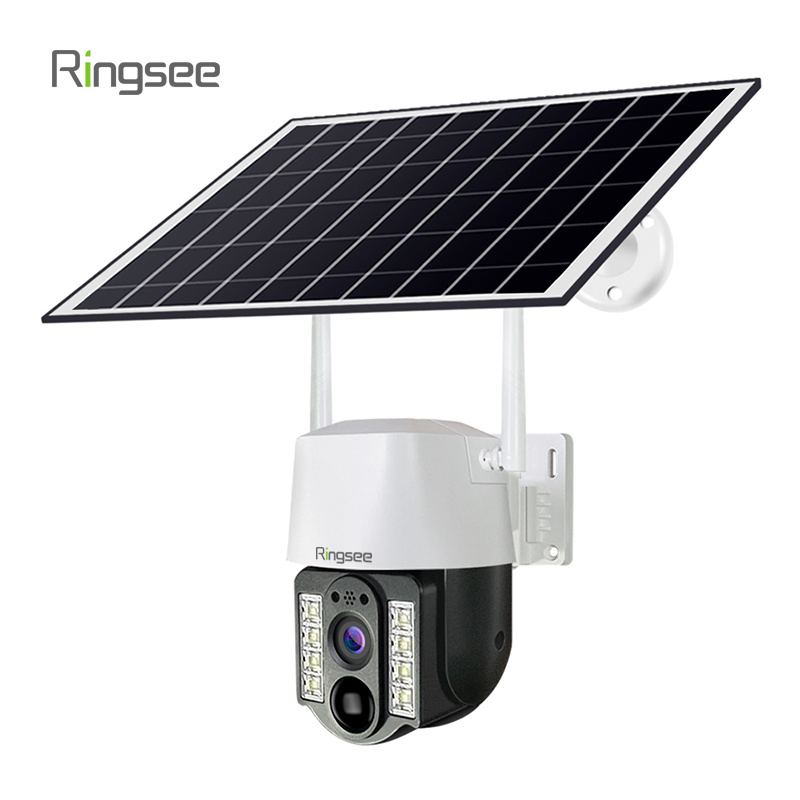
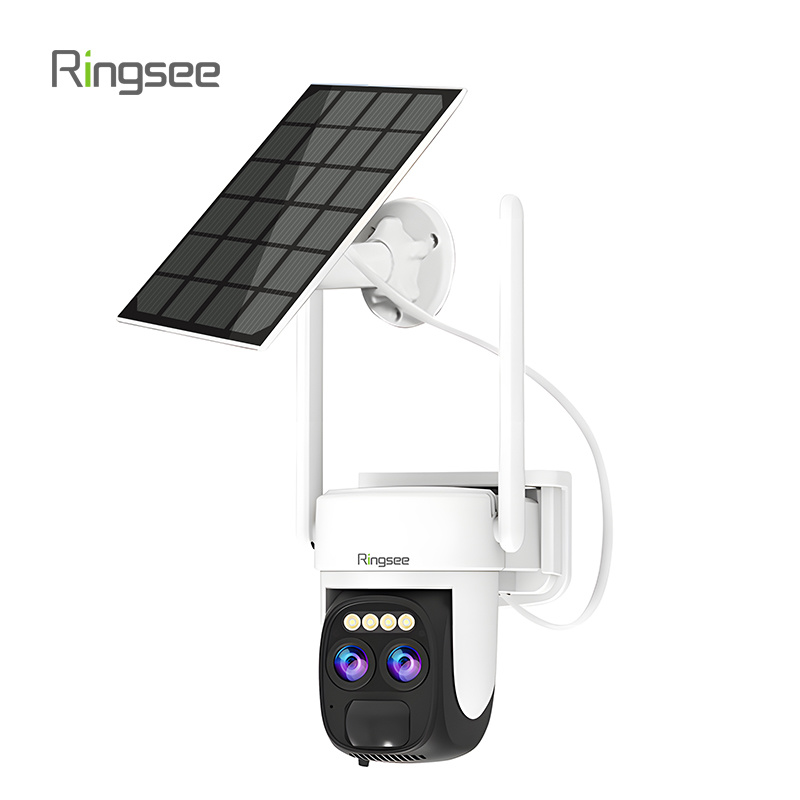
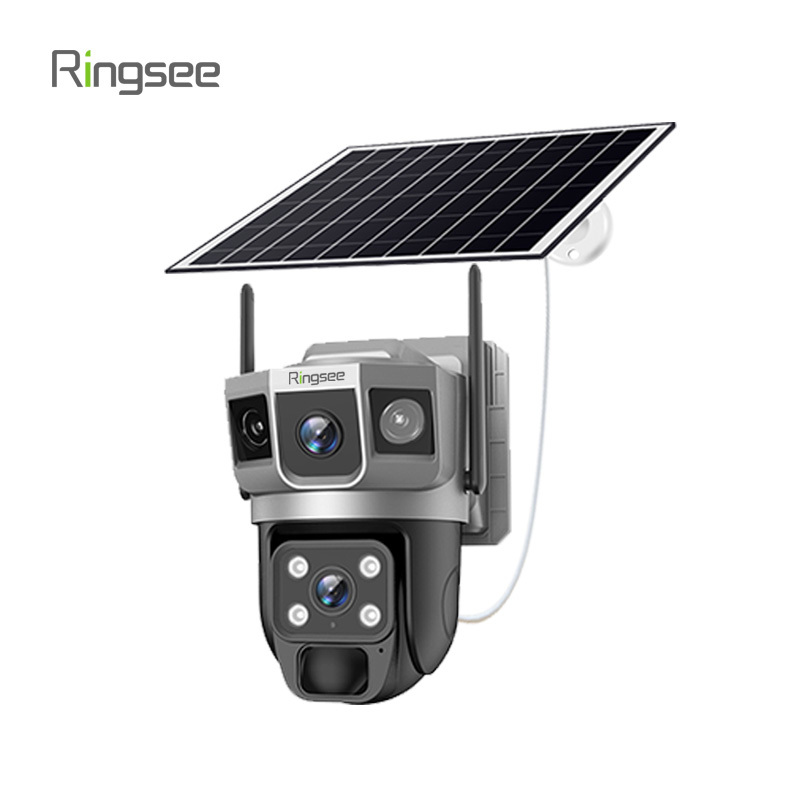
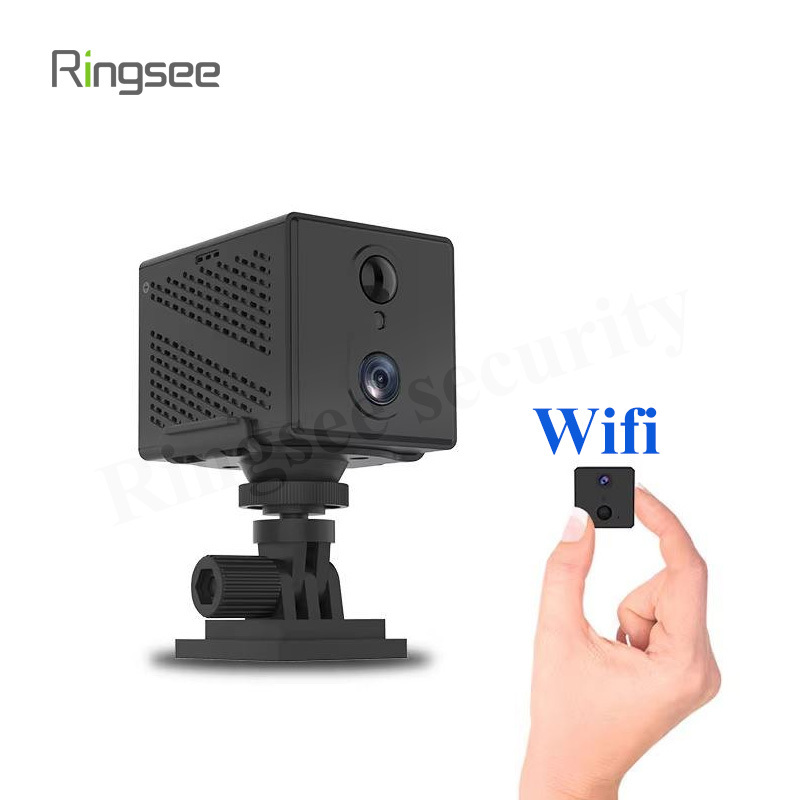
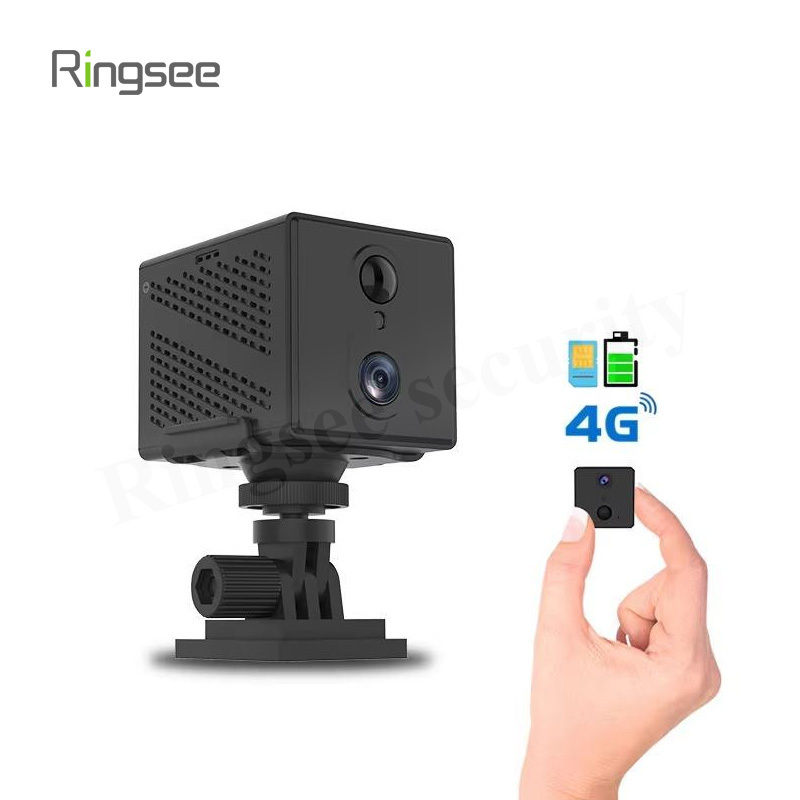
This is where 4G solar cameras for farms have become essential. By combining solar energy with 4G cellular connectivity, these cameras operate completely independently of the grid or WiFi networks. They can be placed anywhere — in open fields, near barns, or along fences — providing continuous surveillance even in the most remote agricultural zones.
With rising theft risks, unpredictable weather, and high labor costs, farmers increasingly recognize that smart, self-sustaining security systems are no longer optional — they’re vital for protecting livelihoods.

What Makes Farmers Choose 4G Solar Security Cameras
Farmers are turning to 4G solar surveillance cameras because they deliver reliable monitoring under tough conditions. These systems don’t rely on fixed wiring or power lines, meaning they can be installed quickly and repositioned as needed.

The combination of solar panels and built-in batteries ensures that the cameras run around the clock, even during cloudy days. The 4G network connection allows real-time video access from smartphones or computers, so farmers can check on livestock, machinery, or property anywhere, anytime.
From preventing equipment theft to monitoring crop fields or livestock pens, these solar-powered farm surveillance cameras provide peace of mind with minimal effort.
Key Benefits of Using 4G Solar Cameras on Farms
Easy Installation and Low Maintenance
Unlike traditional surveillance systems that require long power cables and routers, wireless solar cameras for remote farm areas can be installed in minutes. Simply mount, connect, and power on — no technician needed. Their durable, weatherproof design also minimizes maintenance costs, even in harsh outdoor conditions.
Real-Time Remote Monitoring via Mobile App
Farmers can monitor live feeds, receive motion alerts, and replay footage directly through mobile apps. Whether you’re in the farmhouse or miles away, the 4G solar camera for farm keeps you connected to what matters most. Some Ringsee models also support cloud or SD card storage, ensuring secure access to recorded videos.
Energy Efficiency and Sustainability
Low-power design combined with solar charging not only reduces electricity consumption but also aligns with sustainable farming practices. Over time, these systems lower operational costs and contribute to greener agricultural management — an increasingly important goal for modern farms.
Enhanced Security and Smart Detection
Advanced AI recognition and motion detection features help identify people, vehicles, and animals accurately, reducing false alarms. Infrared night vision and two-way audio allow farmers to respond instantly — whether it’s deterring intruders or guiding workers remotely.
Ringsee’s 4G solar camera series incorporates intelligent alerts and stable 4G transmission, ensuring real-time protection across large properties.
The Future of Smart Farm Surveillance
The rise of smart farming and IoT integration is pushing surveillance beyond simple video recording. 4G solar cameras now serve as part of a broader ecosystem — collecting data, recognizing activities, and even integrating with smart irrigation or livestock management systems.
As a leading manufacturer and supplier, Ringsee continues to refine its low-power solar camera technology, focusing on energy efficiency, intelligent detection, and seamless mobile connectivity. These innovations help farmers transition from passive observation to proactive management.
The future of agriculture will be connected, sustainable, and data-driven — and 4G solar cameras are at the heart of this transformation.
Related News
PoE was power. This is control: CCTV Network Security Hardening Guide
Short answer: video systems get breached the boring way, not through clever exploits - (1) factory default credentials never changed, (2) camera or NVR management ports forwarded to the public internet, (3) no separation between the CCTV network and the office LAN. Do three things: replace every default account and disableTelnet/FTP/UPnP/raw RTSP; put cameras in their own VLAN and only allow the NVR to initiate sessions; and reach video over VPN or a zero-trust gateway instead of a port mapping.
Oct 03,2026
PoE Power Design Guide for Security Cameras: Power Budget, Cable Voltage Drop and Distance Limits
Most "cameras keep restarting at night" incidents are not camera defects — they are power design errors. Three root causes cover the overwhelming majority of PoE failures: the power budget was sized on daytime draw instead of night peak, the cable is too thin so voltage drop exceeds the device undervoltage threshold, and the run simply exceeds the 100-metre channel limit. Memorise three numbers and you avoid most of the traps: 802.3af delivers 15.4 W, 802.3at delivers 30 W, and cable reach stops at 100 m.
Oct 03,2026
Bitrate (Mbps) is the single parameter that determines hard drive size, switch selection, and remote-viewing smoothness. Two formulas answer everything: storage per camera per day (GB) ≈ bitrate × 10.8, and total bandwidth = sum of simultaneous bitrates × 1.3 headroom. This guide covers encoding, calculation, and procurement sizing.
Sep 26,2026
CCTV Night Vision Technology Explained: Infrared vs Starlight Full-Color vs Hybrid Light
Three night vision routes and their real limits: 850nm vs 940nm infrared (red glow and range trade-offs), the lux threshold of true starlight cameras (0.001-0.005 lux), light-pollution risks of warm-light supplement, and AI-triggered hybrid switching — plus a six-point datasheet verification method and a 20-minute night PoC test.
Sep 26,2026
CCTV Lens Selection Technical Guide: Focal Length, Pixel Density & the DORI Standard in Practice
Why can't a 4K camera read faces? Because identification depends on pixel density, not total pixels. Using the EN 62676-4 DORI standard, this guide gives the full focal-length / distance / field-of-view formulas, a lens selection lookup table, and the real impact of sensor size and aperture on night vision.
Sep 19,2026
Links:One Belt Power Technology
Add: 14th Floor, Baoshan Building, Longhua District, Shenzhen China.
Privacy Policy | SEO | CitySite | Support: 300.cn Dongguan