
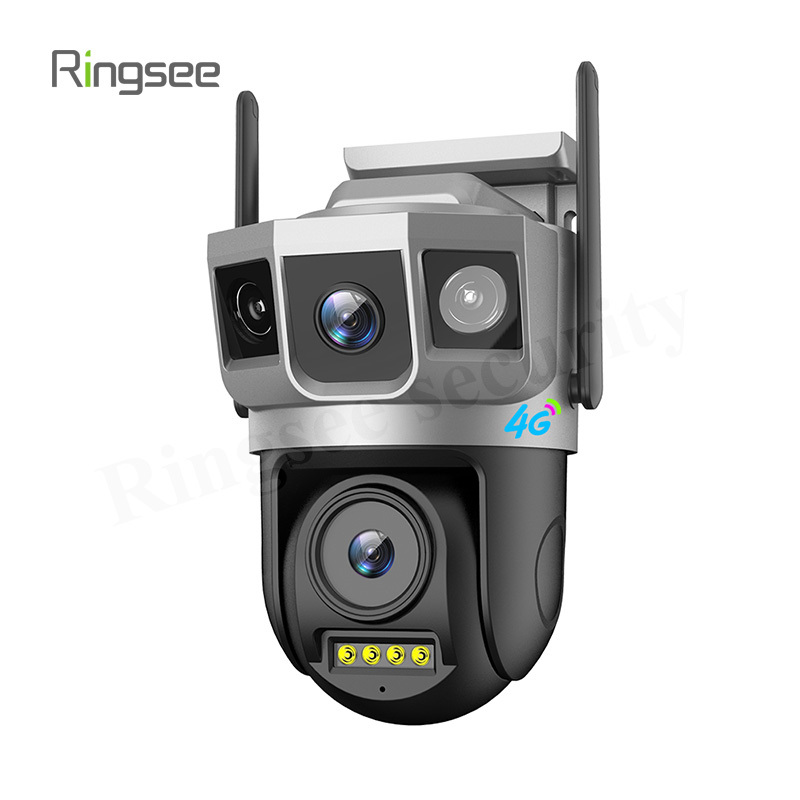
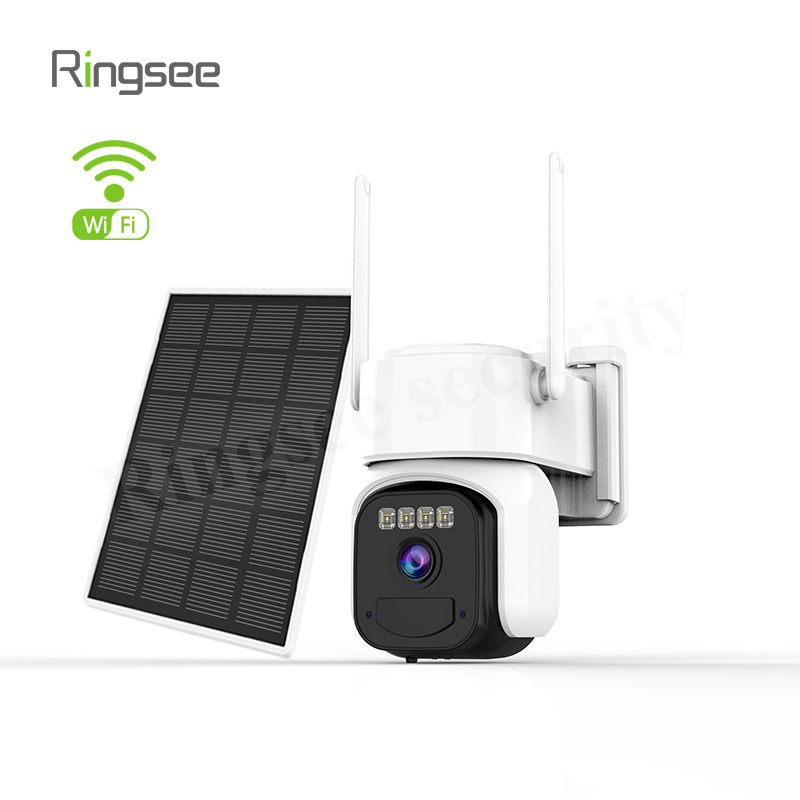
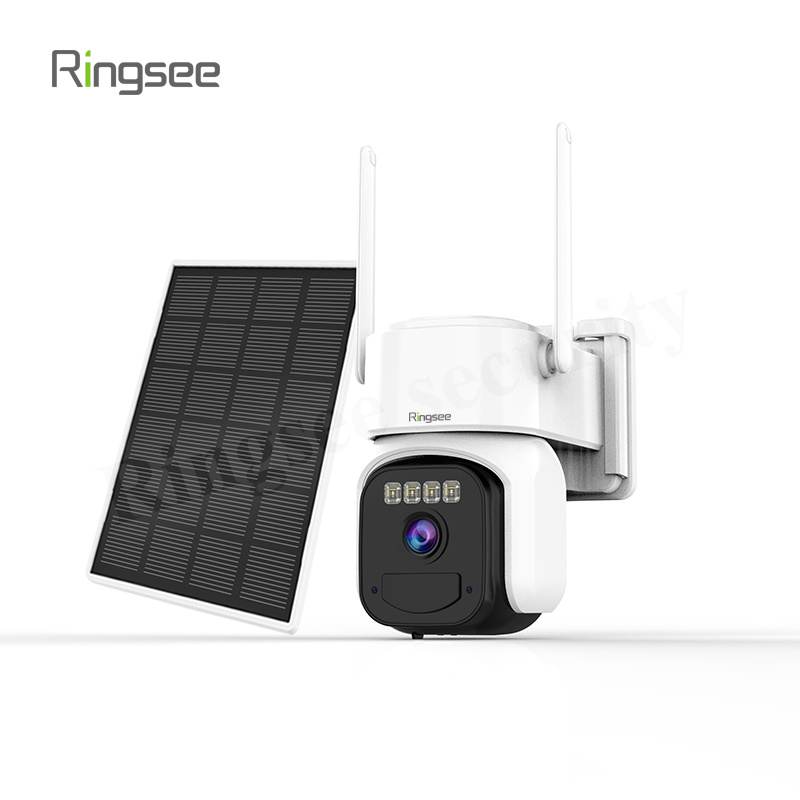
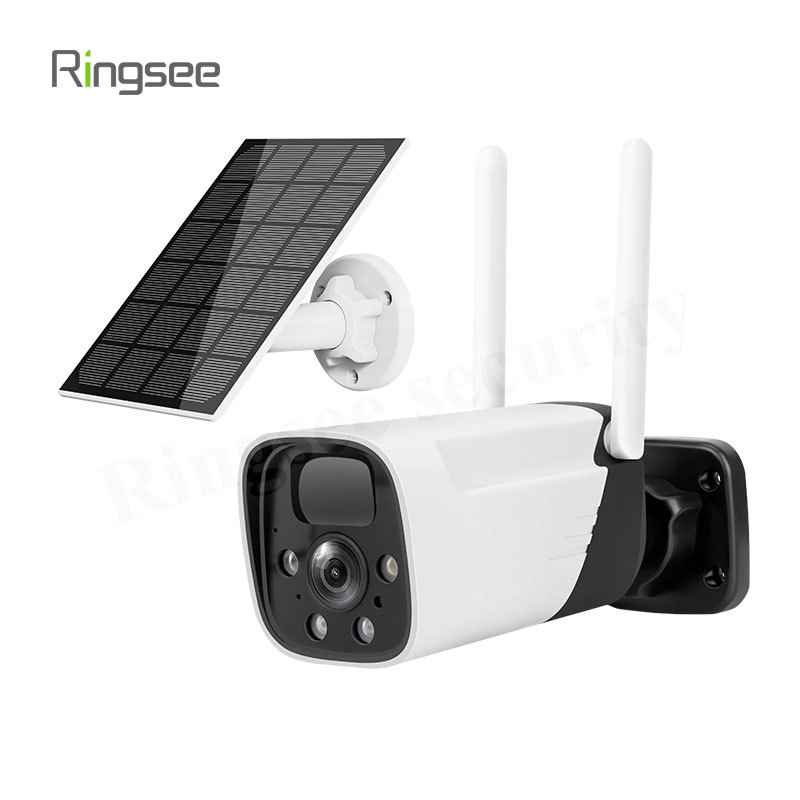
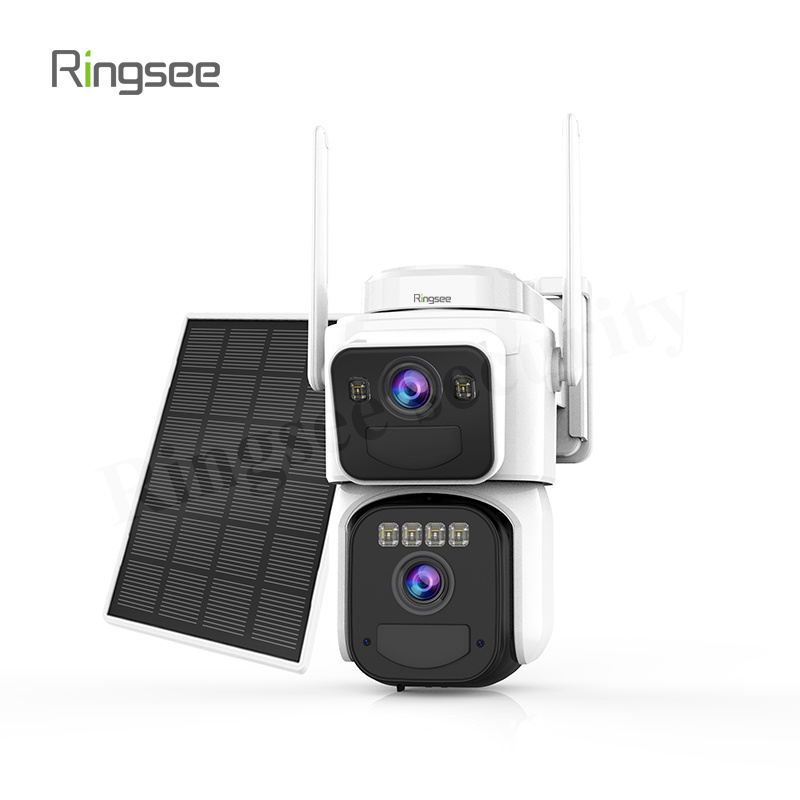

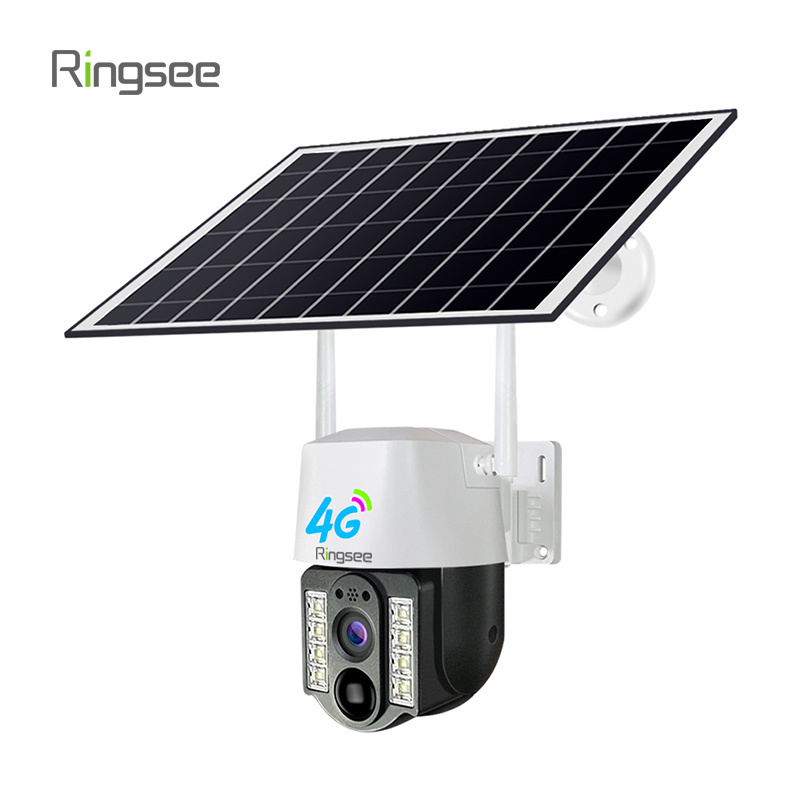
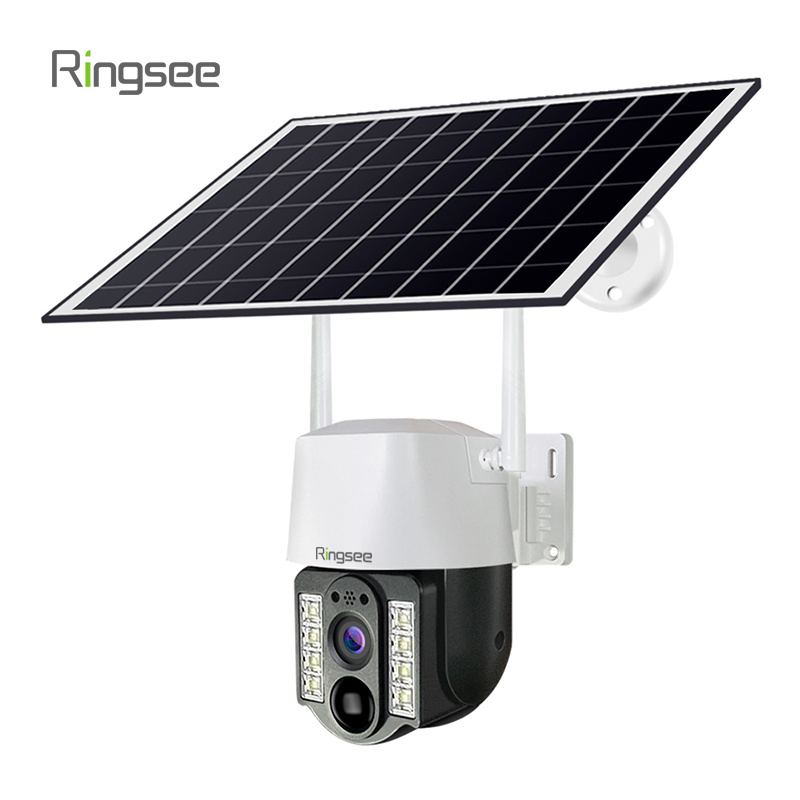
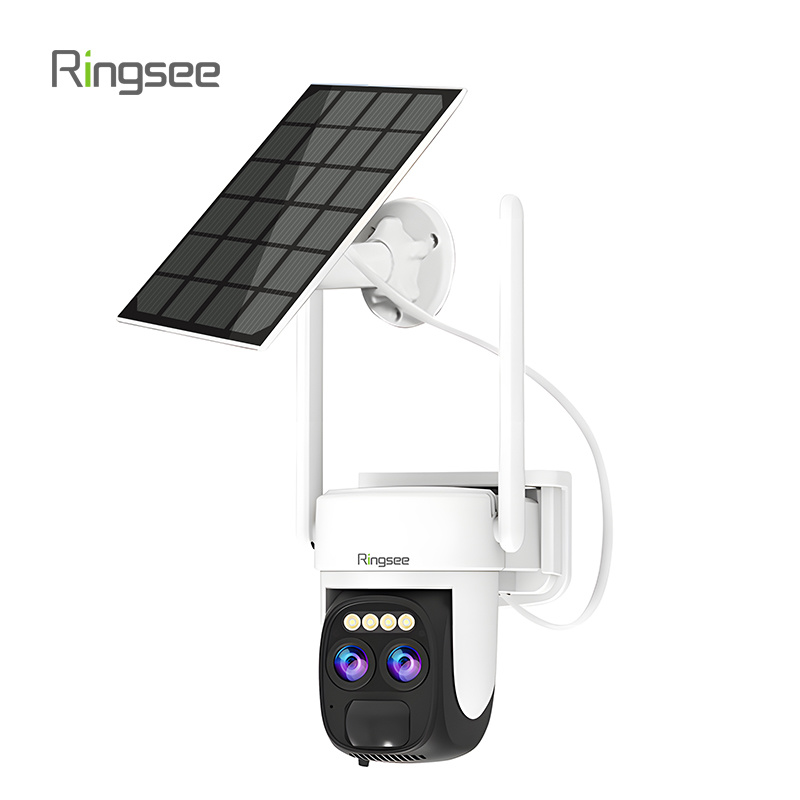




Why 4G Solar Security Cameras Are the Best Choice for Remote Surveillance in 2026
Publish:
2026-04-08 21:05
Source:
https://www.ring-see.com
Discover why 4G solar security cameras are ideal for remote surveillance. Learn how solar power, mobile networks, AI detection, and weatherproof design make them a practical off-grid security solution.
When a site has no stable power supply and no reliable Wi-Fi, traditional security cameras quickly become difficult to deploy. Farms, construction sites, rural roads, warehouses, storage yards, and seasonal properties all share the same challenge: they still need dependable surveillance, even when normal infrastructure is limited.
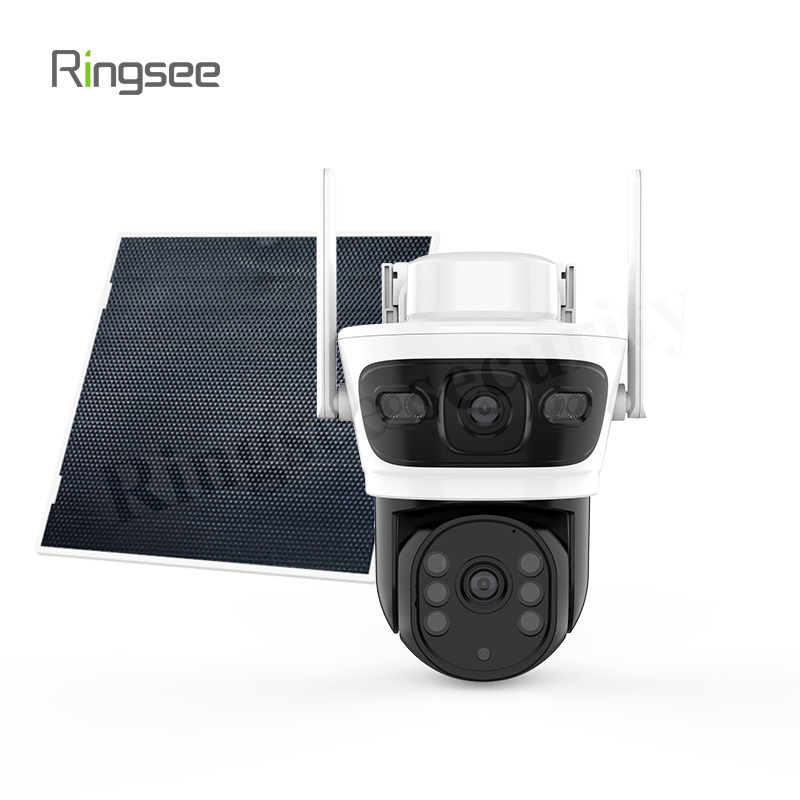
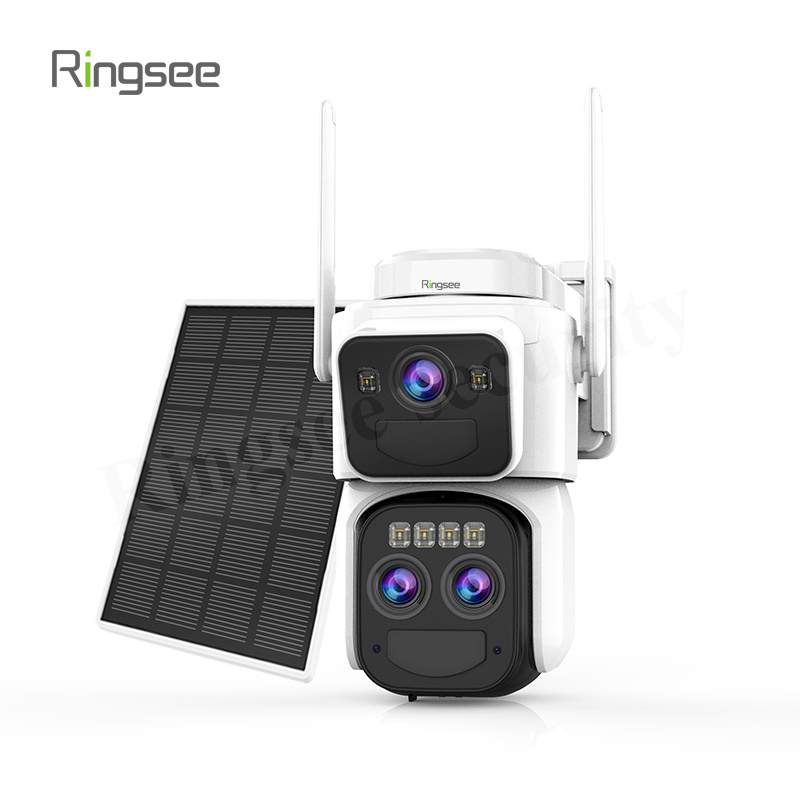
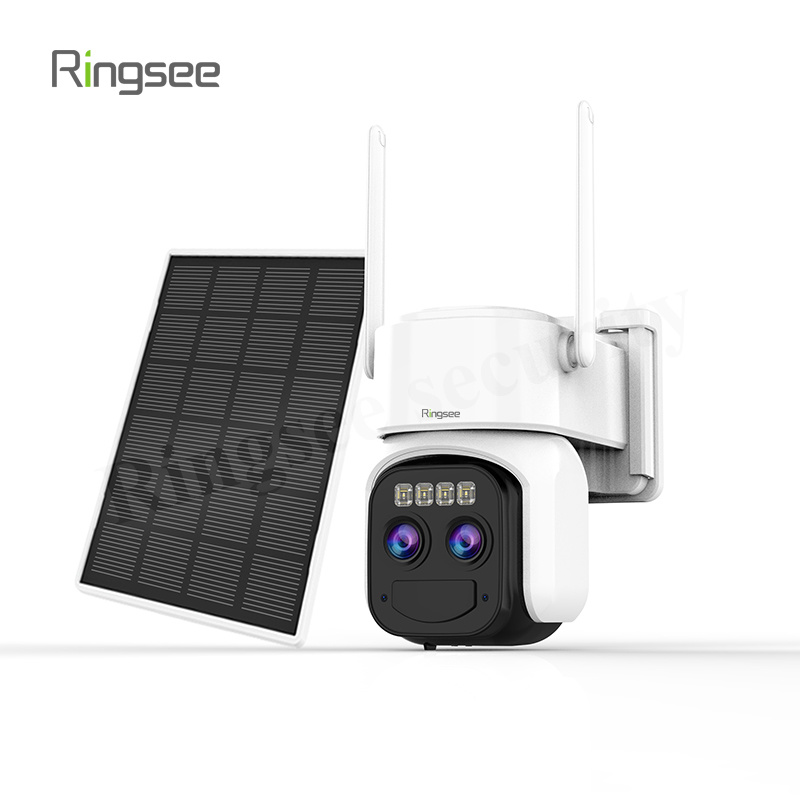
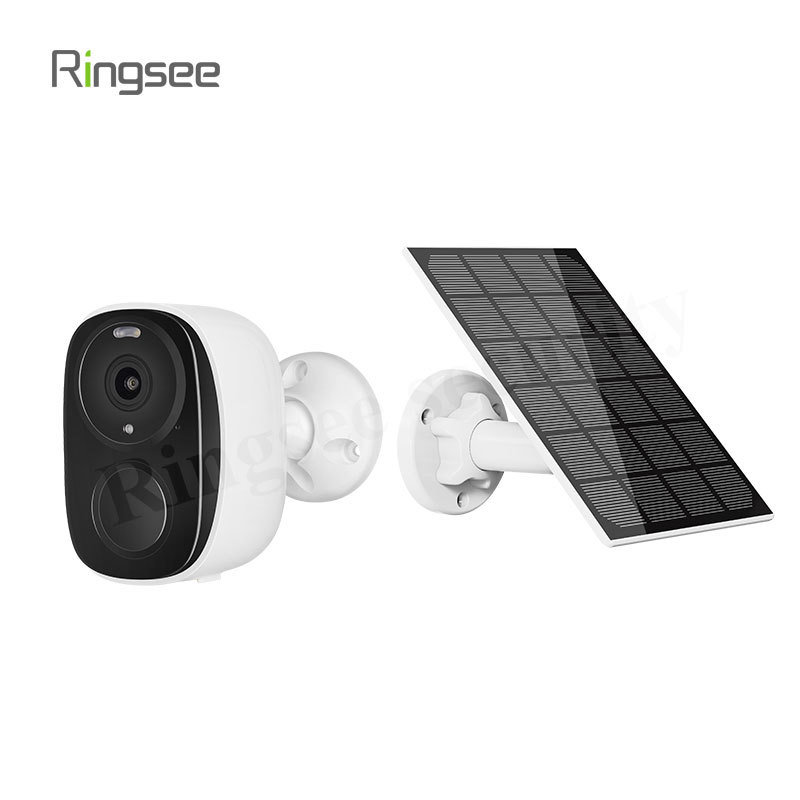
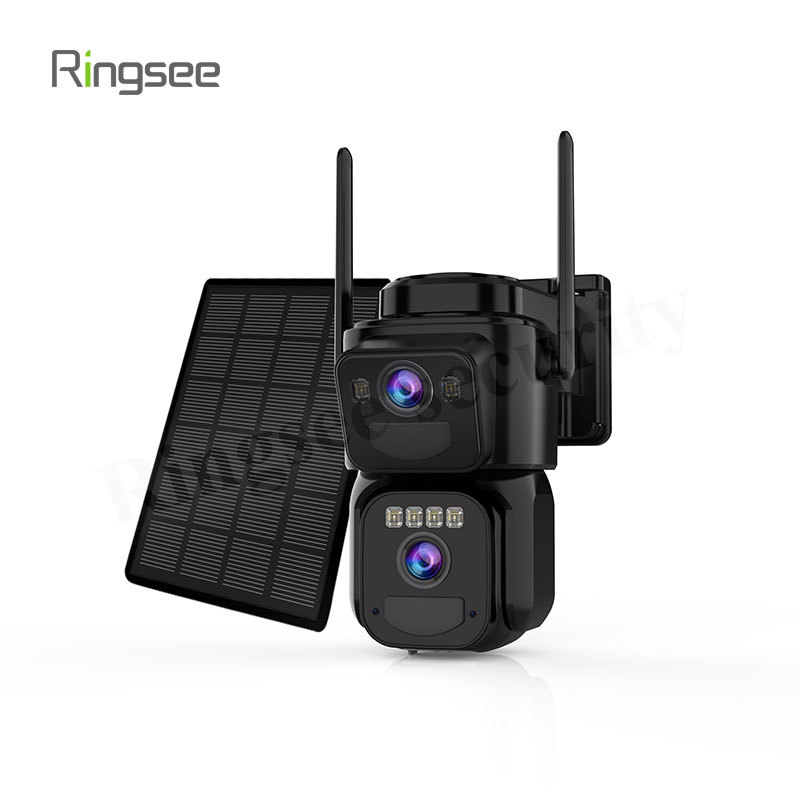
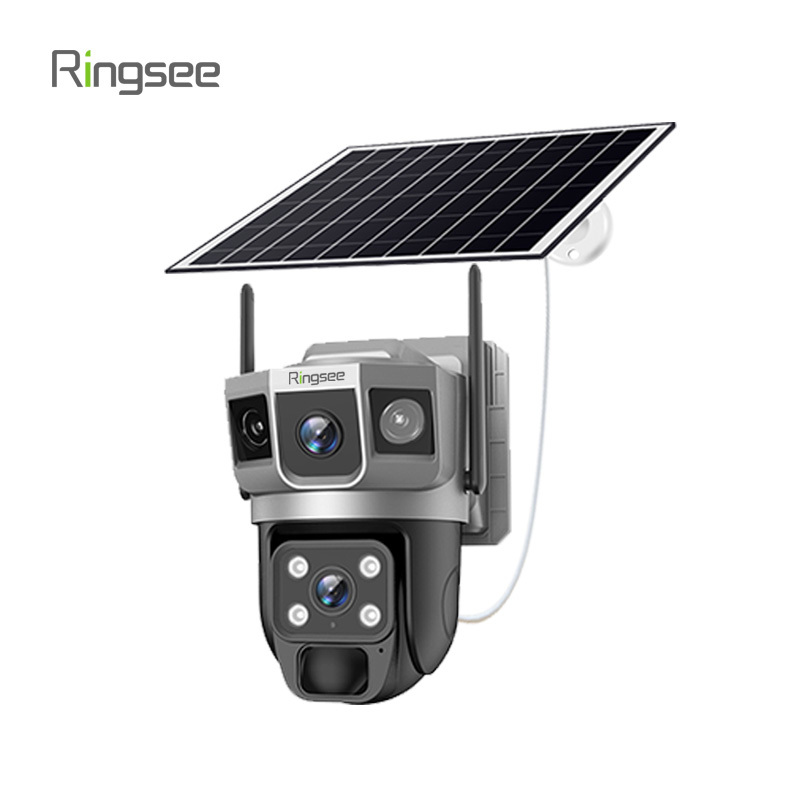
That is where 4G solar security cameras stand out. By combining cellular connectivity with solar charging and rechargeable batteries, these cameras make it possible to monitor remote locations without laying cables or depending on local broadband service. For many off-grid environments, that combination is no longer just convenient—it is practical, scalable, and easier to maintain over time.
What Makes a 4G Solar Security Camera Different?
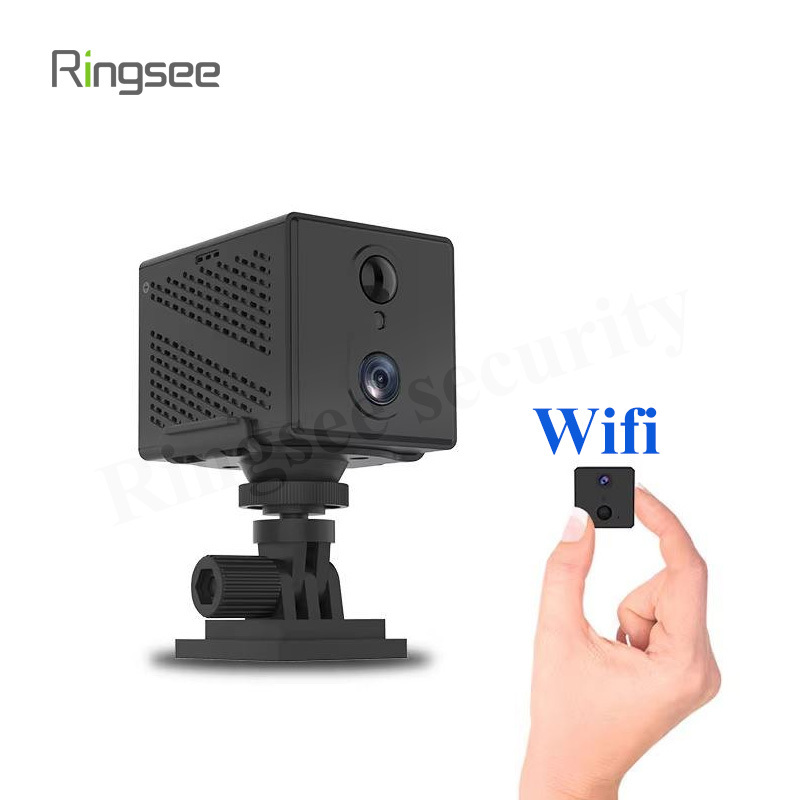
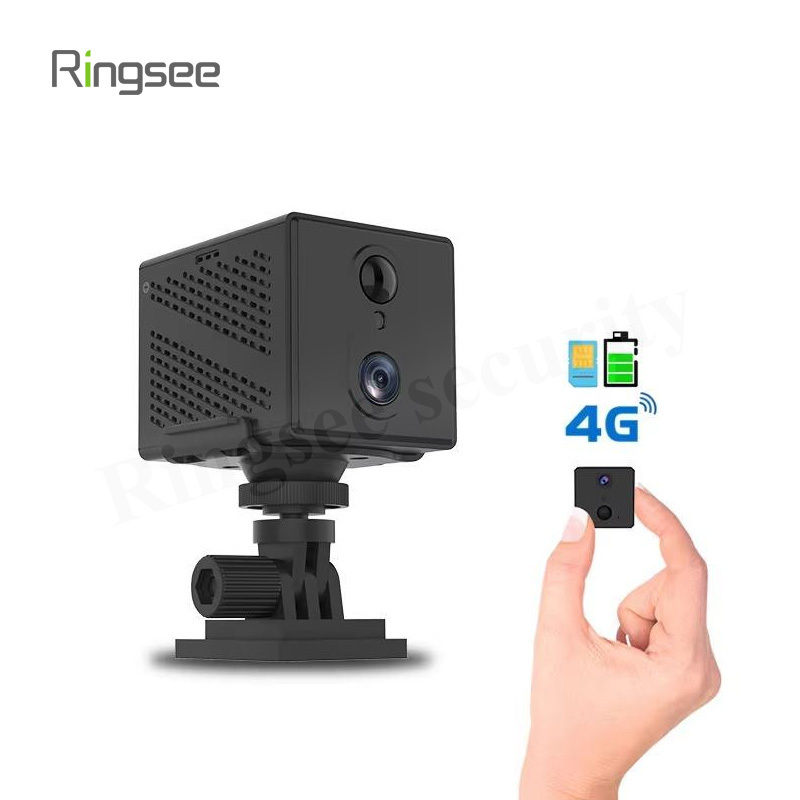
A 4G solar security camera works in a very different way from a standard Wi-Fi model. Instead of relying on a fixed internet connection, it uses a mobile network and SIM card to transmit video and alerts. That means the camera can be installed in places where broadband is unavailable, unstable, or too expensive to extend.
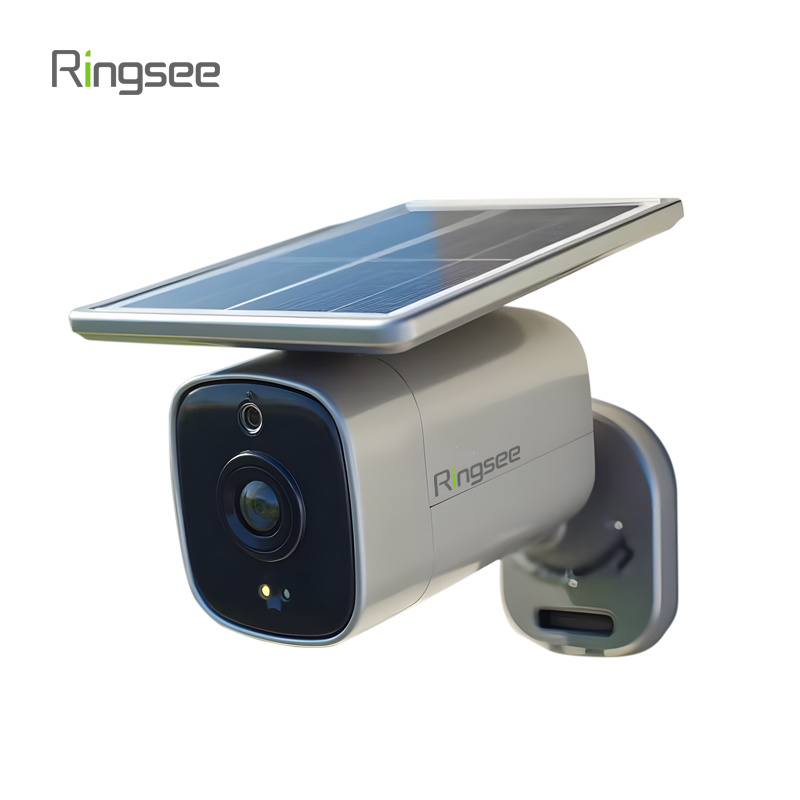
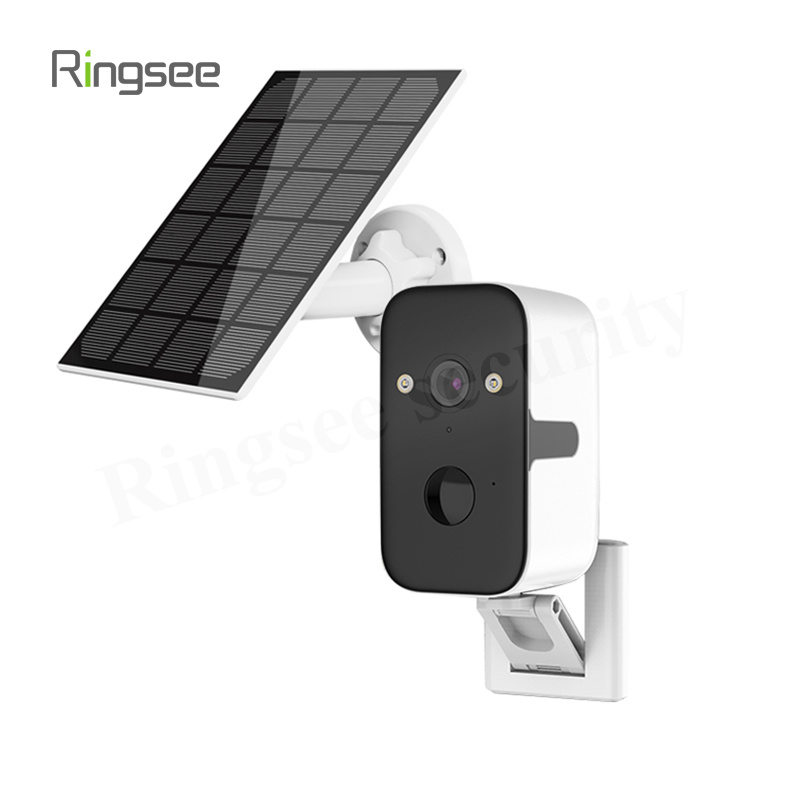
The solar panel and built-in battery provide the power source. In good conditions, the panel charges the battery during the day, and the camera continues operating through the night and during cloudy periods. Some models also use MPPT charging technology, which helps improve charging efficiency and protects the battery from overcharging. These design choices are especially valuable in locations where maintenance visits are difficult or costly.
Why 4G Connectivity Matters for Remote Sites
For remote surveillance, connectivity is often the biggest problem. A camera may have excellent image quality, but if it cannot send alerts or live video reliably, it loses much of its value.
4G cameras solve this problem by using the mobile network instead of a fixed broadband line. In practice, this allows users to view live footage, receive motion notifications, and review recordings through an app from almost anywhere. Ringsee’s page also notes support for “full Netcom,” meaning compatibility with SIM cards from major carriers in many regions. That kind of flexibility is useful for businesses that operate across different markets or manage multiple remote sites.
Solar Power Reduces Maintenance Burden
Power access is another common obstacle in off-grid environments. Running electrical lines to a remote site can be expensive, and in some places, it is simply not realistic.
Solar-powered cameras reduce that burden by generating their own energy. Once installed correctly, they can keep running without regular manual charging or complex wiring. For organizations managing large areas such as farmland, storage yards, orchards, or worksites, this can reduce labor costs and make the system easier to scale. Ringsee’s original article highlights this as one of the main reasons solar 4G cameras are attractive for rural and hard-to-reach locations.
Features That Matter Most in a Good 4G Solar Camera

Not every solar camera is built the same. When comparing models, the most important features are the ones that affect real-world reliability, image clarity, and alert accuracy.
1. Video Resolution
A strong remote-security camera should provide enough detail to identify people, vehicles, or activity at a distance. The original Ringsee article points to 2K or 4MP resolution as a common benchmark for better clarity, especially when zooming in on important areas.
2. Night Vision
Security incidents do not only happen during daylight. That is why infrared night vision and full-color low-light imaging are both important. Better night performance gives users more usable detail after dark and improves the chances of understanding what happened in a scene.
3. Video Compression
Efficient encoding matters when footage is transmitted over cellular networks. H.265 compression can reduce data usage and storage requirements while preserving useful image quality. For users with limited data plans or large recording needs, that efficiency can make a noticeable difference.
4. Storage Options
A flexible camera should support both SD card recording and cloud backup. Local storage is useful for quick access and lower recurring costs, while cloud storage can improve remote access and backup reliability. The best choice depends on the installation site, security policy, and budget.
5. WDR for Difficult Lighting
Outdoor scenes often include strong sunlight, deep shadows, and high contrast. The original page notes that newer Ringsee models include WDR (Wide Dynamic Range) to help balance these lighting challenges. That feature is especially useful for entrances, gates, and open areas where the lighting changes throughout the day.
AI Motion Detection Helps Reduce False Alarms
One of the most useful upgrades in modern security cameras is AI-based motion detection. Traditional motion sensors often react to everything: moving branches, passing animals, shifting shadows, or wind-driven debris.
AI detection improves that experience by helping the camera distinguish between people, animals, and non-threatening movement. Users can also set activity zones so that only the most important areas trigger alerts. This reduces false notifications and makes the system more practical for day-to-day use. According to the original page, the camera sends push alerts to the phone when movement is detected, allowing users to respond quickly without constantly checking the live feed.
Easy Installation Is a Major Advantage
A big reason these systems are popular is the installation process. There is no need to run power cables or connect to a Wi-Fi router. In most cases, the setup is straightforward: mount the camera, position the solar panel, insert the SIM card, and connect the device through the app.
This ease of deployment makes 4G solar cameras attractive for temporary projects as well as permanent installations. They are commonly used at construction sites, farms, storage yards, vacation homes, and forest or orchard entrances. Ringsee also notes that many of these cameras are built with IP65 or IP66 weather resistance, which helps them continue working in rain, dust, and heat.
Common Use Cases for 4G Solar Security Cameras
These cameras are especially effective in locations where traditional wiring is difficult or too expensive. Common deployment scenarios include:
Farms, where they can monitor gates, livestock areas, feed storage, and water tanks.
Construction sites, where they can protect equipment, materials, and temporary work areas.
Vacation homes, where the property may sit empty for long periods and internet access may be limited.
Storage yards, where they can watch parked vehicles, containers, and inventory.
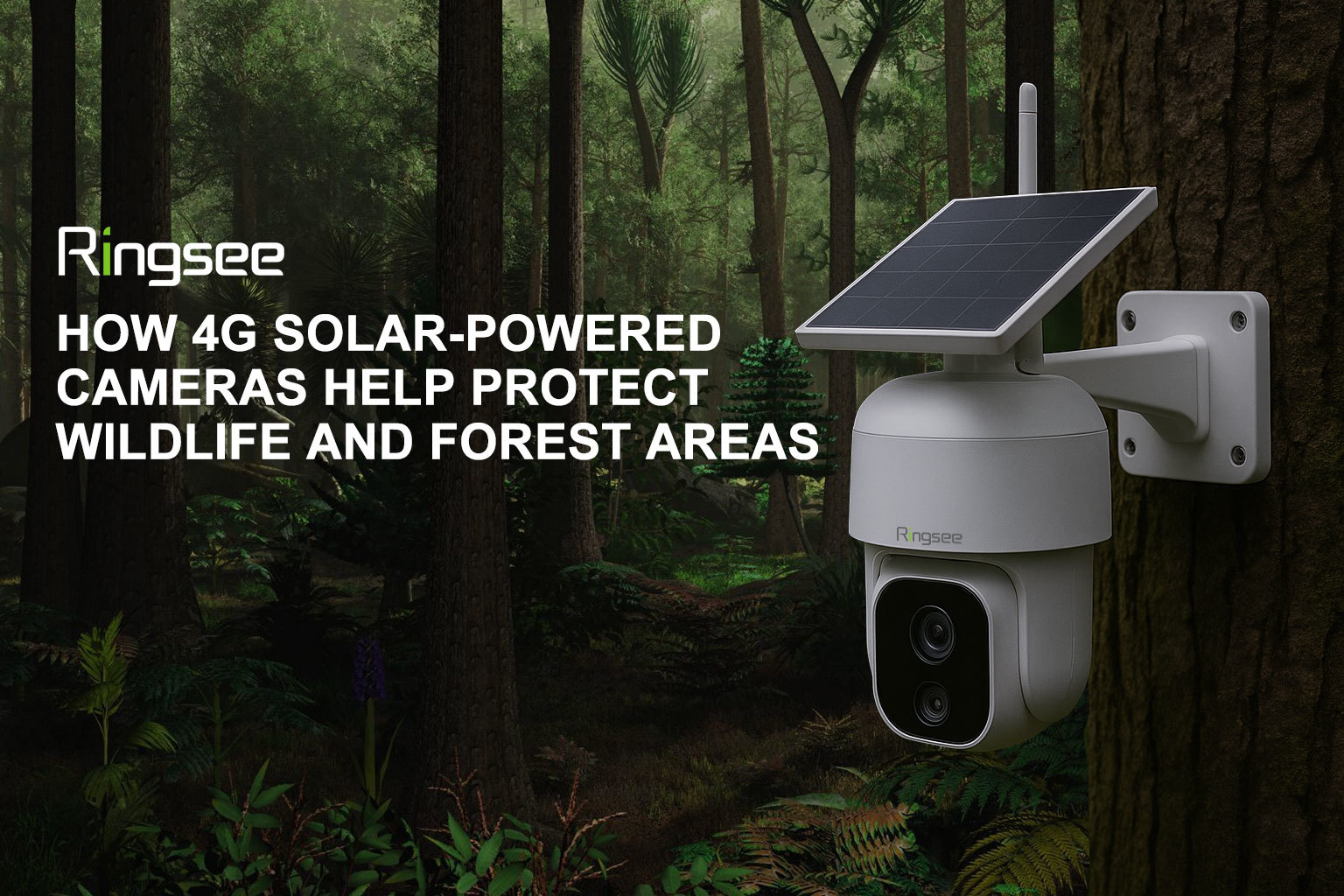
Orchards and forests, where they can help secure access roads and reduce theft risks.
What to Check Before Buying
Before choosing a 4G solar security camera, it is worth checking a few practical details rather than focusing only on marketing claims.
Battery capacity matters, especially in areas with long rainy seasons or limited daylight.
Solar panel wattage and charging efficiency determine how well the system stays powered.
Cellular compatibility is important because the camera must support the local network bands and SIM service available in the region.
Storage limitations and cloud fees should be reviewed before deployment.
App quality also matters, because the remote viewing and playback experience will affect daily use.
Why Ringsee Is Positioned for This Category
Ringsee presents itself as a China-based manufacturer with more than 15 years in the security camera industry. The company says it combines solar technology, cellular communication, and intelligent video analytics, and it also offers OEM and ODM services, region-specific network module integration, technical support, and supply chain stability. For B2B buyers, those capabilities are important because they support both product customization and long-term project planning.
Final Thoughts
For remote locations with no power line and no Wi-Fi, a 4G solar security camera is one of the most practical surveillance options available. It offers wireless deployment, mobile-network connectivity, solar charging, AI-based alerts, and weather-resistant outdoor performance in a single system.
As solar efficiency, battery technology, and AI detection continue to improve, these cameras are becoming a stronger fit for farms, worksites, storage areas, and other off-grid environments. For businesses that need scalable remote monitoring, the category is no longer niche—it is a serious security solution.
Related News
Security Camera AI Smart Analysis (Human / Vehicle / Cross-Line Detection) Selection Guide
The previous seven articles each solved one problem: power supply (see the "Power & Connectivity 12-Combination Decision Tree") decides whether the device powers on; connectivity (see the "4G + Solar Off-Grid Surveillance Selection Guide") decides whether it communicates; night vision (see the "Night Vision & Low-Light Selection Guide") decides how much you see in the dark; weatherproofing and lightning protection (see the "IP66/IP67 Weatherproofing and Lightning Protection Selection Guide") decides how long the system survives; lens and field of view (see the "Security Camera Lens, Focal Length & Field of View (FOV) Selection Guide") decides whether it captures the target; storage and NVR (see the "Security Camera Storage & Recording Duration / NVR Selection Guide") decides whether the footage stays; and remote access and network security (see the "Security Camera Remote Access & Network Security / VPN Selection Guide") decides whether those images stay protected. But so far the system is still a "faithful recorder" — it captures everything, yet cannot tell the difference between "leaves rustling in the wind" and "someone climbing the fence." From a neutral technical perspective, this article pushes the surveillance system past the value inflection point of "being able to recognize": it breaks down the deployment forms of edge AI vs cloud AI, the real boundaries of the three core algorithms — human, vehicle, and cross-line detection — the generational gap in false-alarm rate between deep learning and traditional motion detection, edge NPU compute and power consumption, privacy compliance red lines, alarm linkage and platform integration, and provides a procurement verification checklist — helping buyers upgrade from "capturing" to "understanding and alerting accurately."
Aug 22,2026
Security Camera Remote Access & Network Security / VPN Selection Guide
The previous six articles each solved one problem: power supply (see the "Power & Connectivity 12-Combination Decision Tree") decides whether the device powers on; connectivity (see the "4G + Solar Off-Grid Surveillance Selection Guide") decides whether it communicates; night vision (see the "Night Vision & Low-Light Selection Guide") decides how much you see in the dark; weatherproofing and lightning protection (see the "IP66/IP67 Weatherproofing and Lightning Protection Selection Guide") decides how long the system survives; lens and field of view (see the "Security Camera Lens, Focal Length & Field of View (FOV) Selection Guide") decides whether the system actually captures the target; and storage & NVR (see the "Security Camera Storage & Recording Duration / NVR Selection Guide") decides whether the footage stays. But all that investment is for nothing if the final door — the network exposure surface and remote access security — is not held: weak passwords scanned, management ports exposed on the public internet, firmware backdoors exploited, attackers can peek, delete recordings, or even borrow the camera as a botnet relay. From a neutral technical perspective, this article breaks down the real attack surface of a surveillance system, weak passwords and tiered accounts, port exposure vs network isolation, VPN (IPSec / OpenVPN / WireGuard) selection comparison, the convenience and risk of P2P cloud access, RTSP/HTTPS transport encryption, firmware supply-chain security, IoT network segmentation, and provides a procurement verification checklist — helping buyers lock down "resisting breach," the last link of the evidence chain.
Aug 22,2026
Security Camera Storage & Recording Duration / NVR Selection Guide
Many projects spend heavily on lens, night vision, and weatherproofing, only to stumble at a neglected final link: footage is never recorded, or not stored for enough days. A contract dispute needs footage from three months ago, but the hard drive only holds 7 days. An NVR loaded with 16 channels of 4K saturates its ingress bandwidth, and playback stutters like a slide show. A desktop-grade drive run 7×24 for half a year develops bad sectors and loses a critical piece of evidence. Using directly applicable storage formulas and typical values, this article breaks down the relationship between bitrate and recording duration, the compression difference between H.264 and H.265 (HEVC), CBR/VBR and dual-stream, the three recording strategies of continuous / event / smart, key metrics of surveillance-grade hard drives, and the three NVR bottlenecks of channel count and bandwidth / decoding. It also provides a retention-day comparison table, an edge + central dual-backup scheme, compliant-retention essentials, and a procurement verification checklist — helping buyers lock down the last link of the evidence chain, "recorded, stored long enough, and retrievable," within budget.
Aug 15,2026
Security Camera Lens, Focal Length & Field of View (FOV) Selection Guide
A security camera is installed only to find "it can't frame the target, can't cover the entrance, or the face is stretched out of shape" — in over 90% of such failures it is not an image-quality problem, but a wrong calculation of lens focal length and field of view (FOV). Using directly applicable formulas and typical values, this article breaks down the basic physical relationship between focal length and FOV, the impact of sensor size on the viewing angle, the trade-offs of fixed vs zoom (including motorized zoom), the three hidden traps of wide-angle distortion / vertical FOV / pixel density (PPF), and provides a coverage comparison table for four scenarios (gate & cashier, plaza & parking, corridor passage, pole-top perimeter), the trade-offs of fisheye vs PTZ, the coupling of focal length with night vision, and a 7-step decision tree — helping buyers lock down "whether you can capture the target" at the design-drawing stage.
Aug 15,2026
Security Camera IP66/IP67 Weatherproofing and Lightning Protection Selection Guide
Whether an outdoor security camera lasts three years or three months rarely depends on image quality — it depends on weatherproofing and lightning protection. Water ingress and fogging, lightning-induced burnout, salt-fog corrosion, and cold-crack failure account for the vast majority of on-site returns of outdoor cameras. Using applicable parameters and typical values, this article breaks down the waterproofing boundaries of IP66/IP67/IP68, the IK impact rating, operating temperature and materials, salt-spray test duration, lightning entry paths, SPD surge protector selection, grounding resistance and equipotential bonding — then provides a protection comparison table for four typical scenarios, a 5-year total-cost comparison and a 6-step decision tree, so buyers can avoid the common failure points at the selection stage.
Aug 08,2026
Links:One Belt Power Technology
Add: 14th Floor, Baoshan Building, Longhua District, Shenzhen China.
Privacy Policy | SEO | CitySite | Support: 300.cn Dongguan