







Top 5 4G LTE Cellular Trail Camera OEM Manufacturers in China | Ringsee™
Publish:
2025-05-12 18:36
Source:
https://www.ring-see.com
With the rising demand for wireless surveillance in remote areas, 4G LTE cellular trail cameras have become increasingly popular among outdoor enthusiasts, hunters, and property owners.
With the rising demand for wireless surveillance in remote areas, 4G LTE cellular trail cameras have become increasingly popular among outdoor enthusiasts, hunters, and property owners. These cameras offer real-time monitoring and image transmission without the need for Wi-Fi, making them ideal for off-grid locations. China, as a global manufacturing hub, is home to several OEM companies that specialize in producing high-performance cellular trail cameras.
Below are the top 5 4G LTE cellular trail camera OEM manufacturers in China, recognized for their innovation, production capabilities, and reliability.
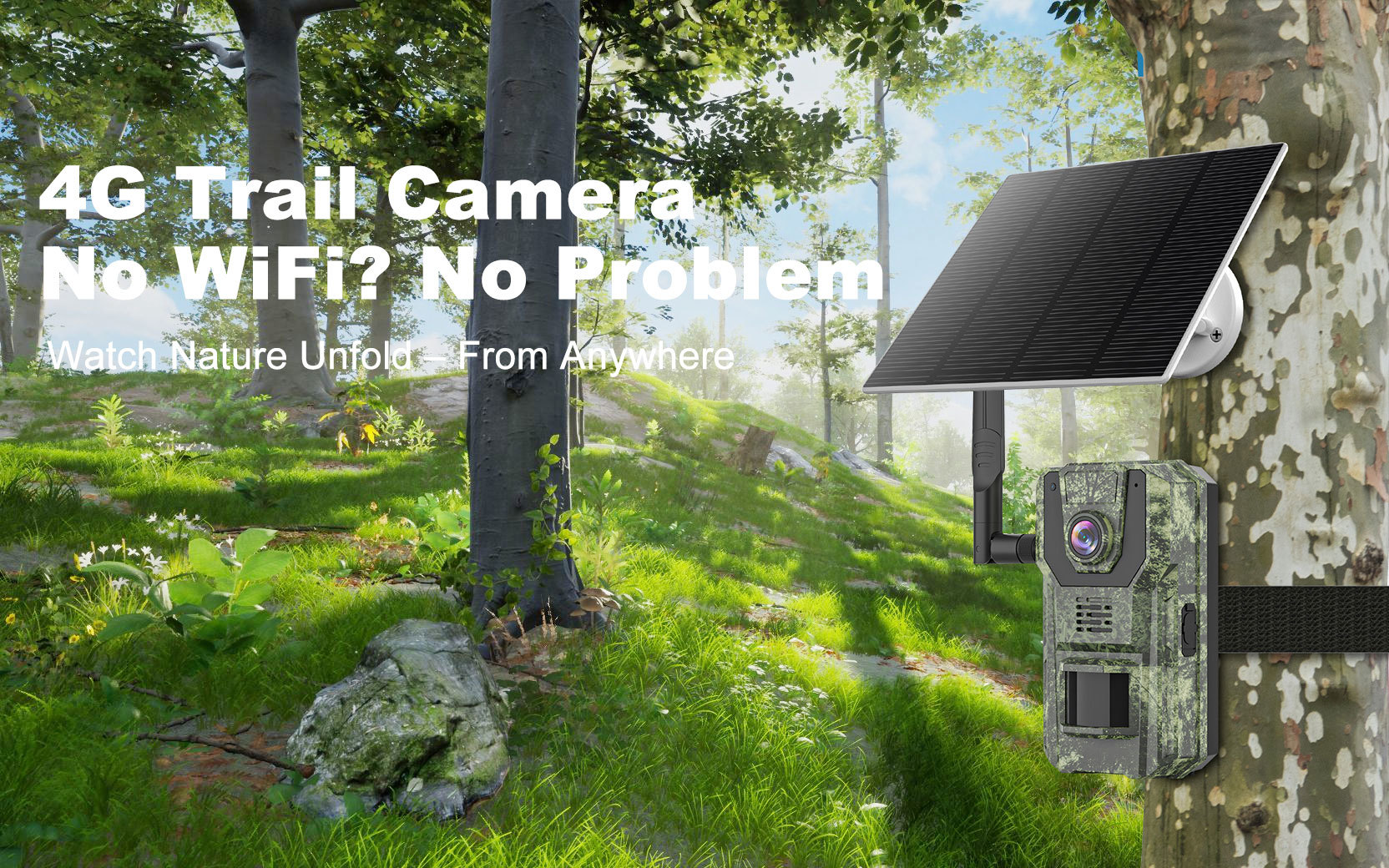
1. Shenzhen Ringsee Security Technology Co., Ltd.
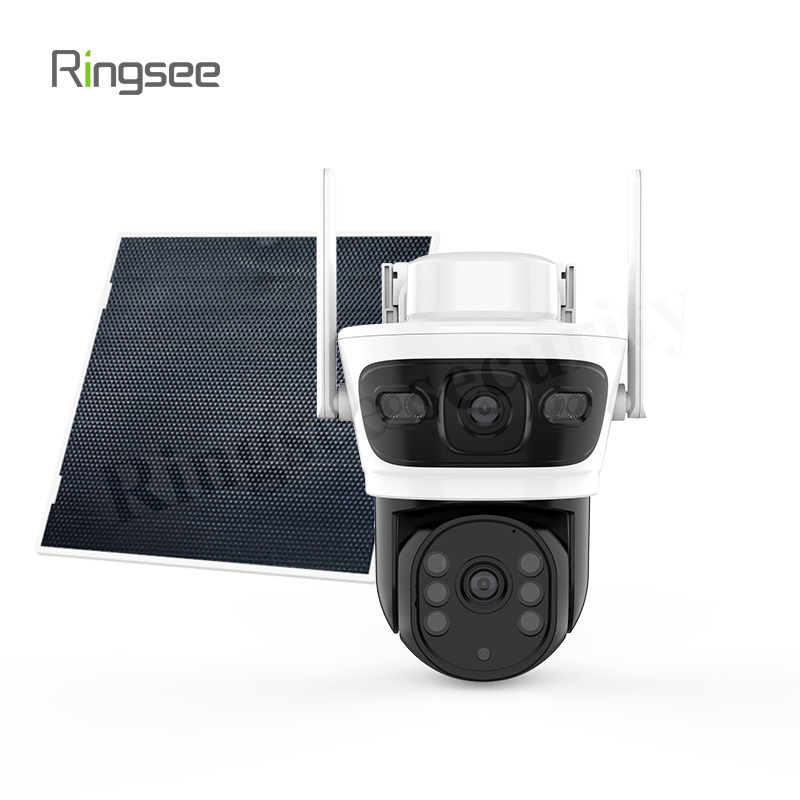
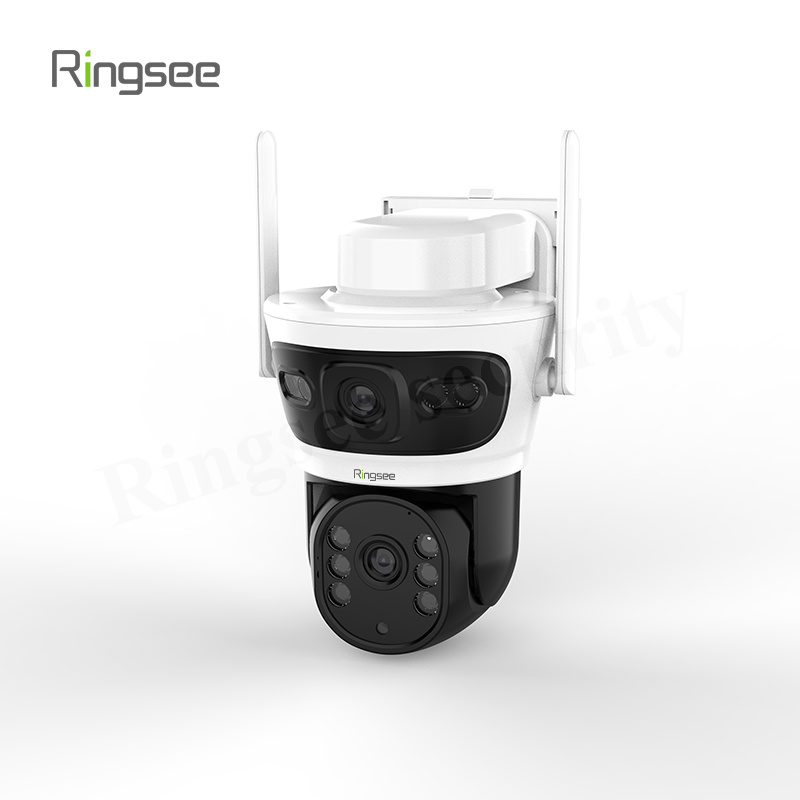
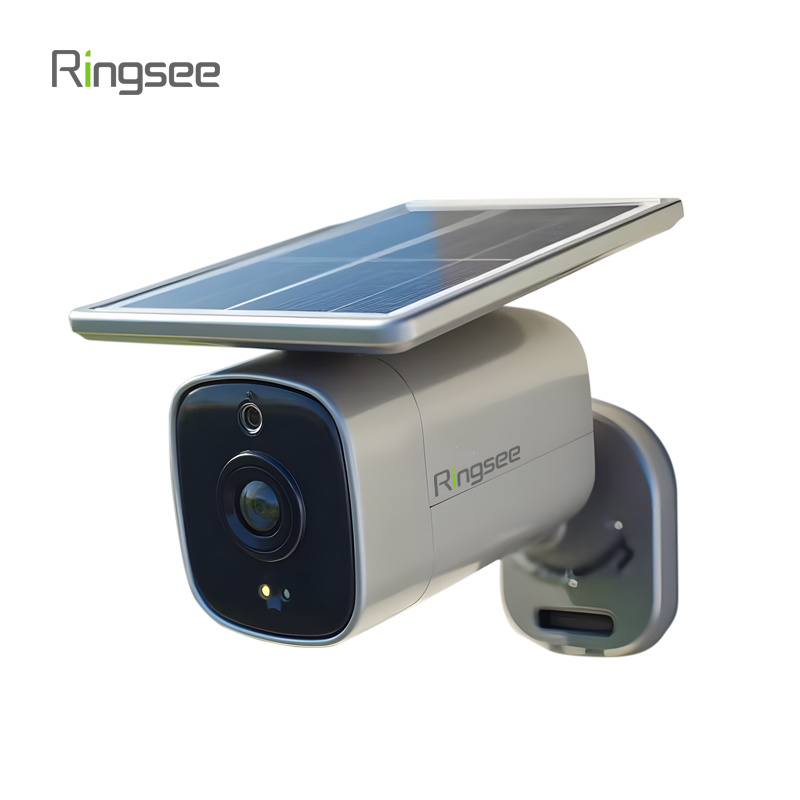
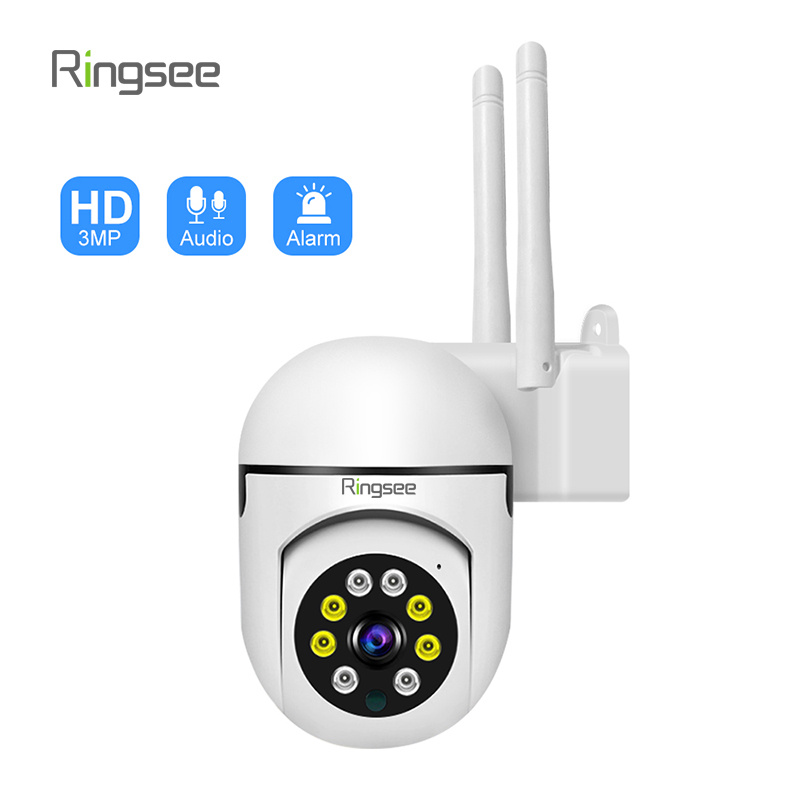
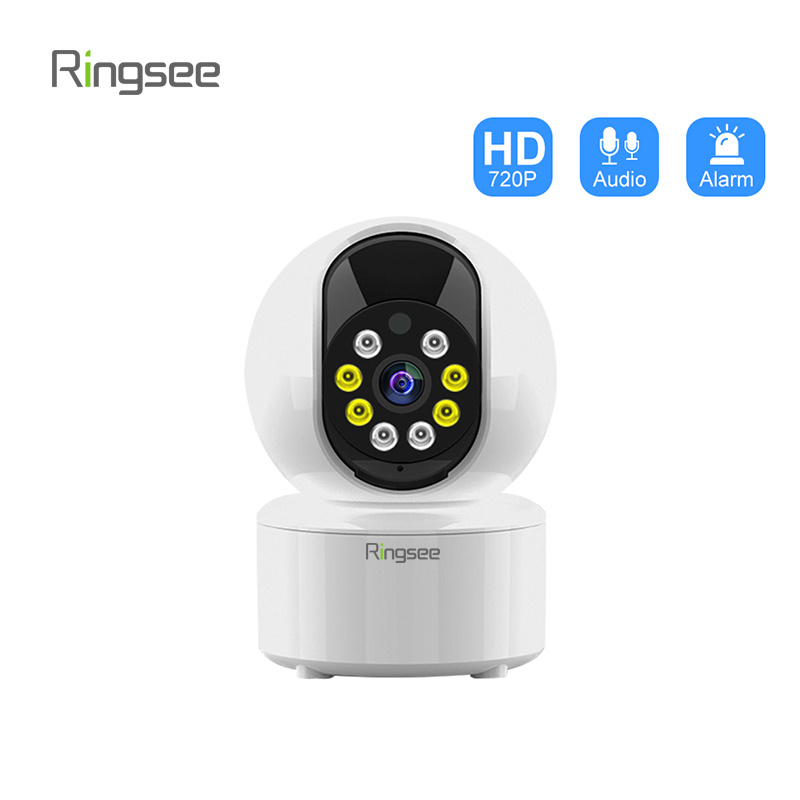
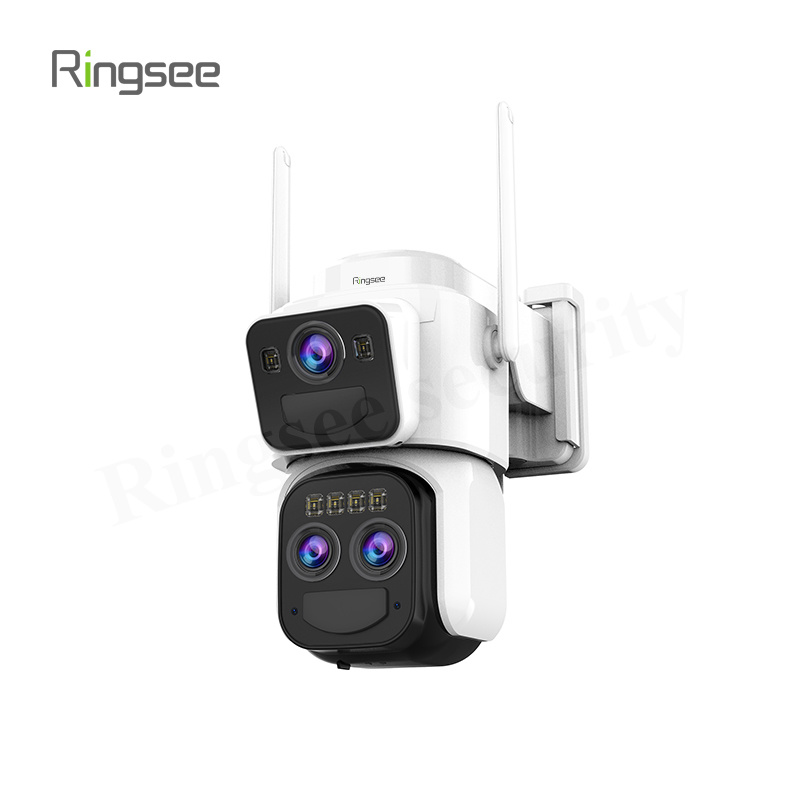
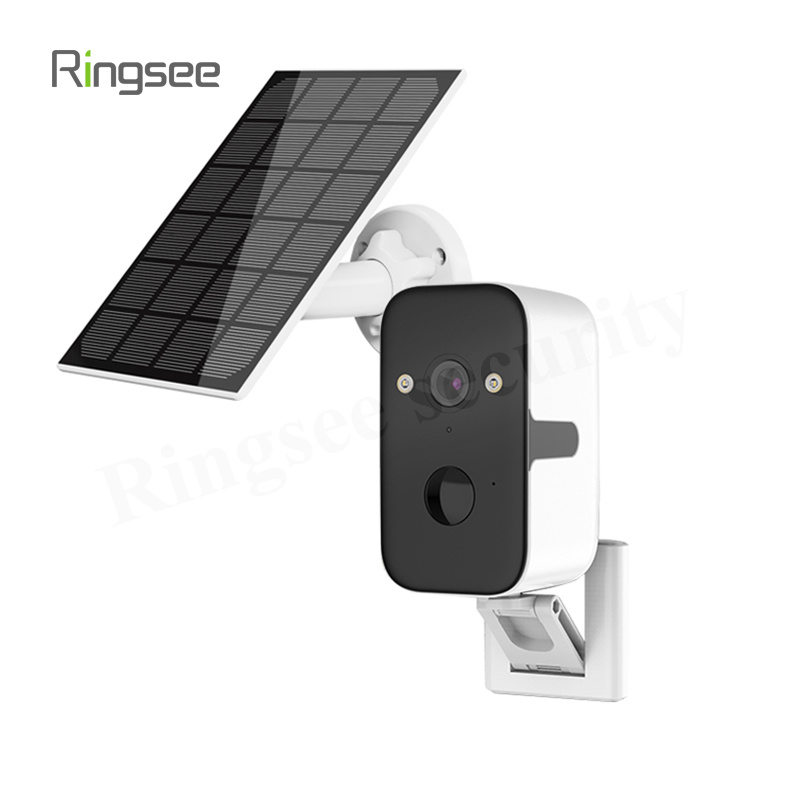
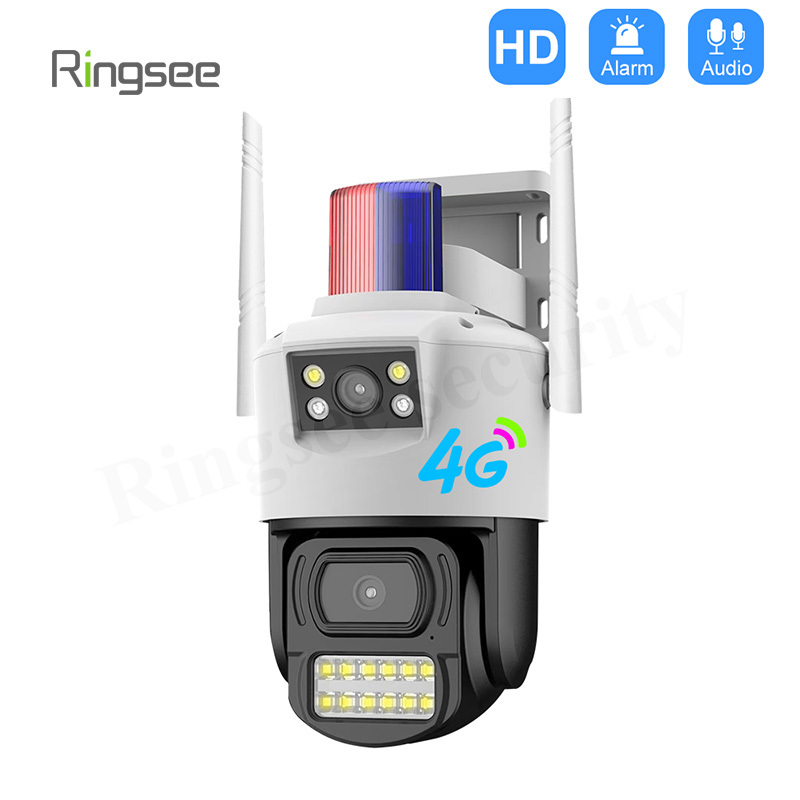
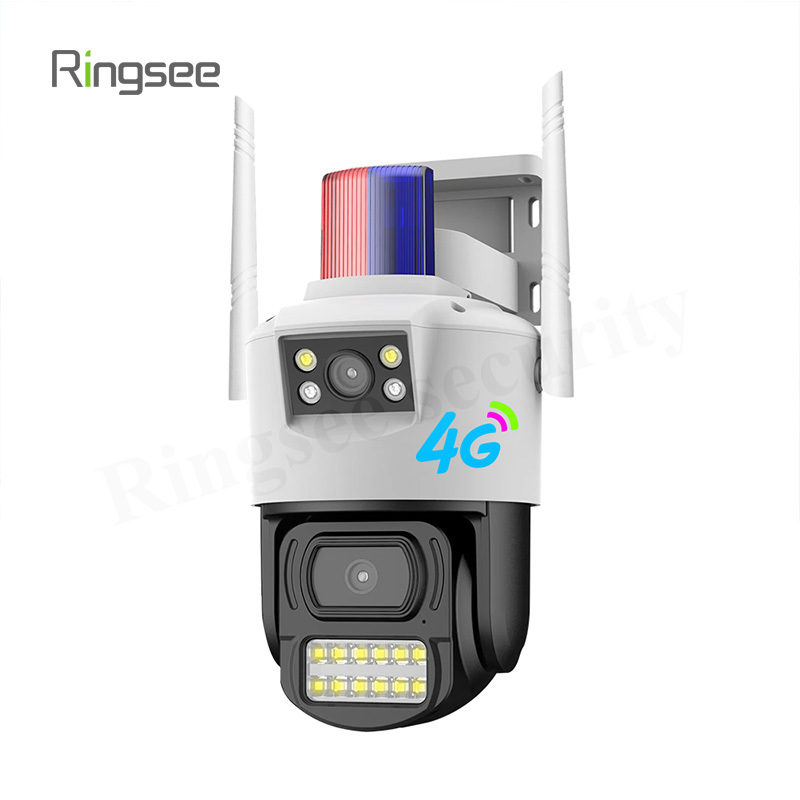
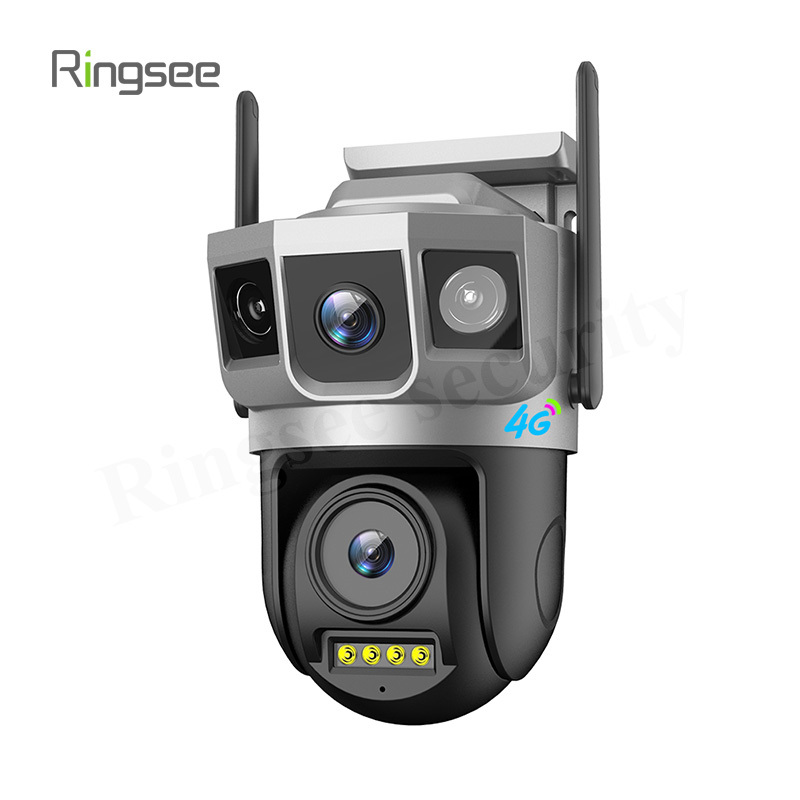
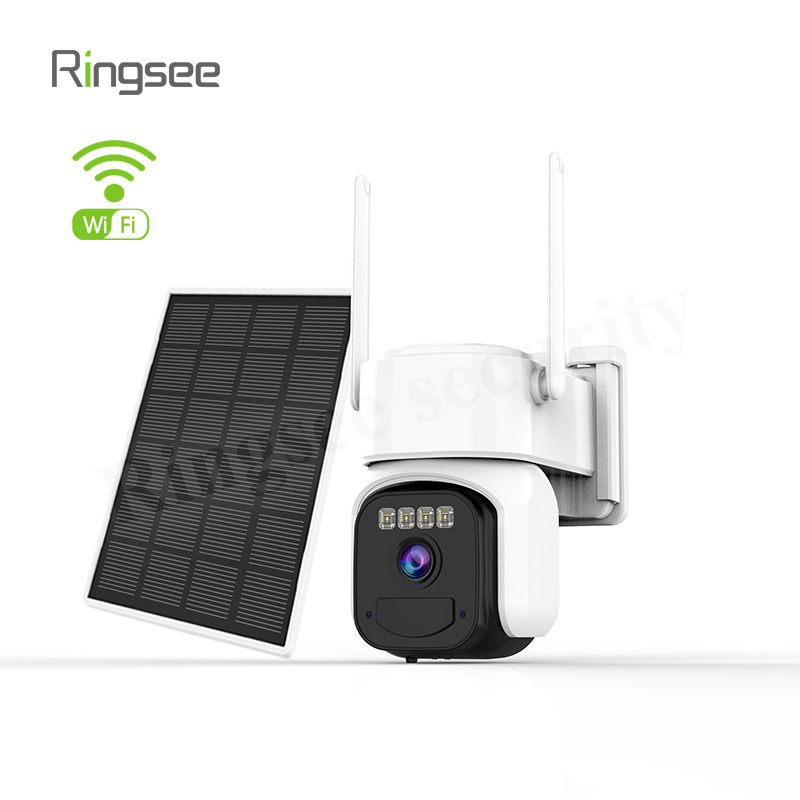
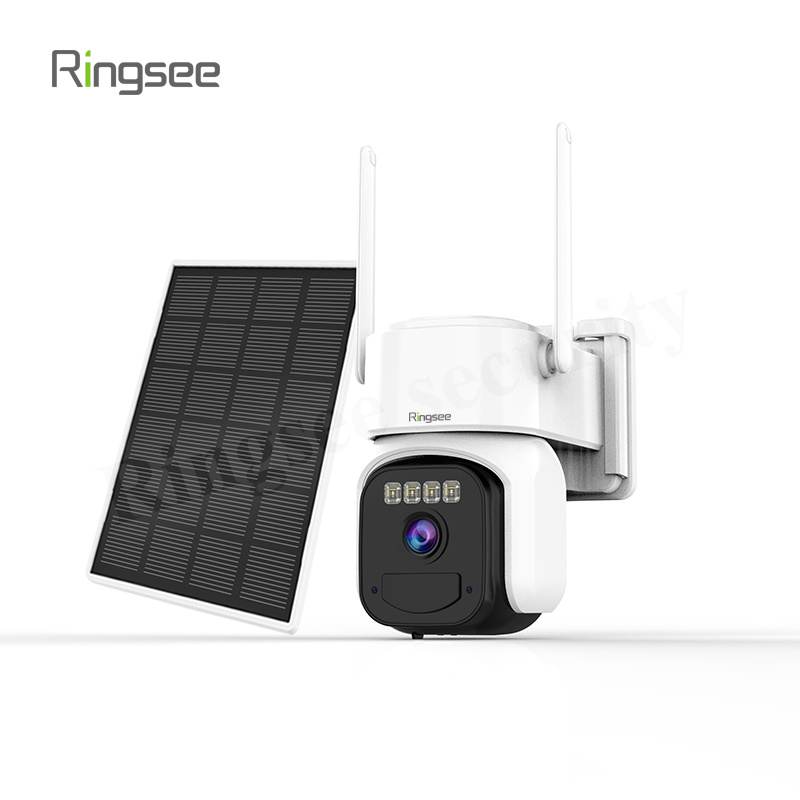
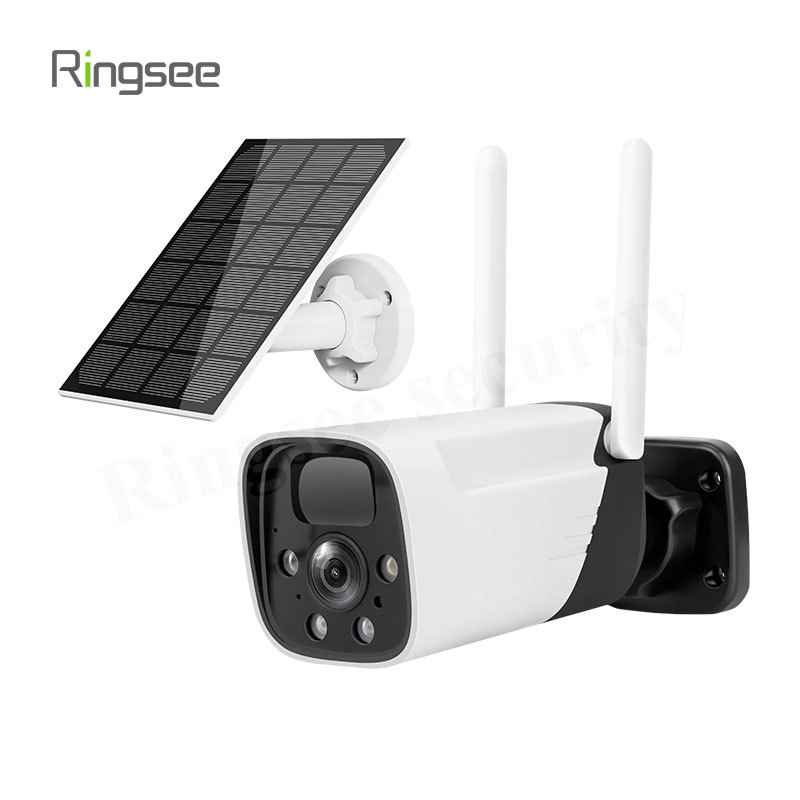
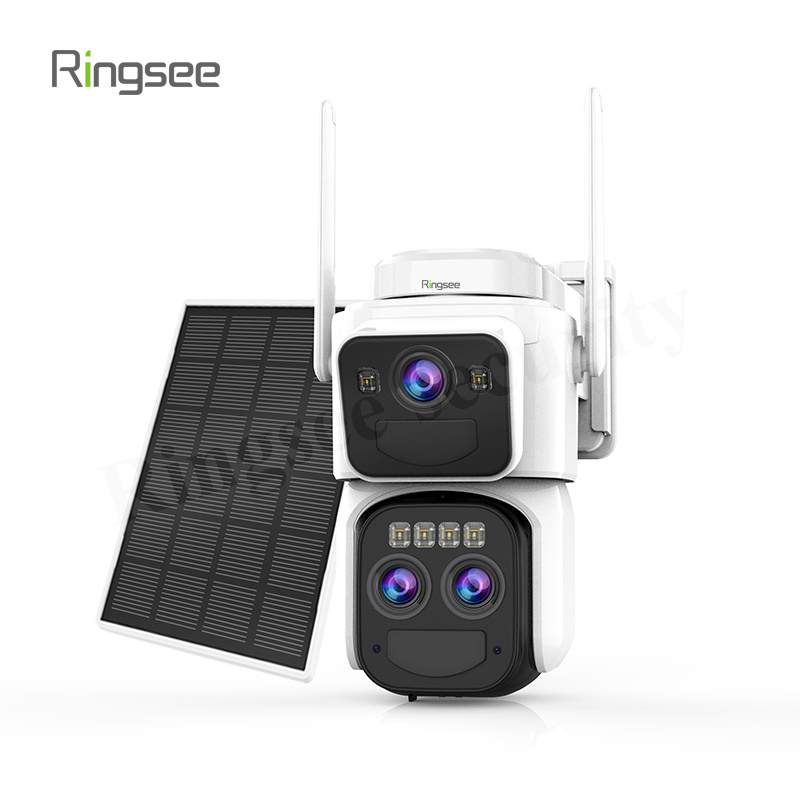
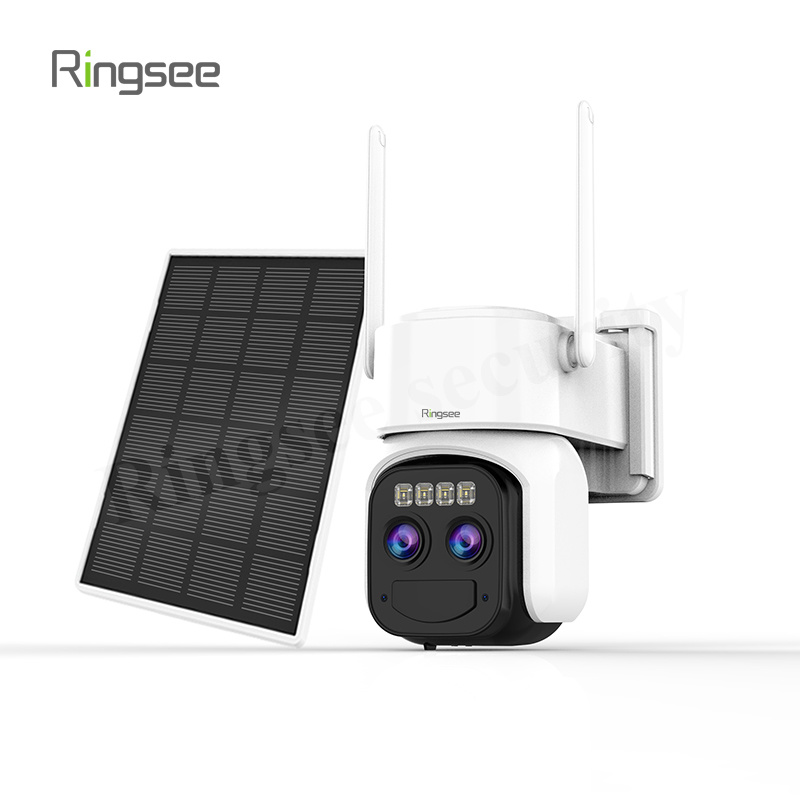
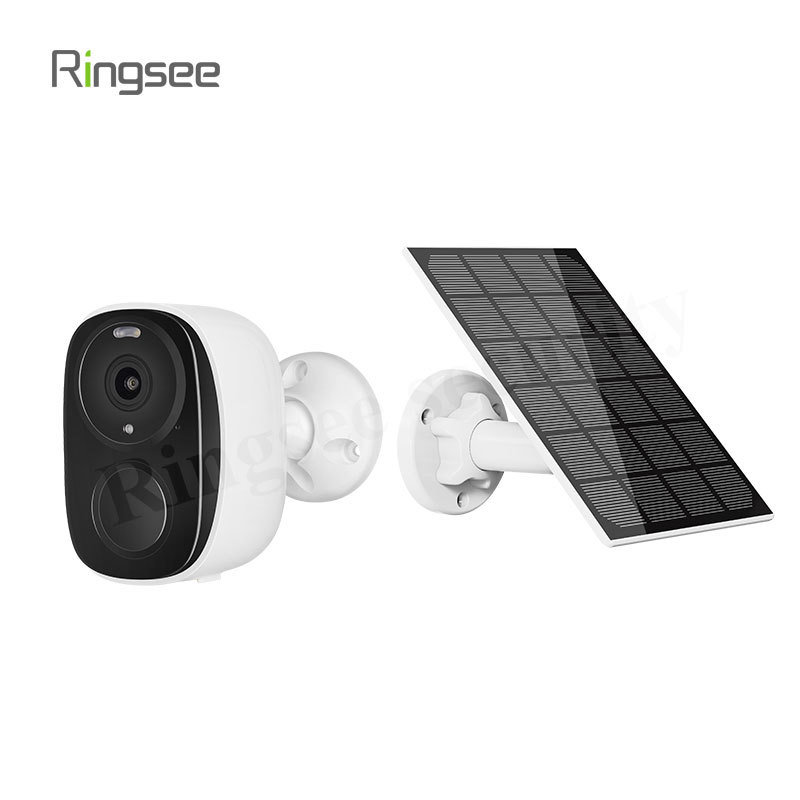
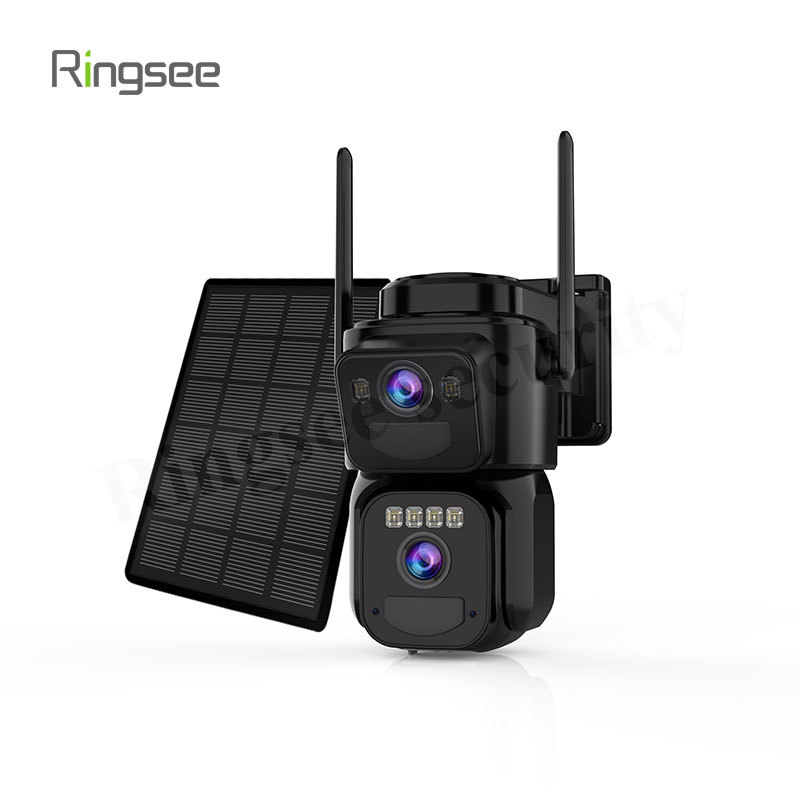
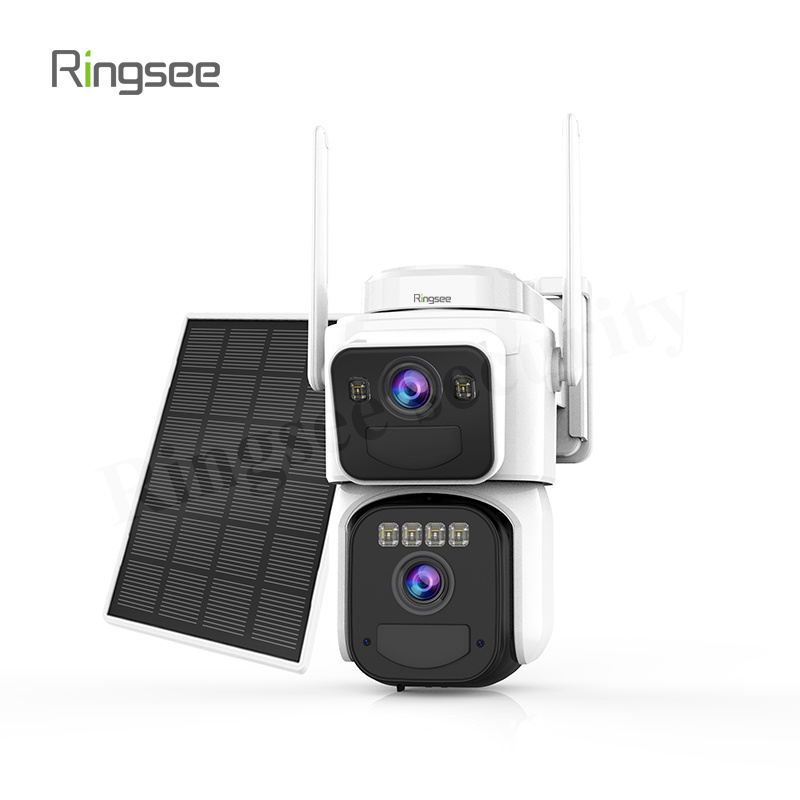
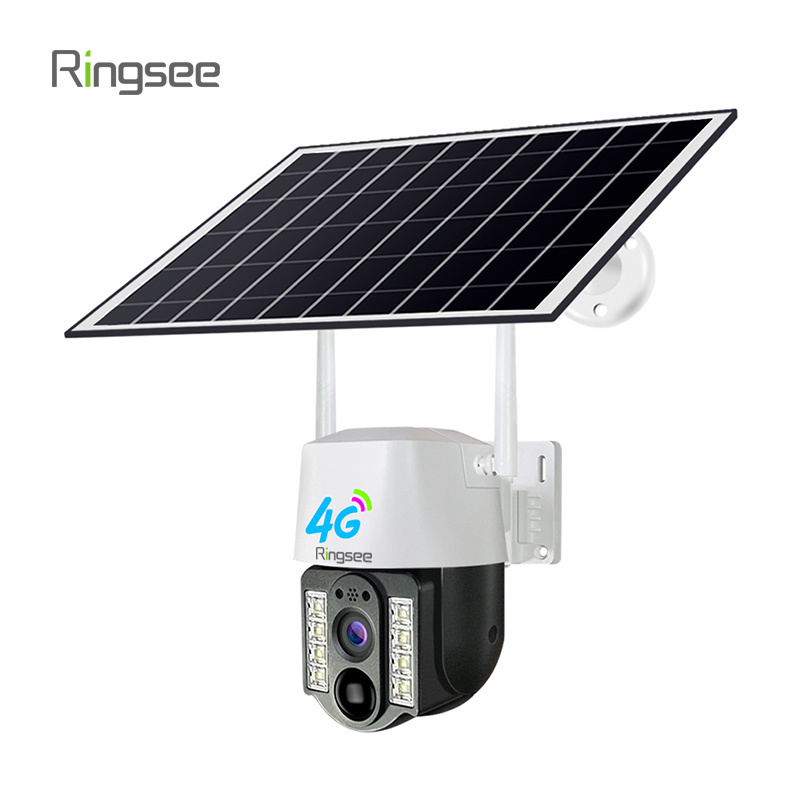
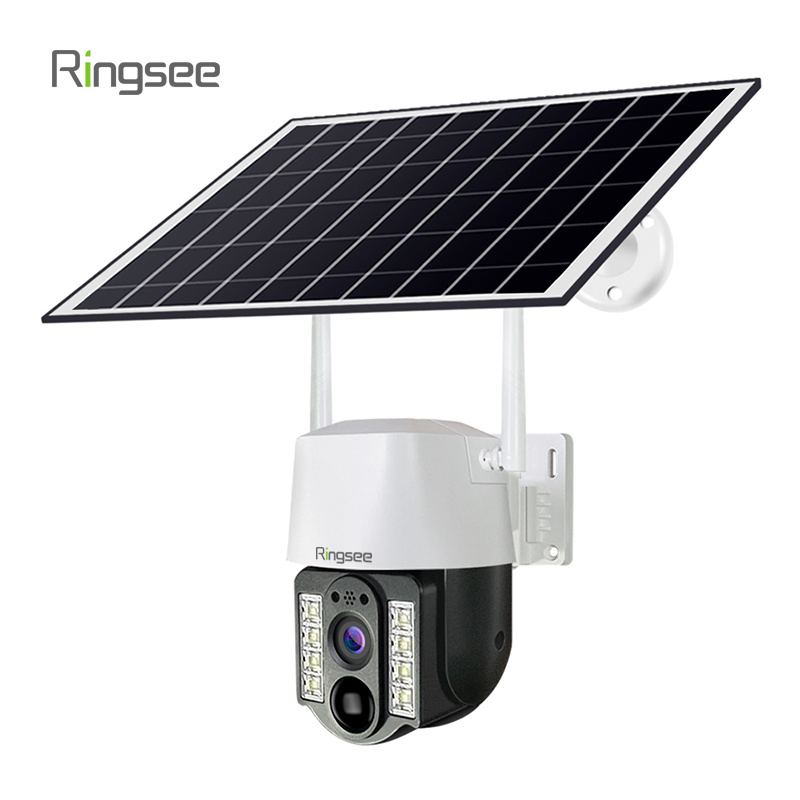
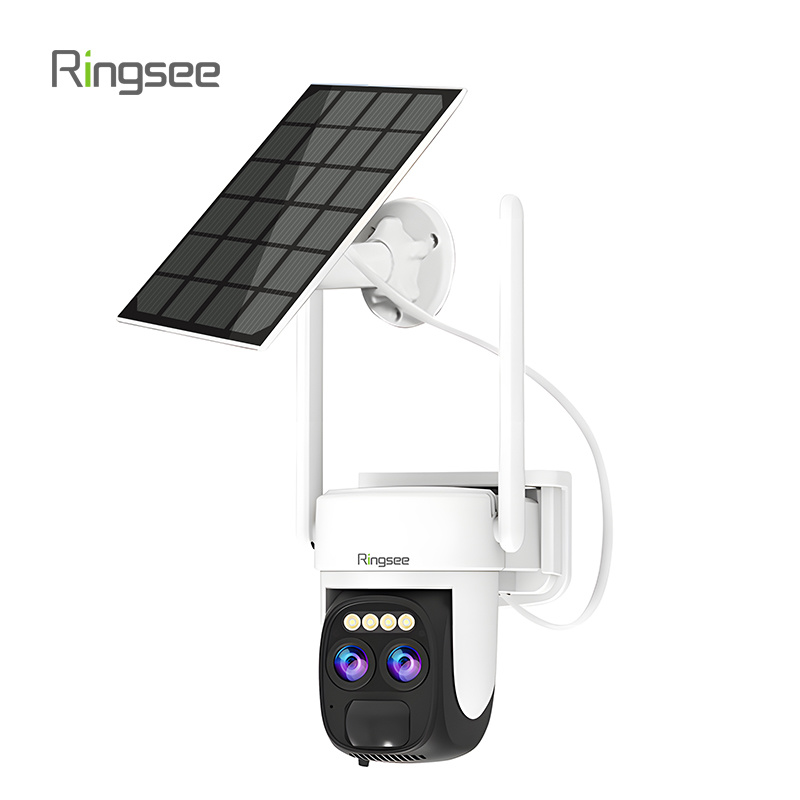
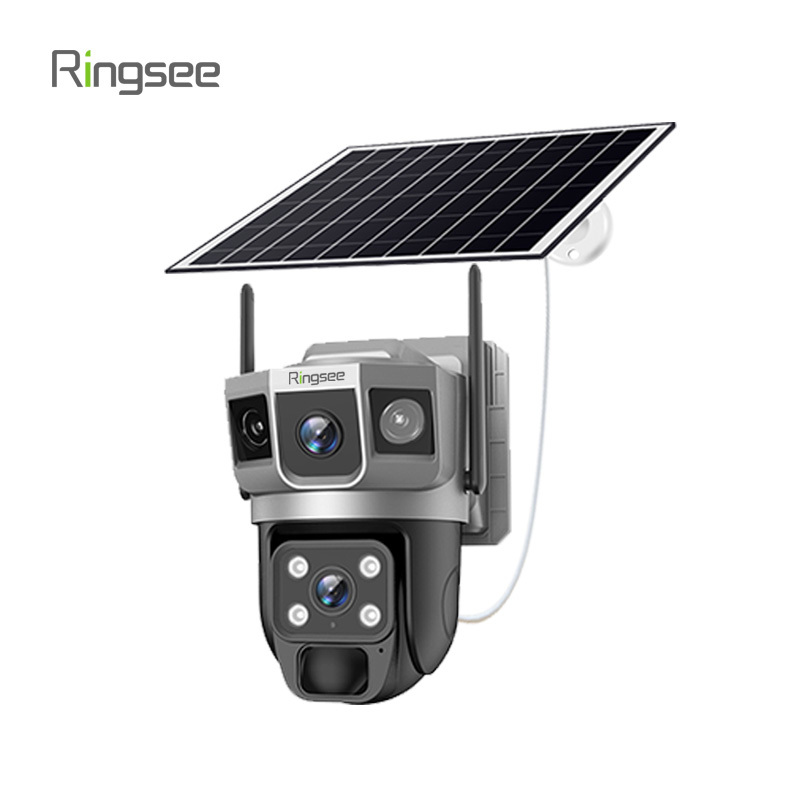
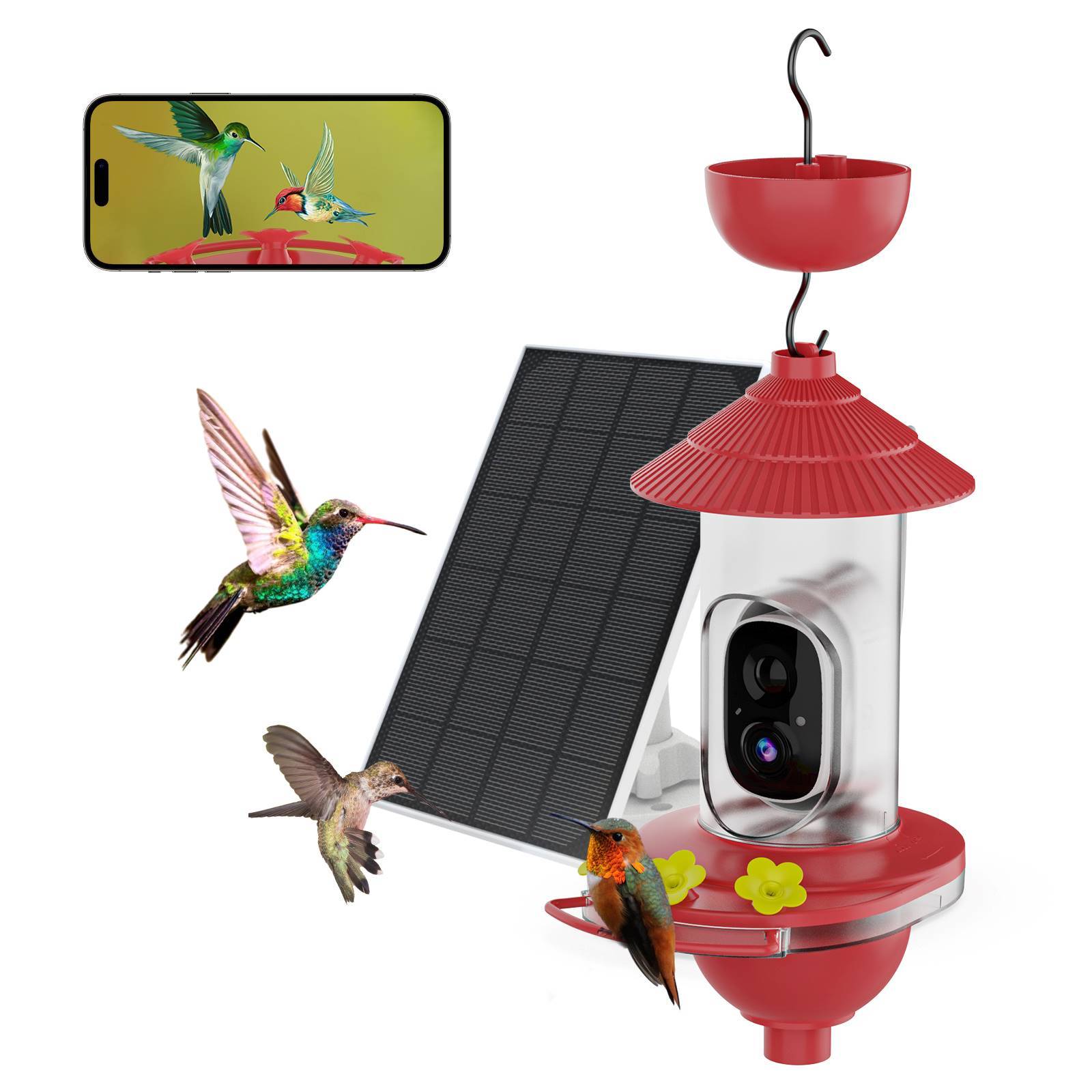
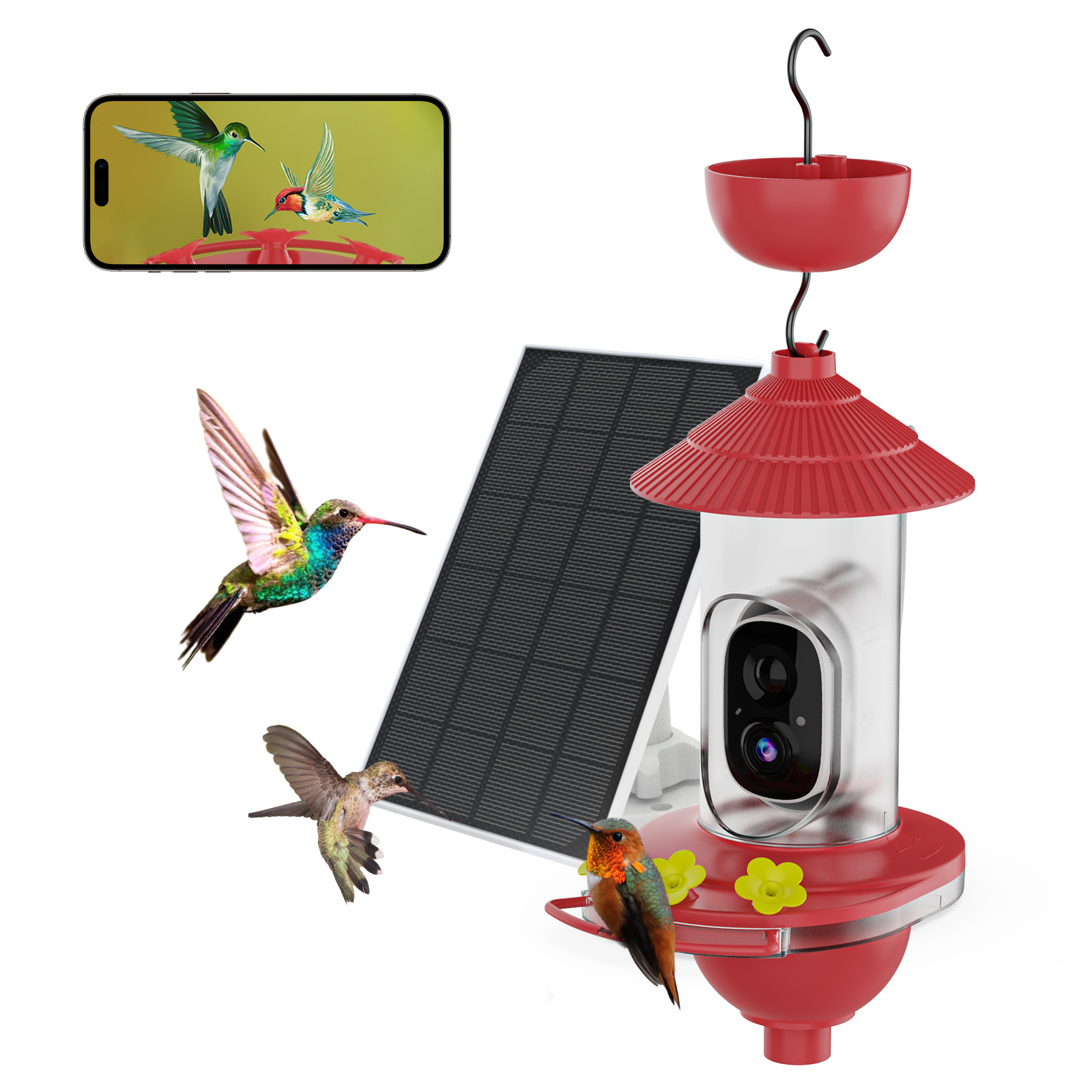
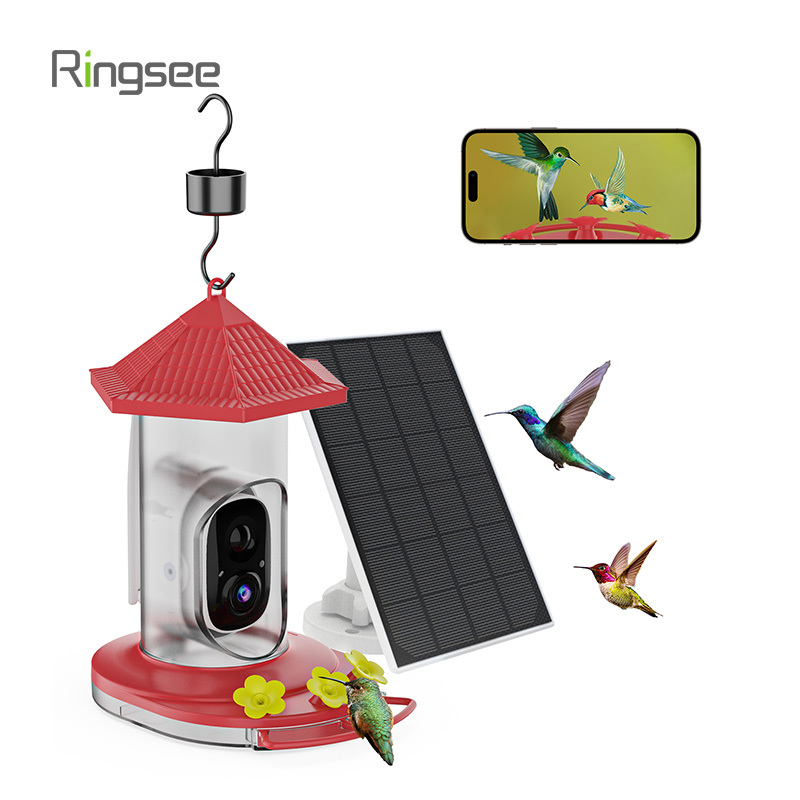
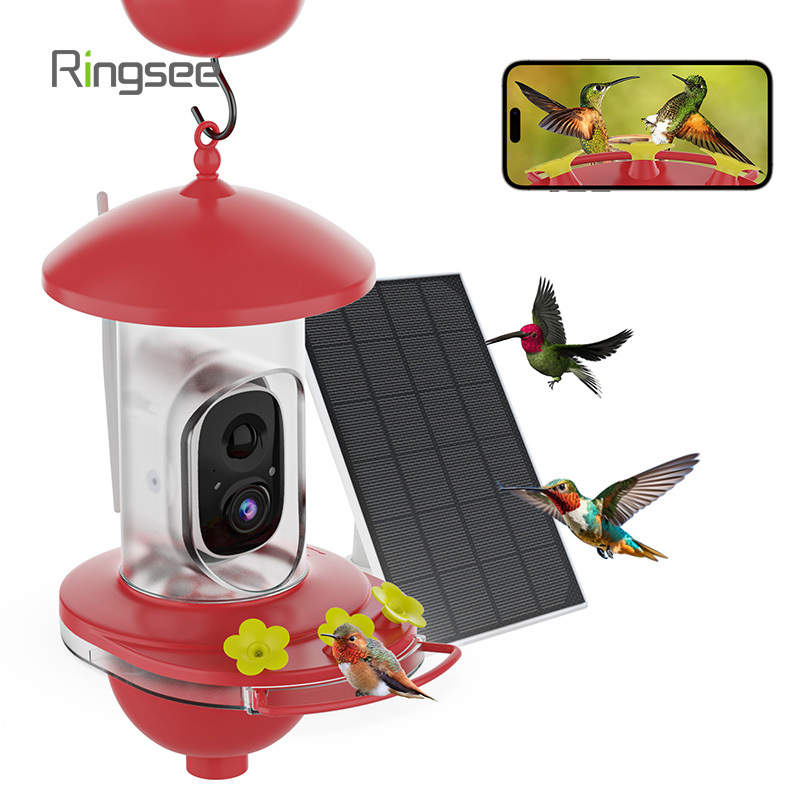
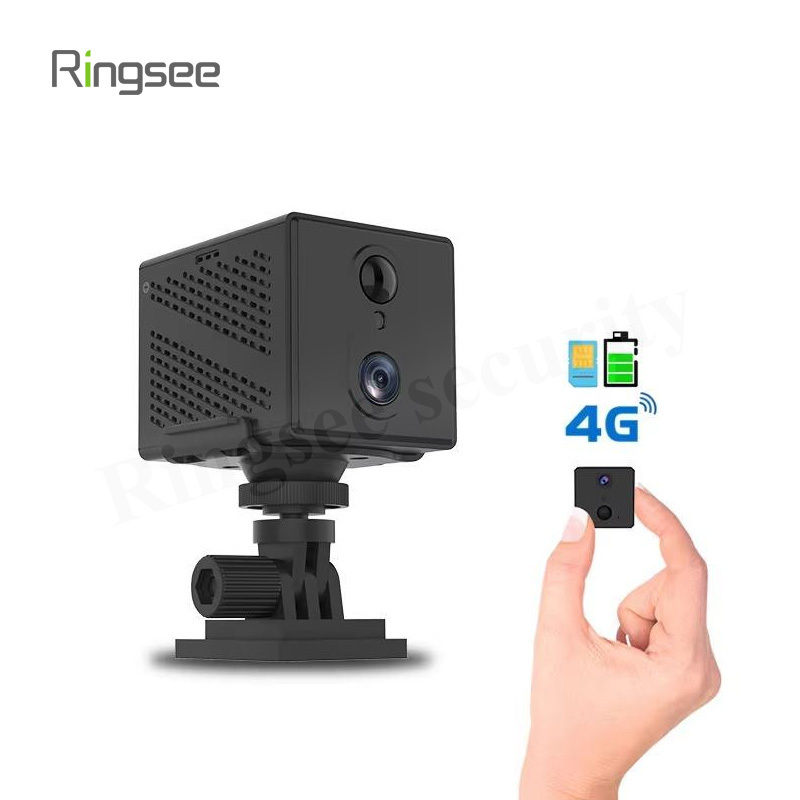
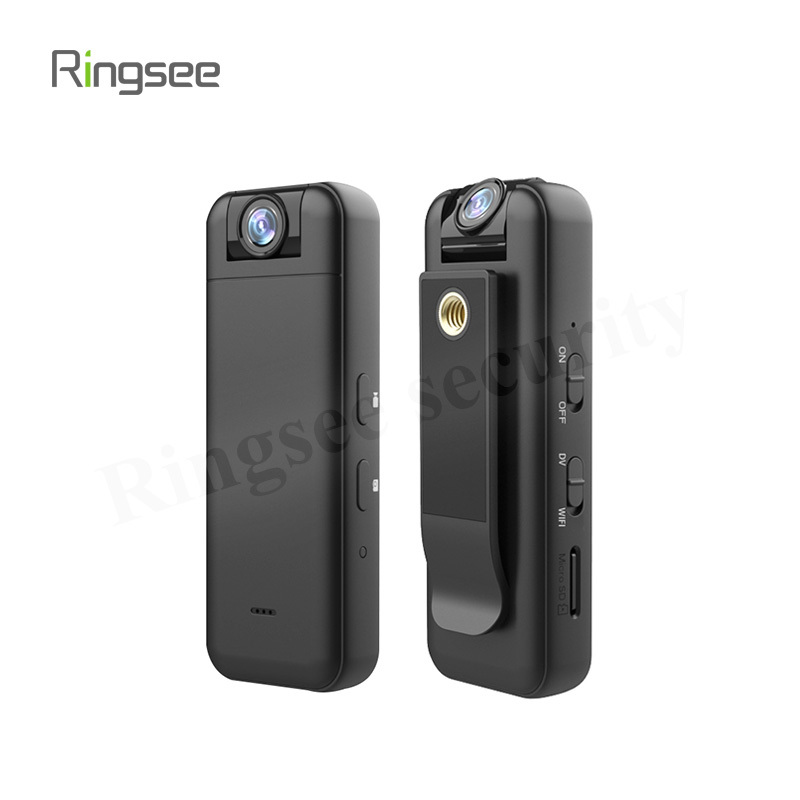
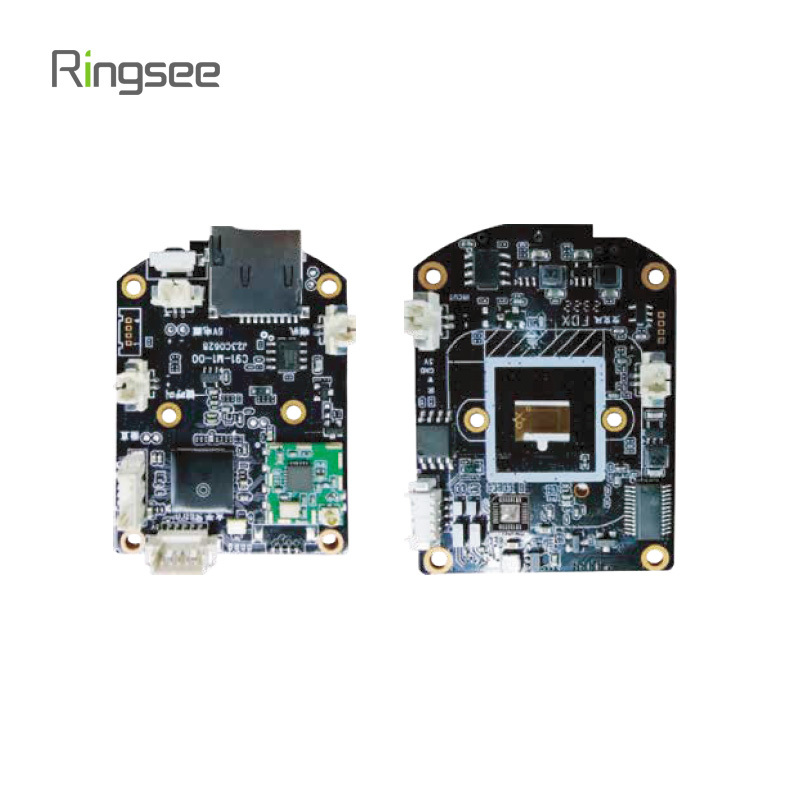
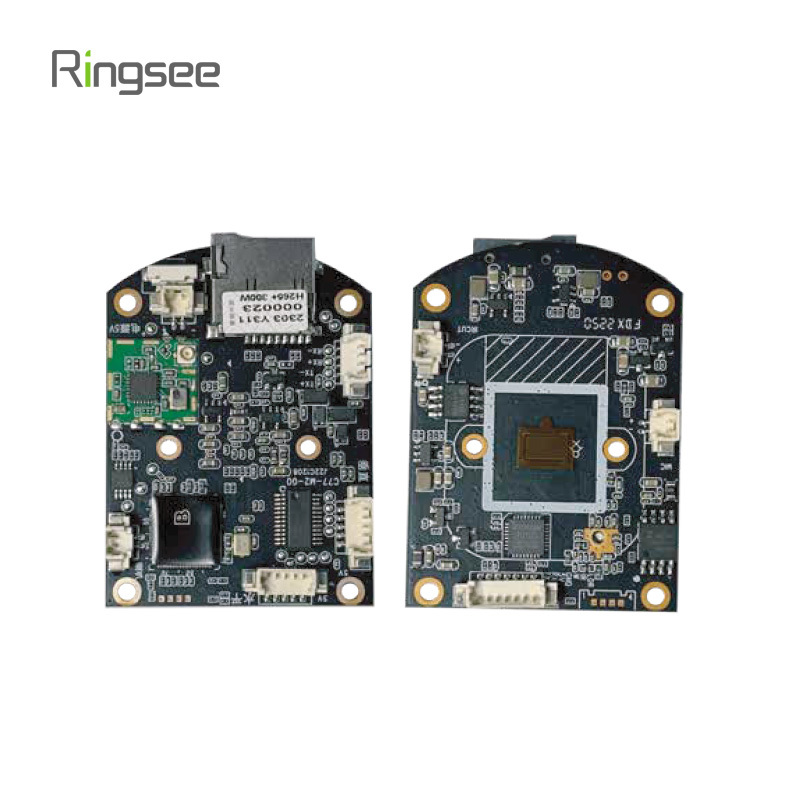
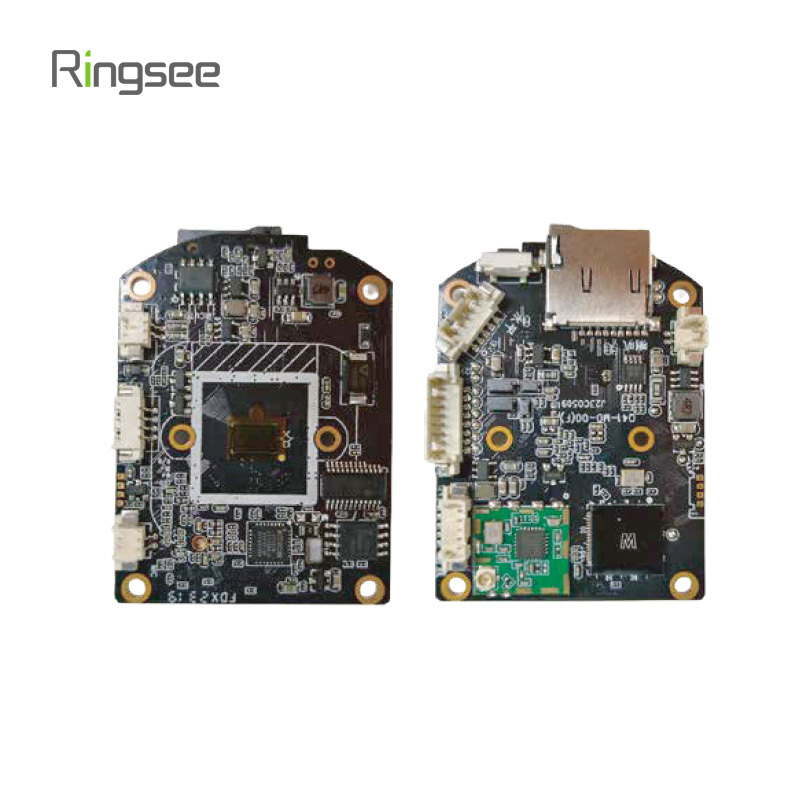
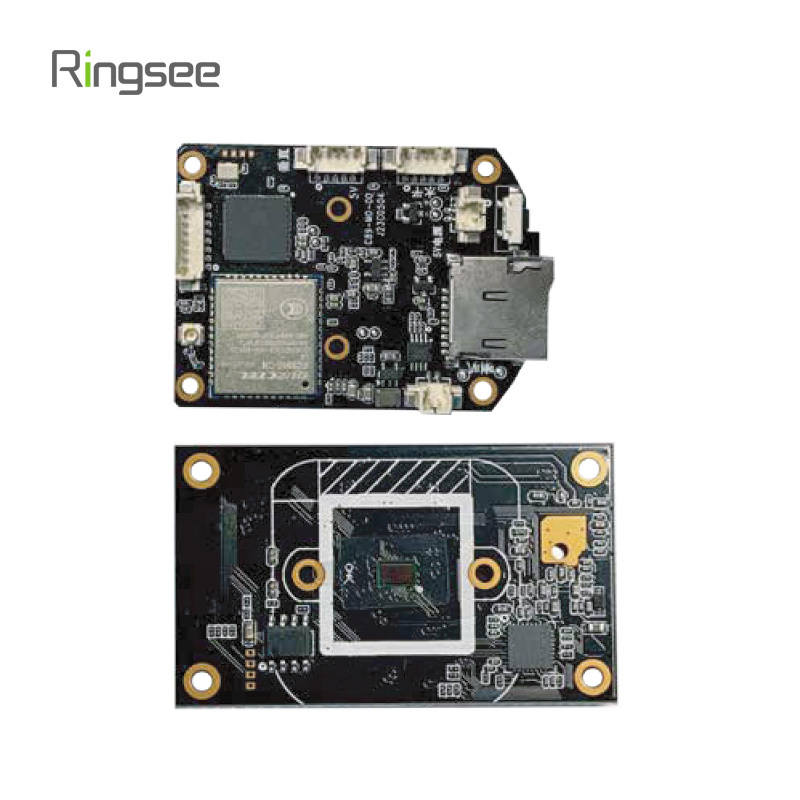
As a leading security camera manufacturer with over 15 years of experience, Ringsee has established itself as a strong OEM/ODM partner for 4G LTE trail cameras. The company integrates advanced AI features, solar-powered options, and long-lasting battery technology in its camera designs. With a strong focus on low-power, wireless surveillance solutions, Ringsee’s trail cameras are built to withstand harsh outdoor conditions and support remote real-time monitoring. Their customization service, fast delivery, and reliable after-sales support make them a preferred choice for international brands.
2. Shenzhen GJ Communications Technology Co., Ltd.
GJ Communications specializes in wireless communication and surveillance solutions, offering OEM services for 4G trail cameras with motion sensors, infrared night vision, and cloud compatibility. The company’s production line supports bulk orders, and its engineering team is experienced in creating private-label models for overseas clients. GJ's trail cameras are known for their signal stability and wide-range coverage.
3. Shenzhen Recon Technology Co., Ltd.
Recon Technology focuses on wireless video monitoring solutions and has developed a range of 4G LTE trail cameras suitable for hunting, wildlife research, and perimeter security. Their OEM models come with features like GPS, remote app control, and AI-based detection. Recon also provides customized firmware and packaging, making them a valuable OEM partner for brands targeting the outdoor and wildlife market.
4. Shenzhen Heyi Technology Co., Ltd.
Heyi Technology is a rising OEM manufacturer that concentrates on trail camera design and outdoor surveillance. Their 4G LTE trail cameras are well-regarded for image clarity, long standby time, and waterproof performance. Heyi provides full customization, including hardware configuration, housing design, and branding services, catering to clients seeking market-specific features.
5. Shenzhen Sunin Technology Co., Ltd.
Sunin Technology offers comprehensive OEM solutions for 4G LTE cellular trail cameras with advanced motion sensors, solar charging support, and app-based live viewing. The company emphasizes cost-efficiency without compromising quality. Their flexible production line is suited for small to medium-sized businesses entering the trail camera market.
Conclusion
Choosing a reliable OEM manufacturer is essential for brands looking to develop or expand their trail camera product line. The above five companies represent the best in China for 4G LTE cellular trail cameras, each offering a unique combination of innovation, customization, and manufacturing expertise. Whether you’re looking for AI features, solar power integration, or long-range connectivity, these manufacturers provide a solid foundation for building competitive outdoor camera products.
Related News
PoE was power. This is control: CCTV Network Security Hardening Guide
Short answer: video systems get breached the boring way, not through clever exploits - (1) factory default credentials never changed, (2) camera or NVR management ports forwarded to the public internet, (3) no separation between the CCTV network and the office LAN. Do three things: replace every default account and disableTelnet/FTP/UPnP/raw RTSP; put cameras in their own VLAN and only allow the NVR to initiate sessions; and reach video over VPN or a zero-trust gateway instead of a port mapping.
Oct 03,2026
PoE Power Design Guide for Security Cameras: Power Budget, Cable Voltage Drop and Distance Limits
Most "cameras keep restarting at night" incidents are not camera defects — they are power design errors. Three root causes cover the overwhelming majority of PoE failures: the power budget was sized on daytime draw instead of night peak, the cable is too thin so voltage drop exceeds the device undervoltage threshold, and the run simply exceeds the 100-metre channel limit. Memorise three numbers and you avoid most of the traps: 802.3af delivers 15.4 W, 802.3at delivers 30 W, and cable reach stops at 100 m.
Oct 03,2026
Bitrate (Mbps) is the single parameter that determines hard drive size, switch selection, and remote-viewing smoothness. Two formulas answer everything: storage per camera per day (GB) ≈ bitrate × 10.8, and total bandwidth = sum of simultaneous bitrates × 1.3 headroom. This guide covers encoding, calculation, and procurement sizing.
Sep 26,2026
CCTV Night Vision Technology Explained: Infrared vs Starlight Full-Color vs Hybrid Light
Three night vision routes and their real limits: 850nm vs 940nm infrared (red glow and range trade-offs), the lux threshold of true starlight cameras (0.001-0.005 lux), light-pollution risks of warm-light supplement, and AI-triggered hybrid switching — plus a six-point datasheet verification method and a 20-minute night PoC test.
Sep 26,2026
CCTV Lens Selection Technical Guide: Focal Length, Pixel Density & the DORI Standard in Practice
Why can't a 4K camera read faces? Because identification depends on pixel density, not total pixels. Using the EN 62676-4 DORI standard, this guide gives the full focal-length / distance / field-of-view formulas, a lens selection lookup table, and the real impact of sensor size and aperture on night vision.
Sep 19,2026
Links:One Belt Power Technology
Add: 14th Floor, Baoshan Building, Longhua District, Shenzhen China.
Privacy Policy | SEO | CitySite | Support: 300.cn Dongguan