


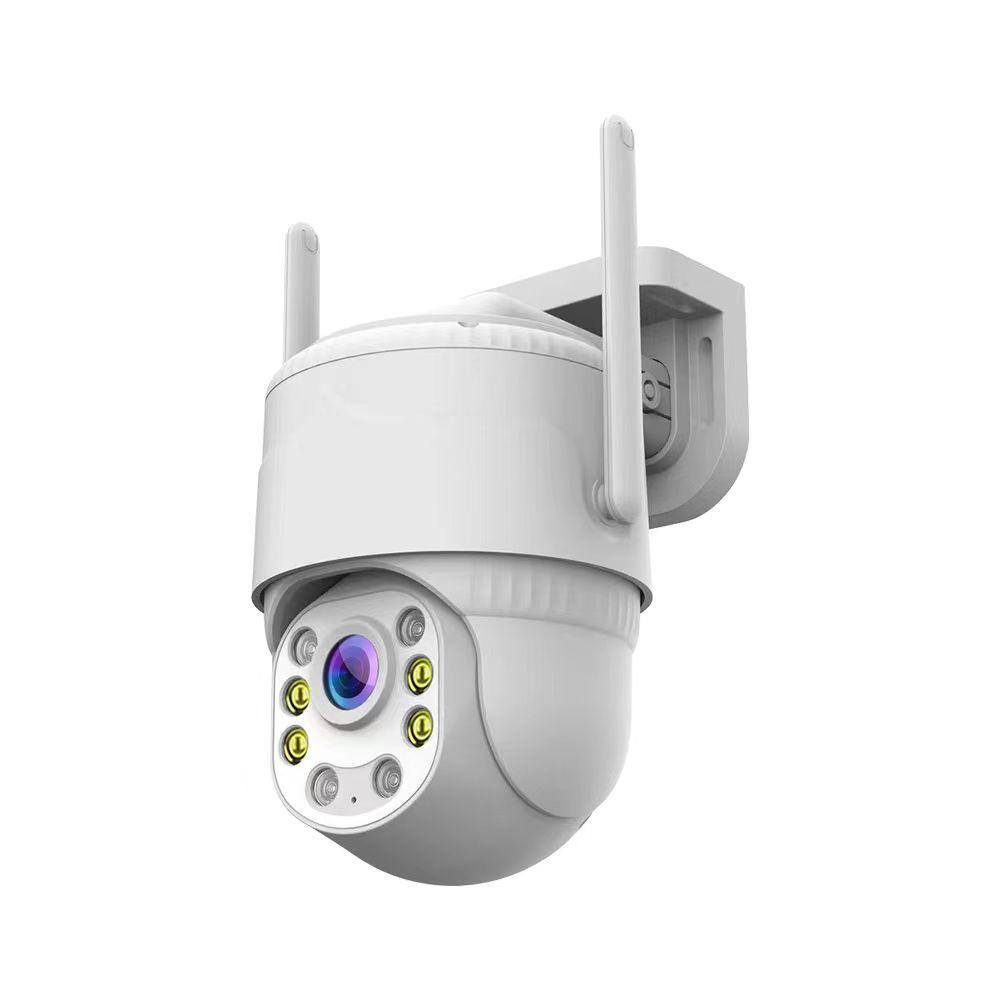
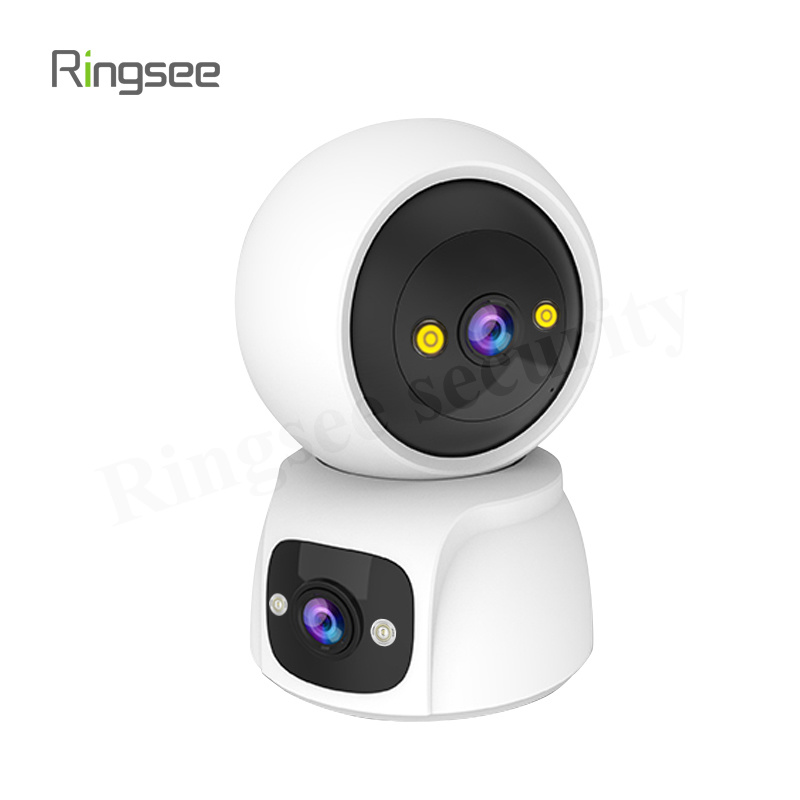
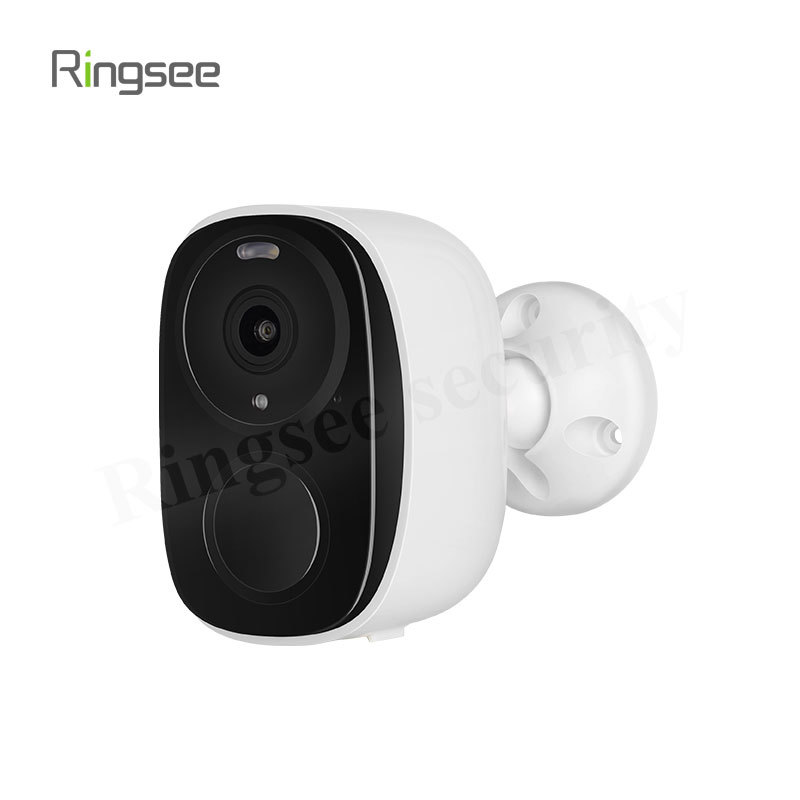
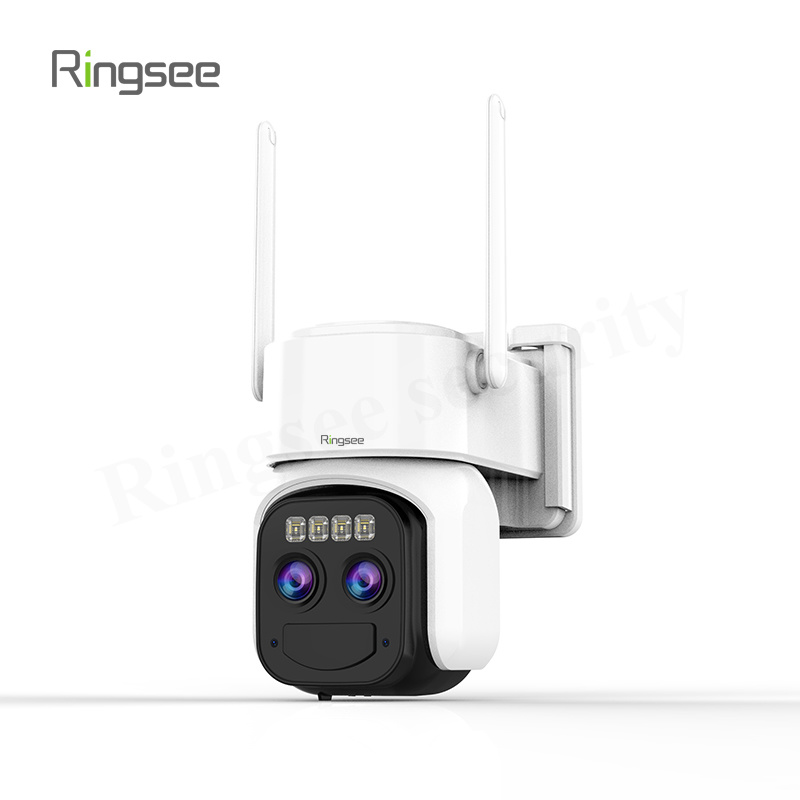
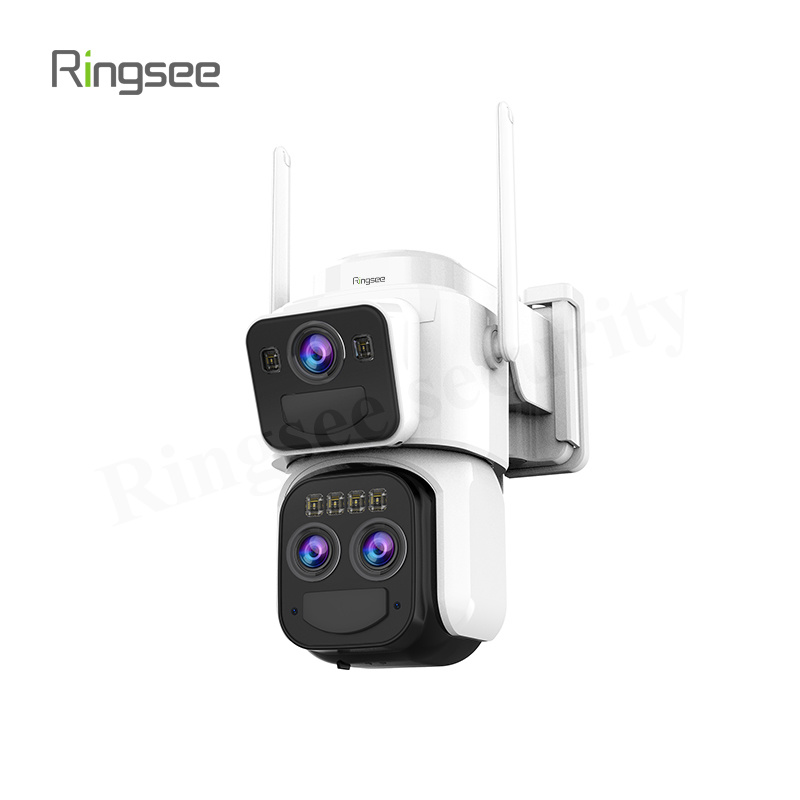
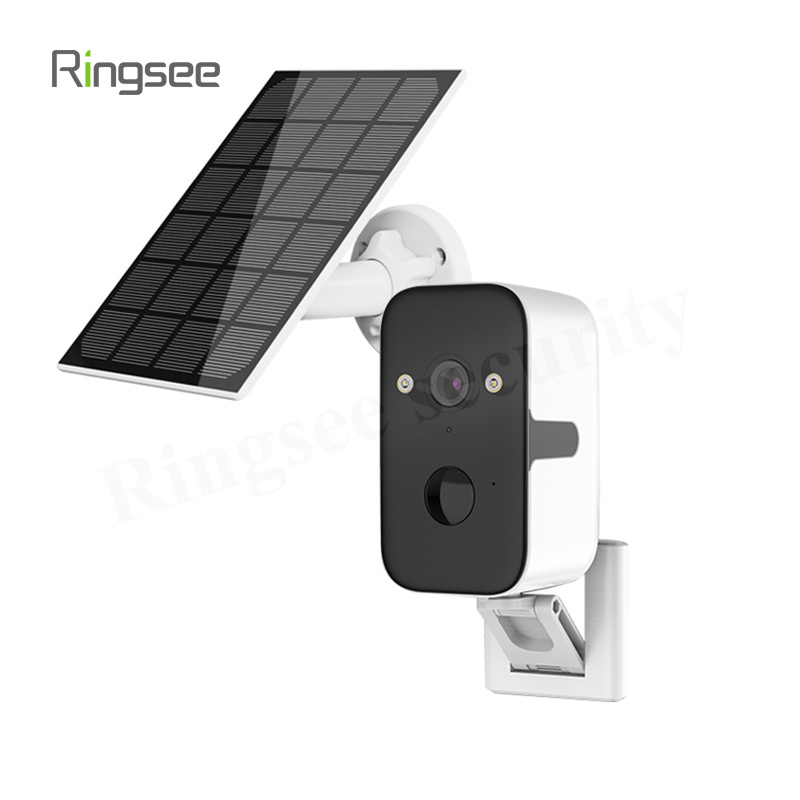
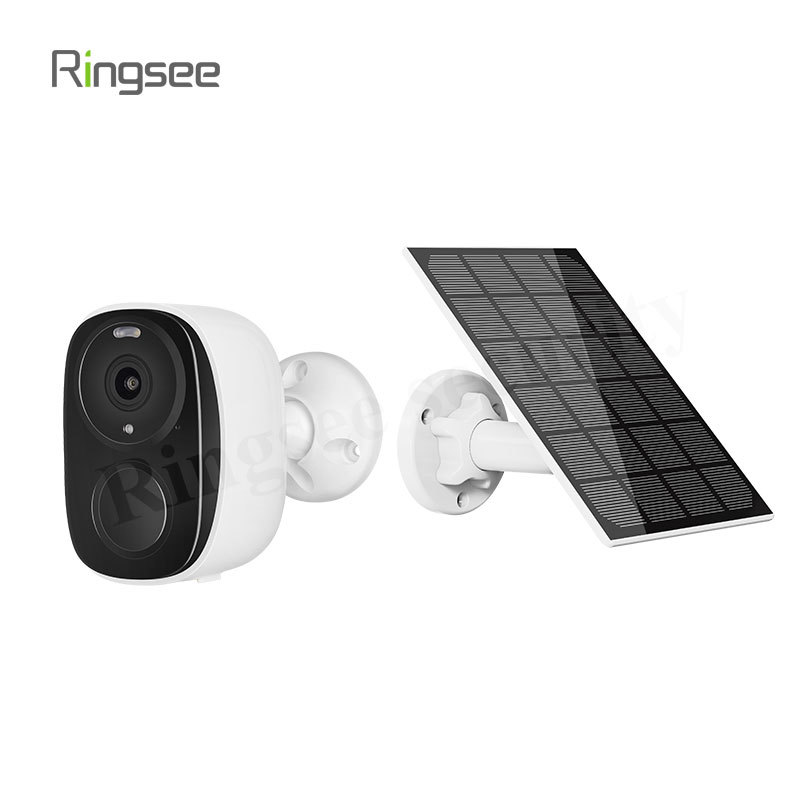
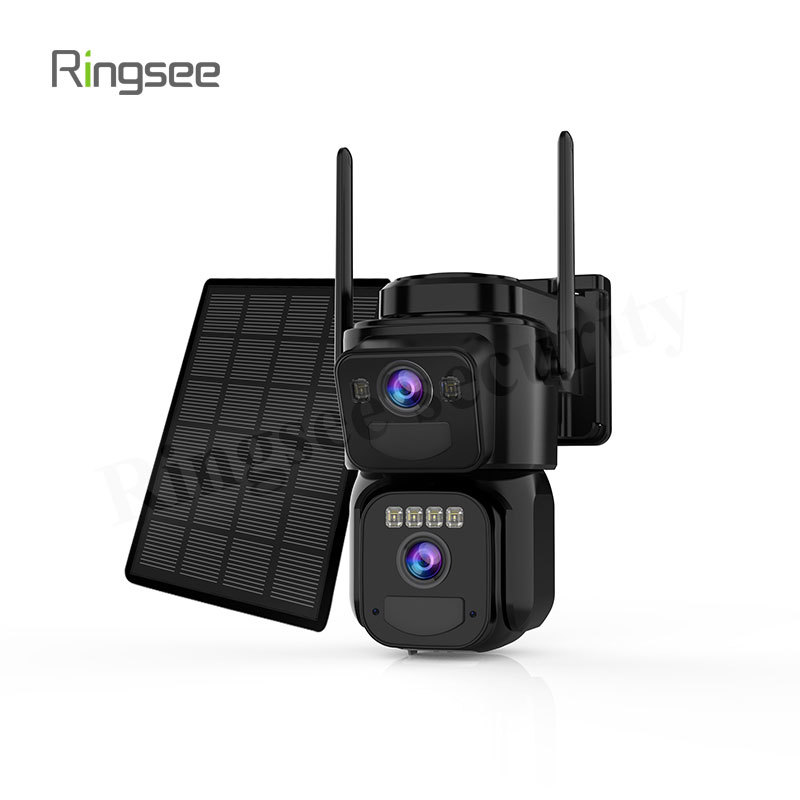
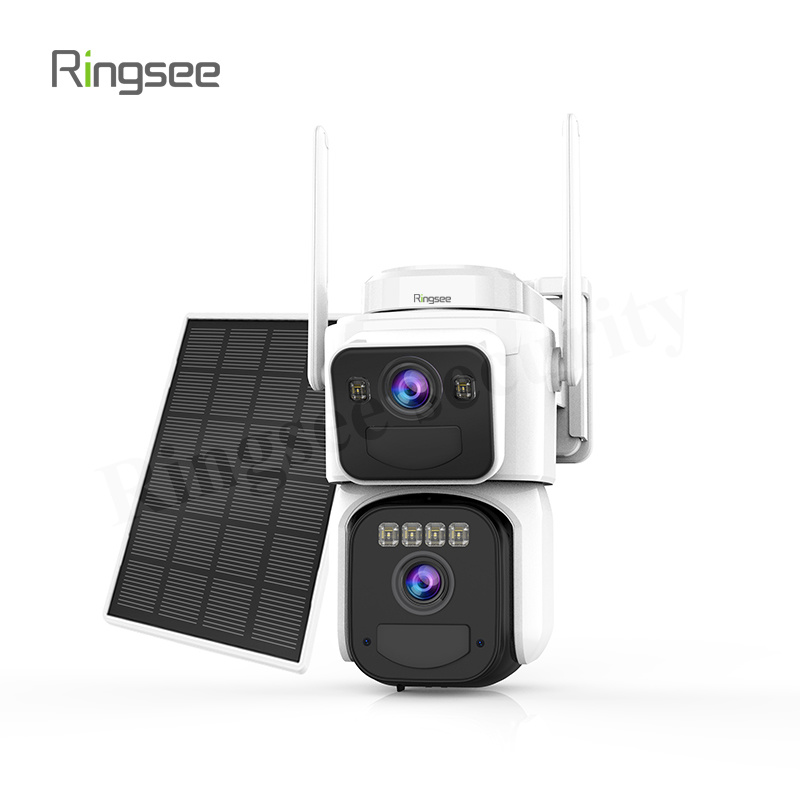

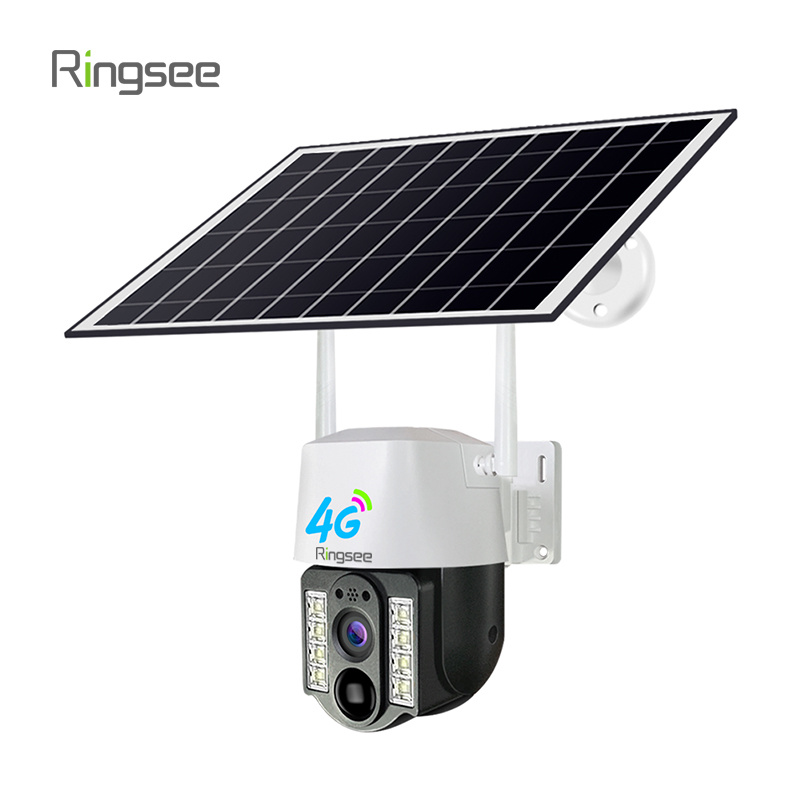











AOV (Always on Video): Breakthrough Low-Power Home Security Camera Technology
Publish:
2025-08-07 10:14
Source:
https://www.ring-see.com
Discover how AOV (Always-on-Video) low-power surveillance cameras combine AI-powered 24/7 monitoring, solar + battery dual power, and intelligent storage to deliver up to 90 days of uninterrupted home security. Explore market insights and why this innovation leads the smart surveillance trend.
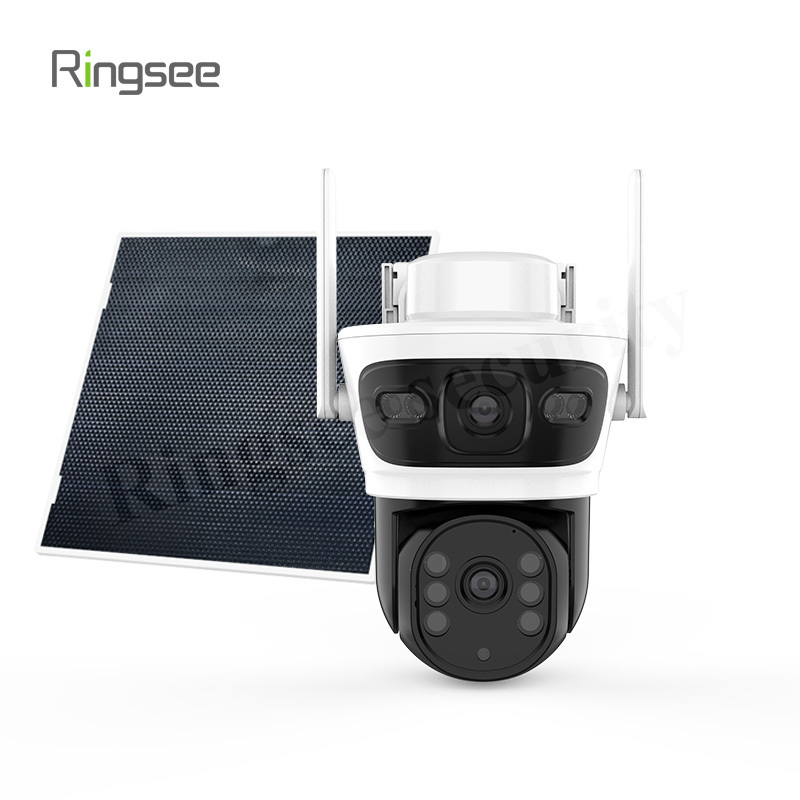
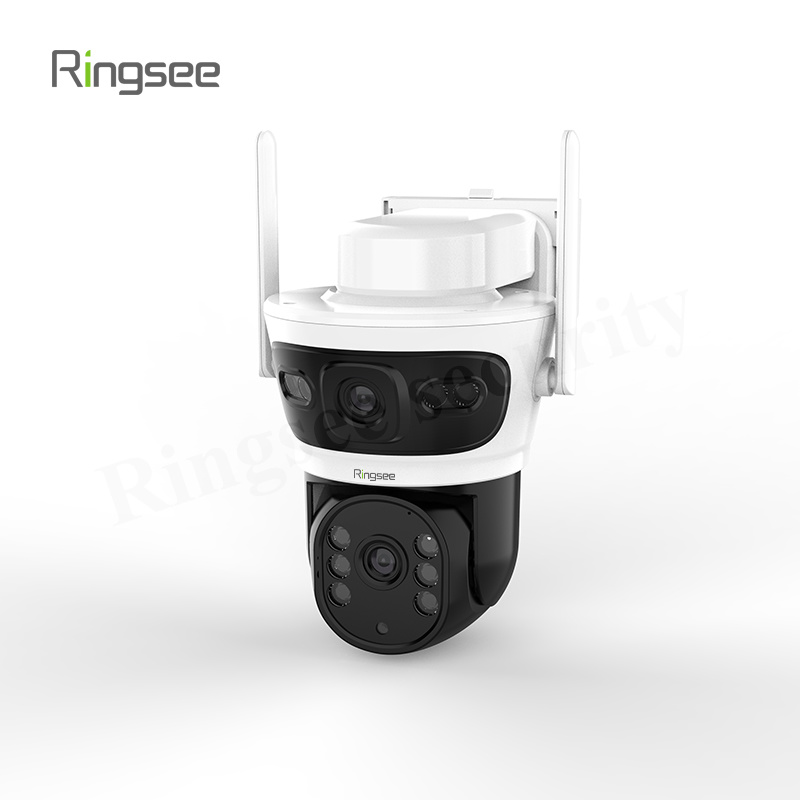
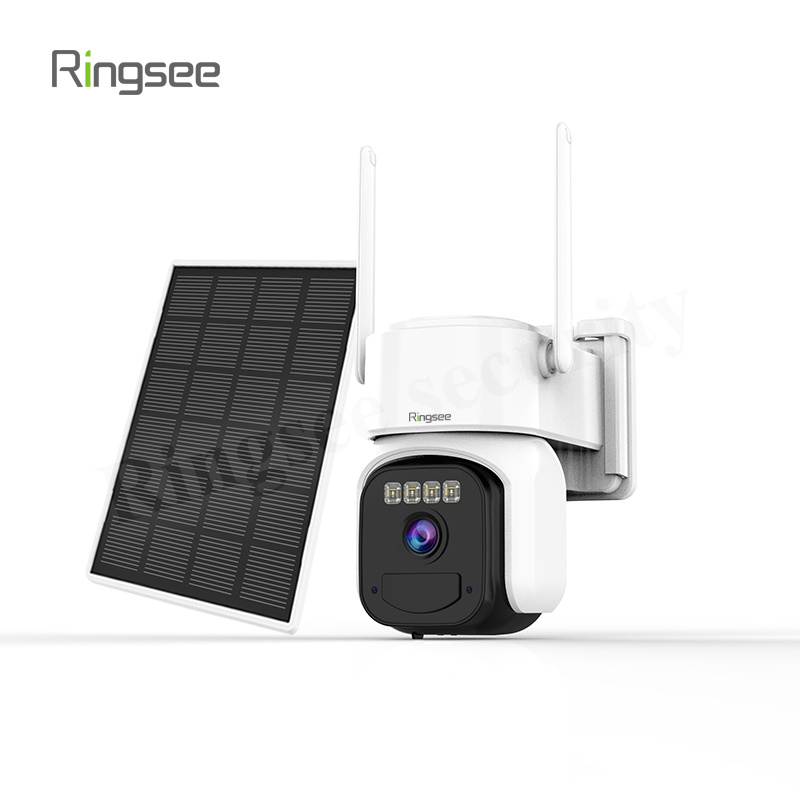
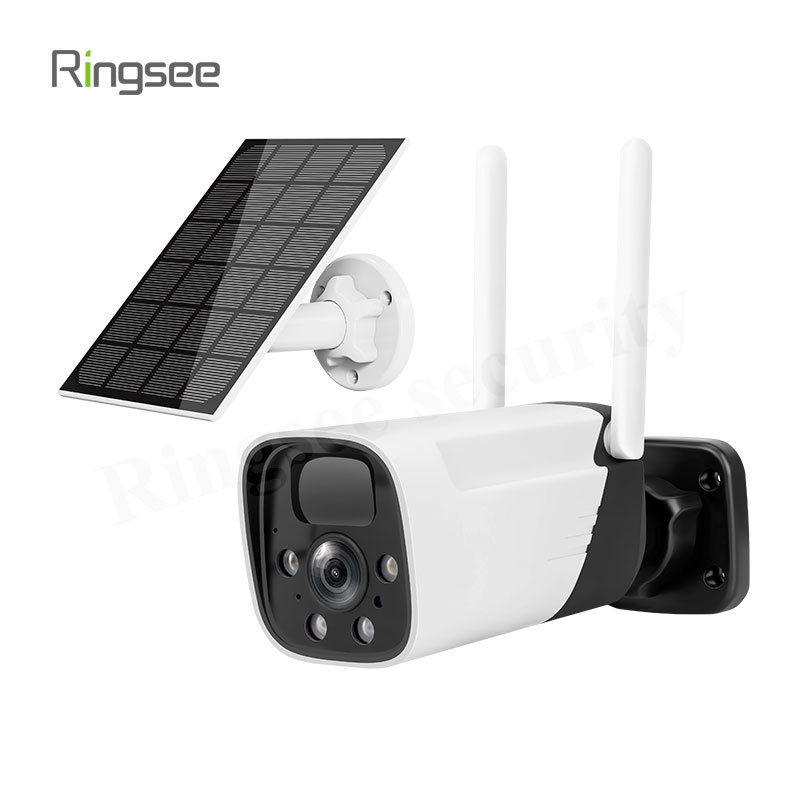
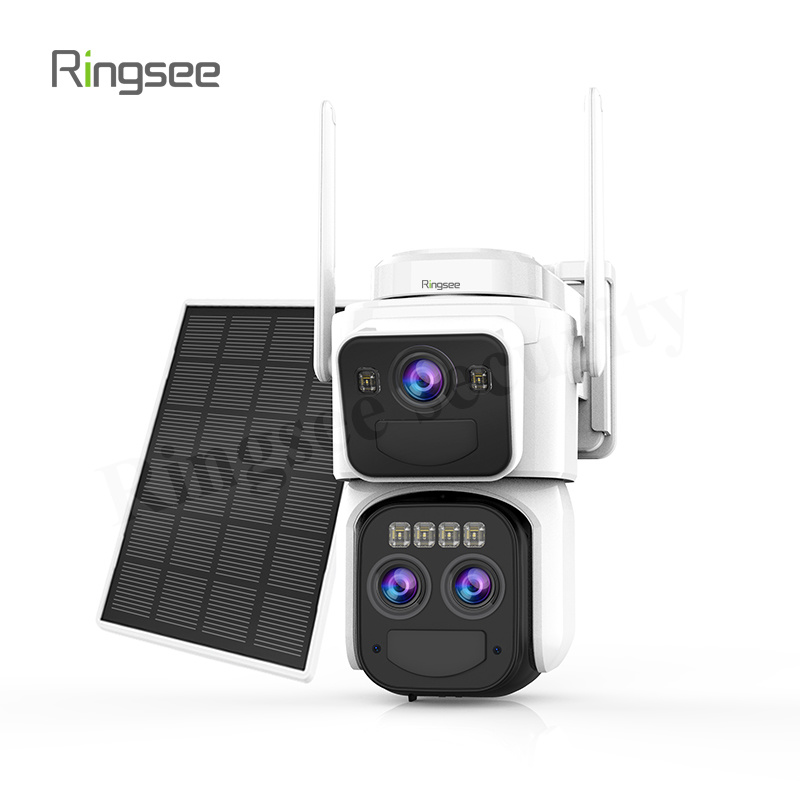
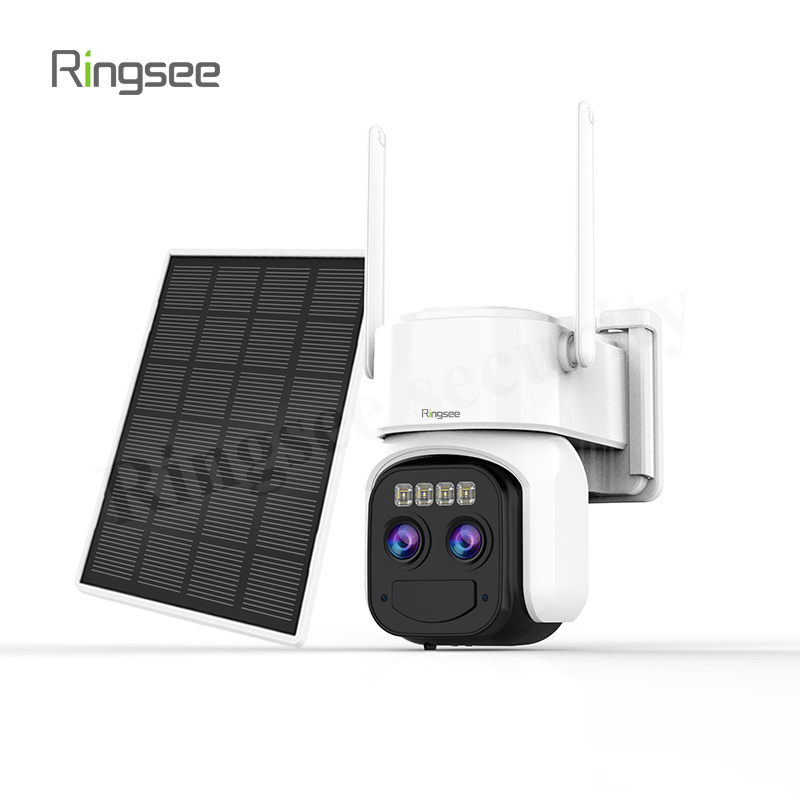
The AOV (Always on Video) low-power home surveillance camera achieves an exceptional balance between 24/7 monitoring and long battery life through an innovative system architecture. Its core technical principles can be summarized as follows:
Core Operating Principles
1. Ultra-Low Frame Rate Continuous Capture
The system continuously captures footage at a super low frame rate of 0.5–1 frame per second. This forms a complete "visual log" on the timeline and eliminates the risk of missed events often caused by PIR (Passive Infrared) sensors’ delayed triggering.
2. Dynamic Mode Switching
When the built-in AI algorithm detects human movement, vehicles, or abnormal activity, it instantly switches to a high-definition recording mode at 25 frames per second, ensuring the entire event is fully captured.
3. Intelligent Storage Optimization
During non-event periods, only key frames are saved. When an event is triggered, full video streams are recorded. This approach reduces storage usage by up to 50% compared to traditional solutions.
Market-Leading Innovation Amid Strong Demand Growth
The global smart home security camera market is forecasted to grow from USD 9.98 billion in 2024 to USD 30.10 billion by 2030 with a CAGR of 20.7% .(Grand view Research)
The broader security camera market is projected to go from USD 13.95 billion in 2025 to USD 30.14 billion by 2030, driven by AI integration, IP migration, and service-based models
Residential adoption is outpacing commercial segments, with wireless and smart-enabled solutions now dominating 68% of consumer preferences
Typical Application Scenarios
Yard Surveillance
Detects activity at distances up to 30 meters, resistant to rain and wind.
Baby Monitoring
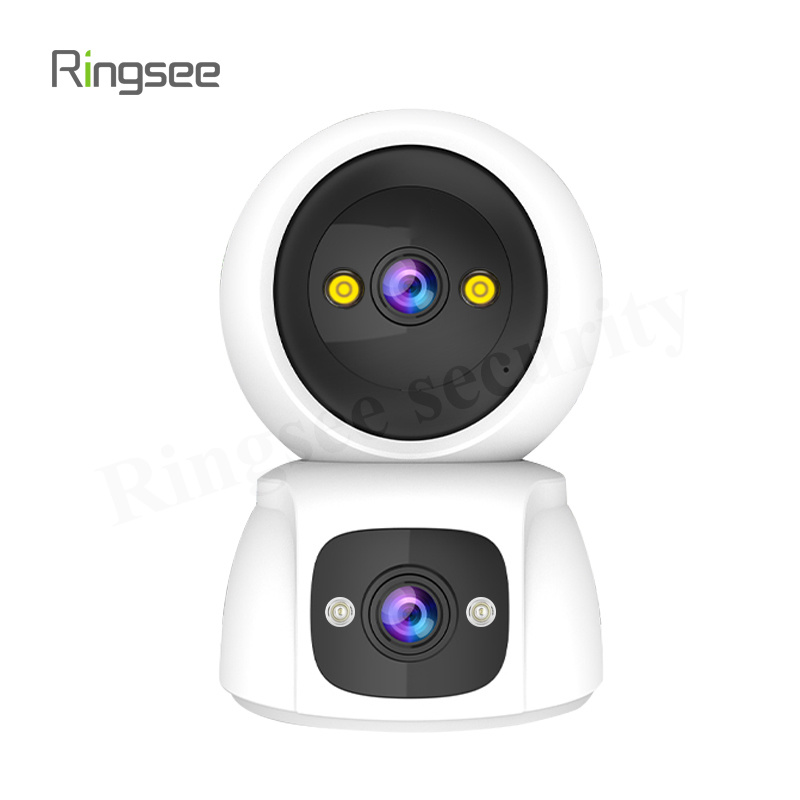
Supports cry detection and temperature/humidity alerts (specific models only).
Outdoor Security户
IP66-rated weatherproof design with stable operation in extreme temperatures (-30°C to 60°C).I
Key Technological Innovations
| Module | Implementation | Performance Comparison |
|---|---|---|
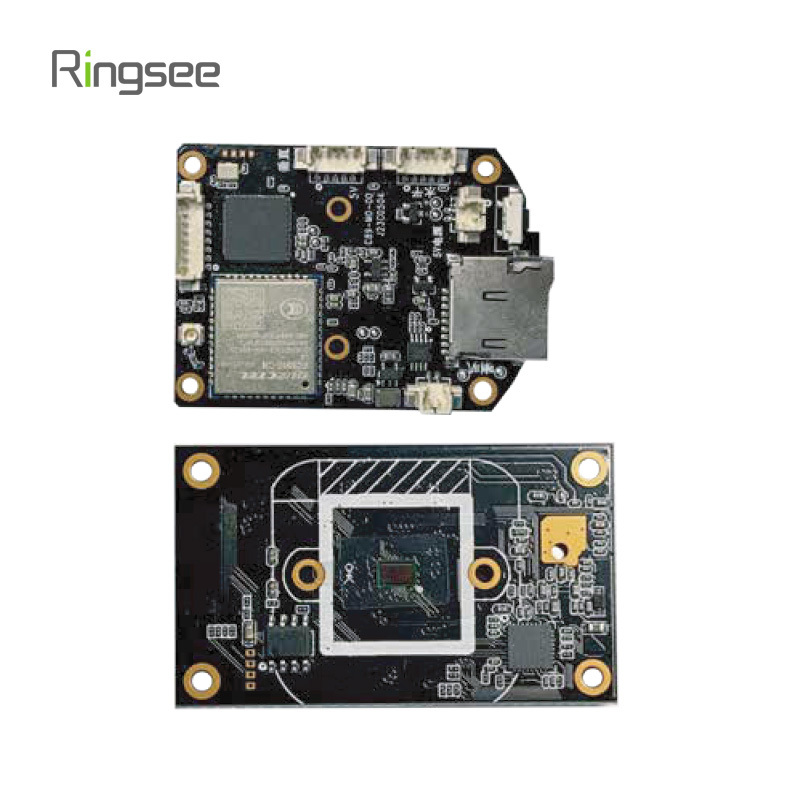
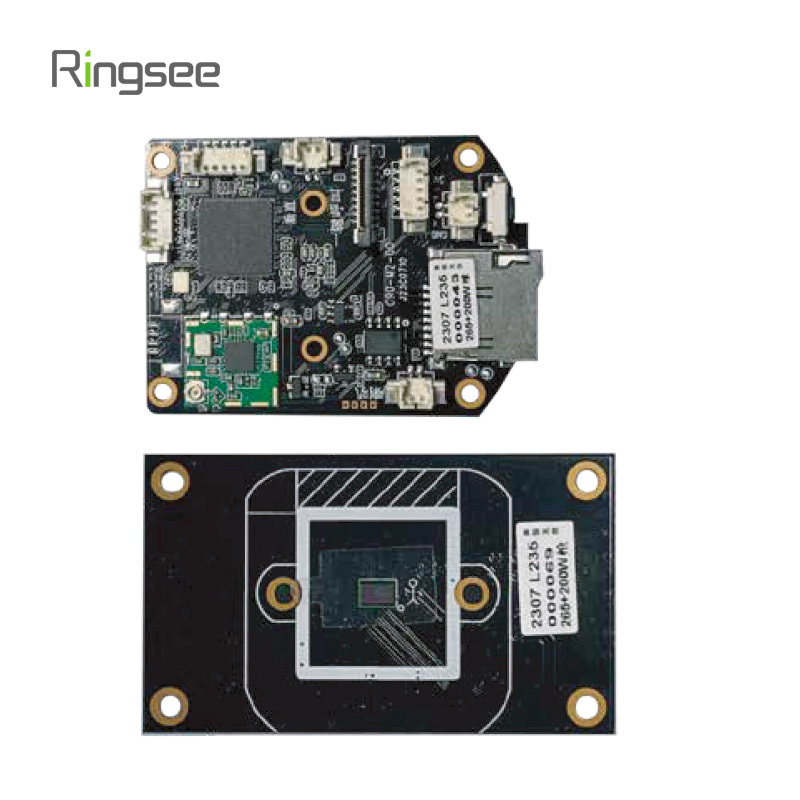
| Chip-Level Power Management | Custom SOC integrating DDR memory and ISP processor with dynamic power domain control | Standby power as low as 40mW—only 1/5 of traditional solutions |
| Edge AI Analysis | Lightweight neural networks run at the sensor level for human/vehicle classification and anomaly detection | False alarm rate < 5%, Wake-up success rate 98% |
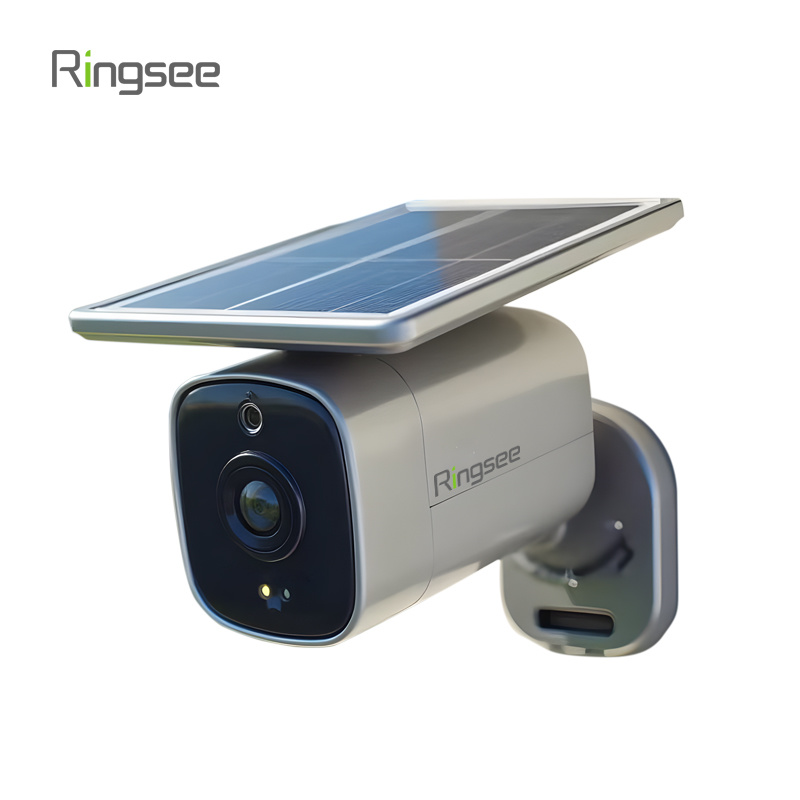
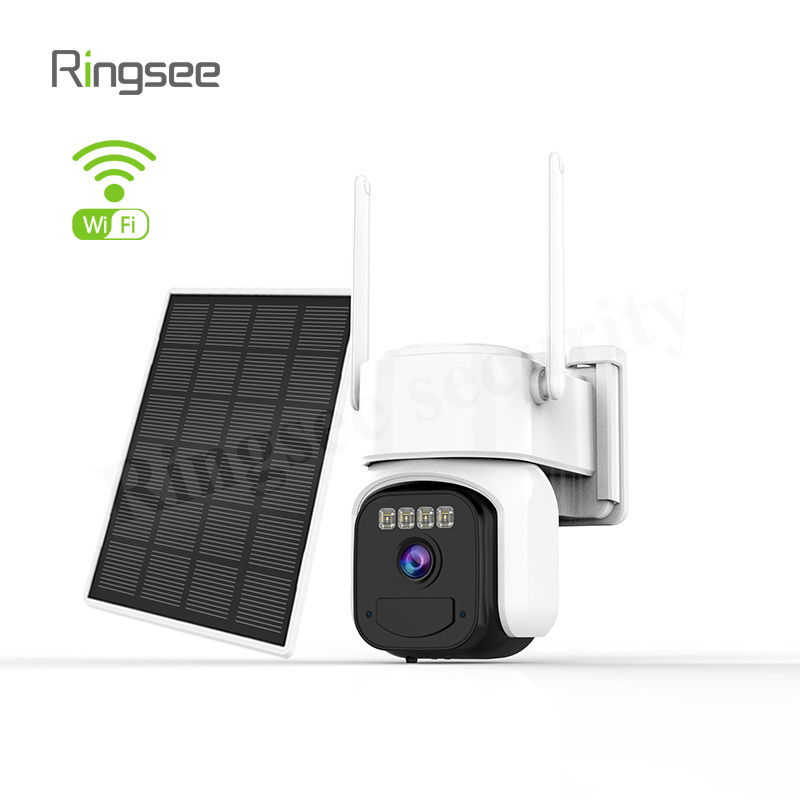
| Energy System | Dual power supply: 5W solar panel + 10,000mAh battery, combined with dynamic bitrate compression | Battery life of up to 90 days (based on 6 events/day in real-world use) |
Technology Evolution Comparison
First Generation PIR Technology
Relied on infrared sensors to trigger recording—prone to missed events and lacked continuous video.
Second Generation AOV Technology
AI-powered continuous monitoring. Although battery life is shorter, functionality is significantly more advanced.
Conclusion
AOV (Always on Video) low-power surveillance cameras represent a breakthrough in balancing functionality and energy efficiency. By combining algorithmic foresight with hardware collaboration, AOV has emerged as a mainstream solution for modern home security.
Related News
Target readers: security owners, system integrators, and EHS engineers for petrochemical, oil and gas, pharmaceutical, powder processing, and coal mining sites where explosive gas or combustible dust exists. Core takeaway: a normal camera is itself an ignition source in flammable environments. You must use explosion proof cameras certified to ATEX, IECEx, or China Ex, selected by hazard zone, installed with proper grounding, and documented for compliance. This guide gives a reusable selection, install, and acceptance workflow.
Nov 08,2026
4G 5G Cellular Surveillance Camera Guide: Remote Video without Broadband
Target readers: security owners and integrators for farms, orchards, fisheries, construction, oil and mining sites, vehicle fleets, and remote African villages where broadband is scarce. Core takeaway: when there is no fiber, no broadband, and frequent power loss, a SIM card cellular camera is the easiest and most scalable remote video option. This guide gives a reusable architecture covering power, data, backhaul, AI, and compliant deployment.
Nov 08,2026
Analog CCTV Upgrade Guide: Coax HD Reuse vs Full IP Rebuild, Cost and Timeline Compared
Factory, campus and retail chains running analog surveillance for five or six years face the same wall: blurry images, unretrievable footage, and no path to AI analytics on legacy hardware. This guide breaks down pre-upgrade system inventory, compares the coax-HD reuse route against a full IP rebuild, gives bandwidth and storage recalculation formulas, and lays out a zoned, non-disruptive cutover plan with a selection checklist.
Oct 31,2026
CCTV Maintenance Outsourcing: SLA Tiers, Market Rates, KPI and Contract Playbook
Conclusion first: the real cost of a surveillance system is in its operation. Three years of maintenance typically equals 30% to 50% of the build cost, yet most buyers spend the budget at install and leave operation to whoever happens to notice. Lock the maintenance boundary while signing the build contract. This guide breaks down the in-house versus outsourced decision model, a three-tier SLA (P1 / P2 / P3), per-point market rates and how to read a quote, the two KPIs that decide payment (camera online rate and footage integrity), the five clauses every contract must hold, the 90-day handover that most often loses control, plus a selection checklist and acceptance tests.
Oct 25,2026
Links:One Belt Power Technology
Add: 14th Floor, Baoshan Building, Longhua District, Shenzhen China.
Privacy Policy | SEO | CitySite | Support: 300.cn Dongguan