
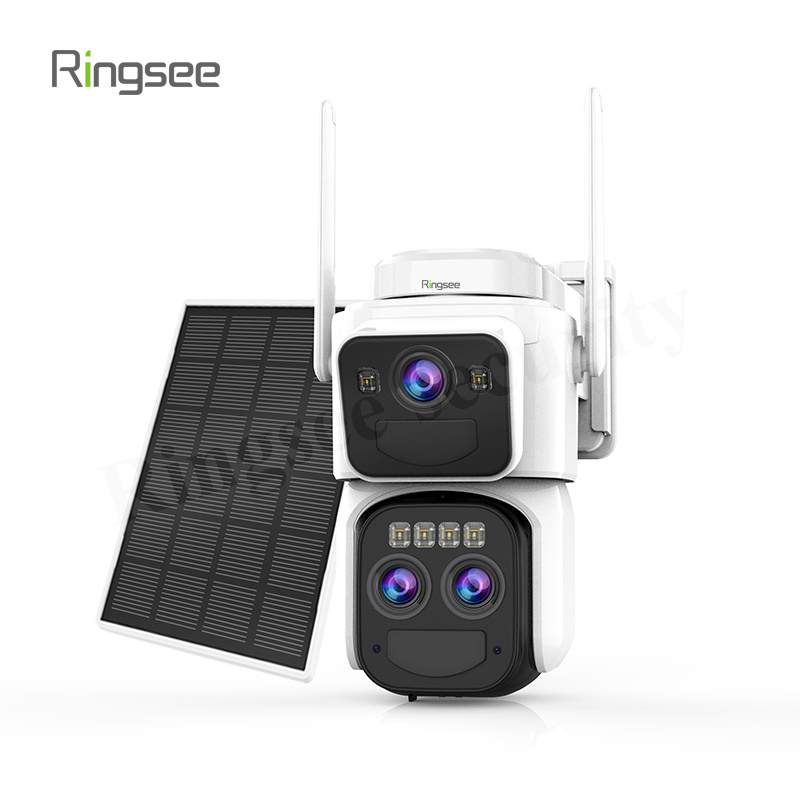
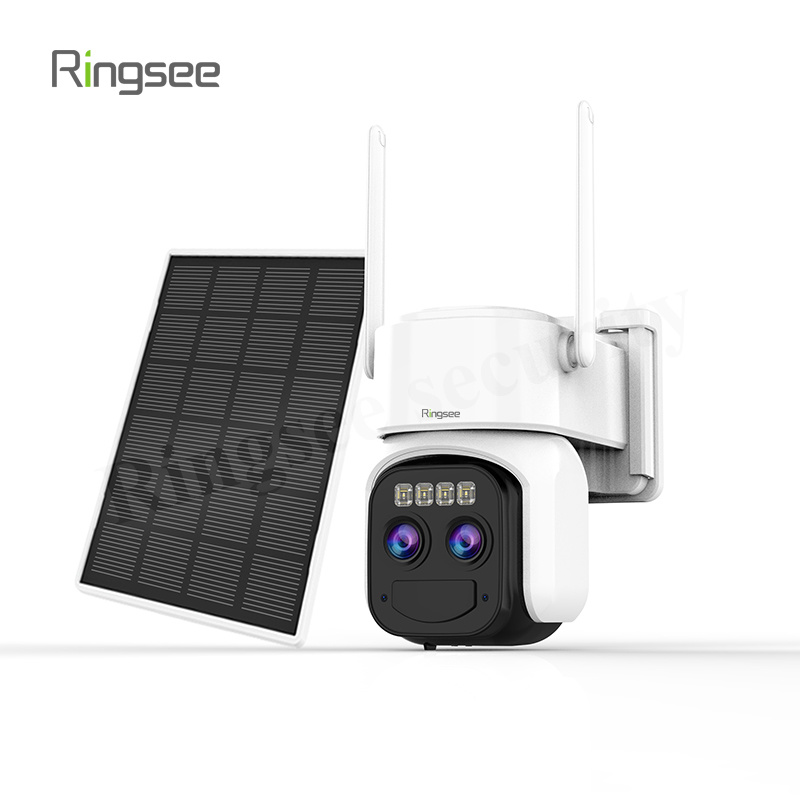
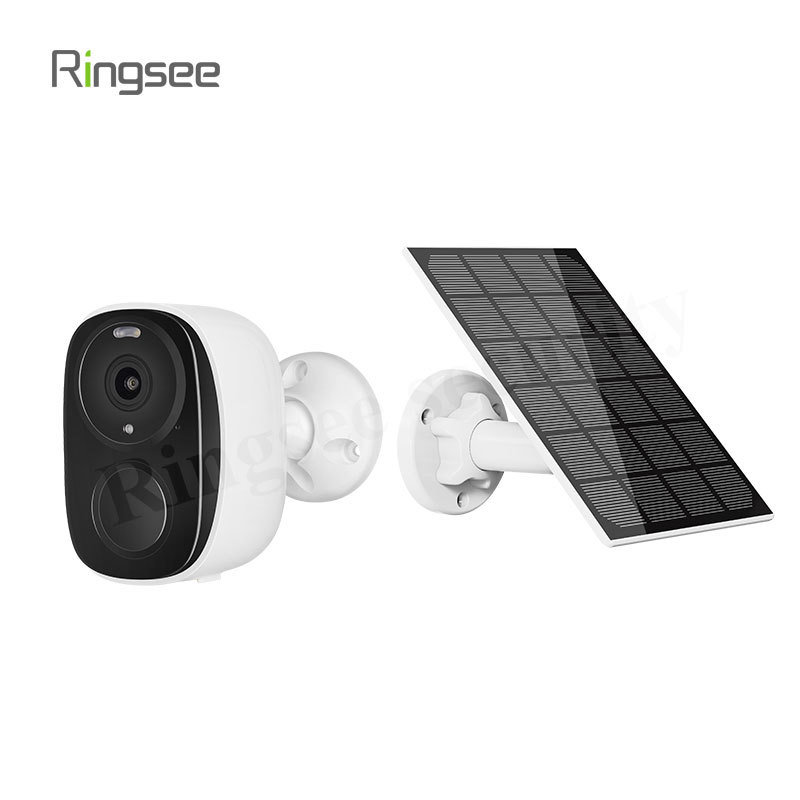
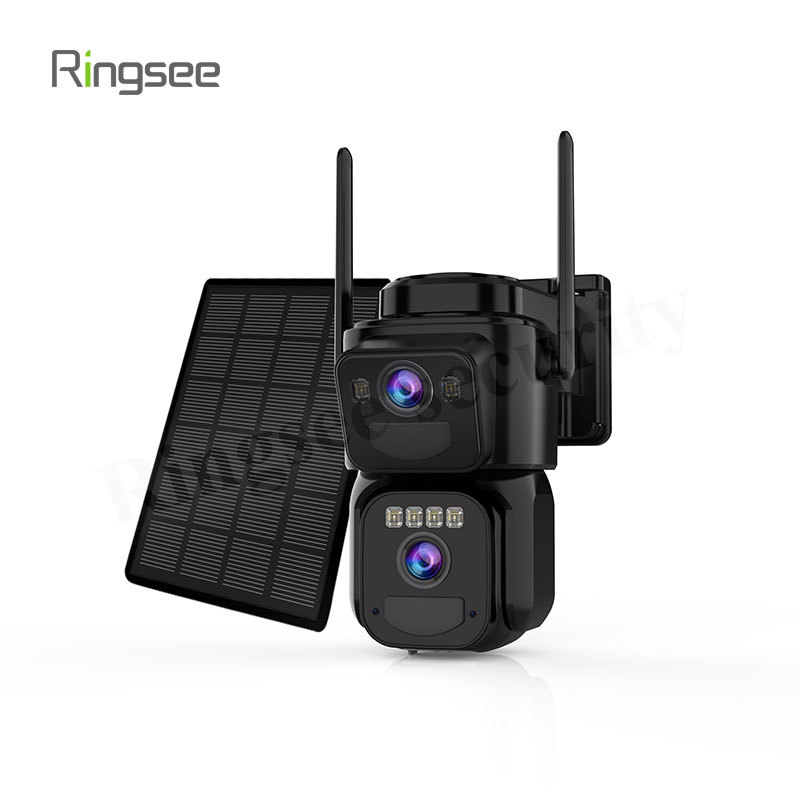





Solar Panel Compatibility for 4G Wildlife Cameras (Solar Charging Solutions)
Publish:
2026-02-08 14:51
Source:
https://www.ring-see.com
Learn how to choose the right solar panel for your 4G wildlife camera. We cover 6V vs 12V compatibility, wattage requirements, and battery buffers for 24/7 monitoring.
Keeping a 4G wildlife camera powered in the field can be the difference between capturing a trophy buck and staring at a "Camera Offline" notification. Unlike standard trail cameras, 4G LTE cameras are power-hungry, requiring constant energy for cellular handshakes and data transmission.
This guide answers the most critical questions regarding solar panel compatibility to ensure your setup remains maintenance-free year-round.

Can any solar panel work with my 4G wildlife camera?
Quick Answer: No. To be compatible, a solar panel must match your camera's voltage requirement (typically 6V or 12V) and have a matching DC plug size. For 4G cameras, you specifically need a panel with a high wattage (5W–10W) and a built-in lithium buffer battery (10,000mAh+) to handle the high energy spikes during cellular uploads.
1. Matching Voltage: 6V vs. 12V Systems
The most common reason for camera failure is a voltage mismatch.
6V Systems: Standard for many entry-level trail cameras.
12V Systems: Common in high-end 4G/LTE and live-streaming models.
The Risk: Plugging a 12V solar panel into a 6V camera will likely fry the internal motherboard. Conversely, a 6V panel will fail to charge a 12V camera. Always check the DC input label on your camera housing before connecting.
2. Why Wattage Matters for 4G Cameras
Standard trail cameras that save to an SD card can survive on a small 2W panel. However, 4G cameras require a "Power Buffer."
Transmission Spikes: A 4G camera uses a burst of power every time it sends a photo or video.
Recommended Wattage: Aim for a 5W to 10W monocrystalline panel. These are more efficient in low light and provide enough "overflow" energy to charge the battery even on overcast days.
3. Built-in Buffer Batteries: The Secret to 24/7 Power
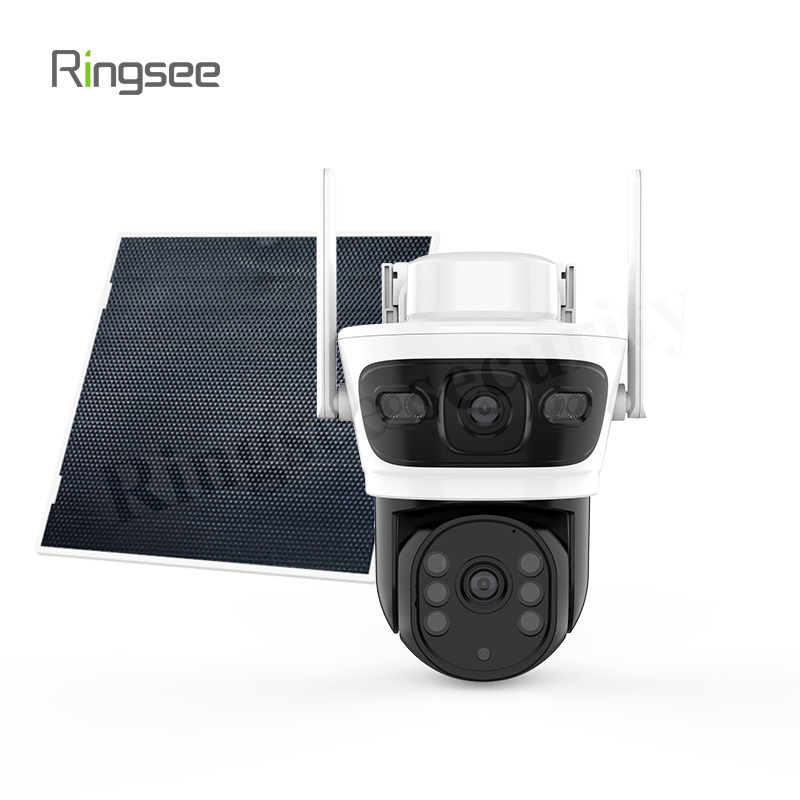
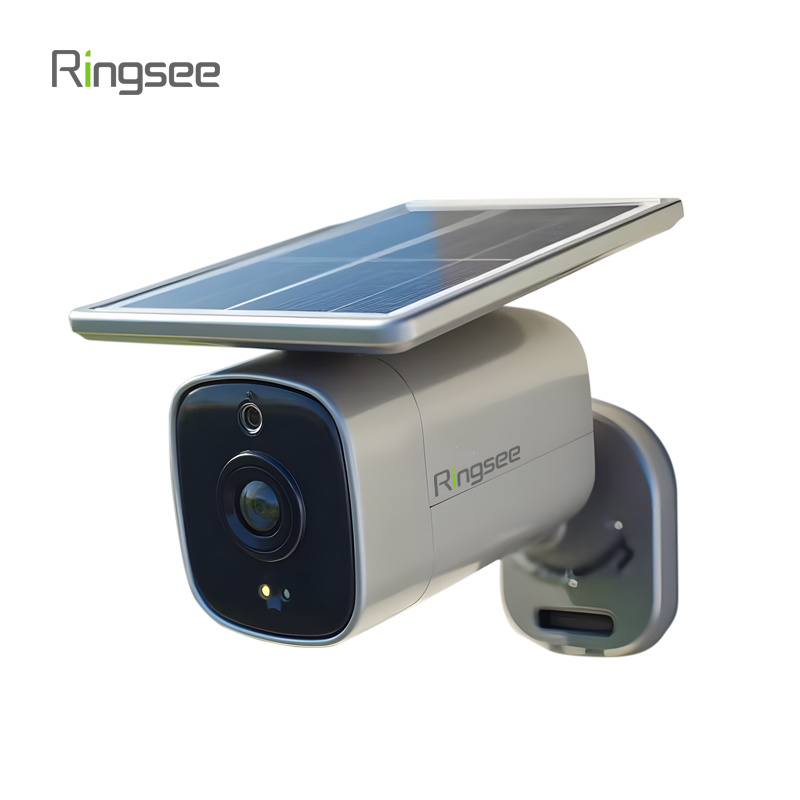
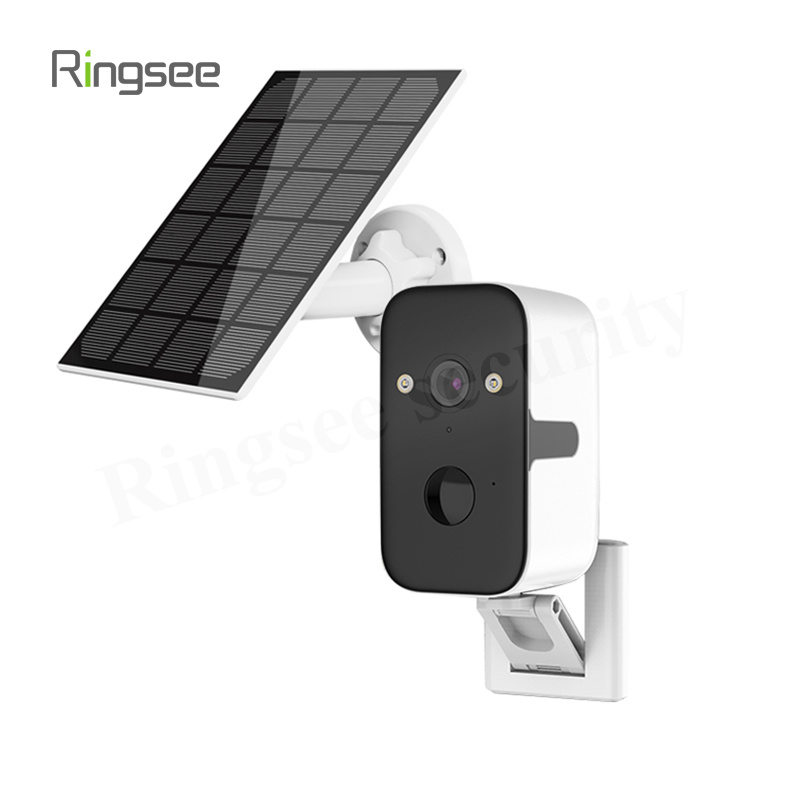
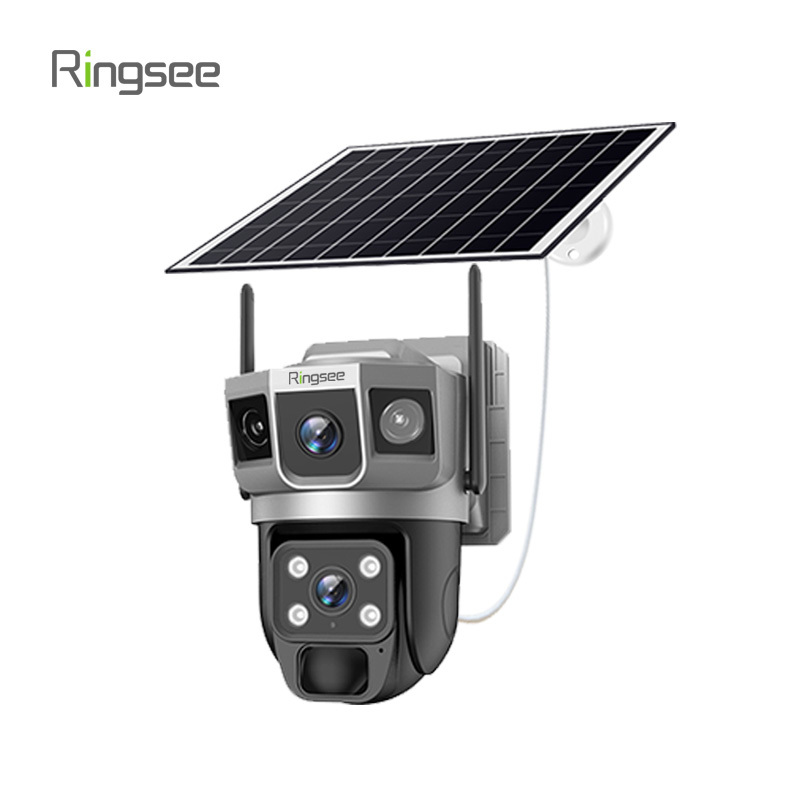
Direct-to-camera solar panels often fail at night. The best solution is a Solar Power Bank (a panel with a built-in lithium battery).
The sun charges the panel's internal battery.
The panel's battery then provides a constant, regulated flow of power to the camera.
Look for a capacity of at least 10,000mAh to sustain the camera through 3–5 days of heavy rain or snow.
4. Plug Sizes and Polarity
Even if the voltage matches, the plug might not. Most wildlife cameras use a 4.0mm x 1.7mm or 3.5mm x 1.35mm DC jack.
Pro Tip: Look for solar kits that include a "universal adapter cable" set. This ensures compatibility regardless of whether your camera uses a traditional barrel plug or the newer USB-C standard.
5. Optimal Positioning for Maximum Efficiency
A solar panel is only as good as the light it catches.
Facing South: In the Northern Hemisphere, always face your panel True South.
The 45° Rule: Tilt the panel at a 45-degree angle. This is the "sweet spot" for catching high summer sun and lower winter sun, while also allowing rain and snow to slide off the glass.
The "Shadow Check": A shadow covering just 10% of a solar panel can reduce its output by over 50%. Ensure no branches or leaves obstruct the view.

Technical Comparison: Solar Requirements
| Camera Type | Recommended Voltage | Ideal Wattage | Battery Buffer |
| Standard (SD Card) | 6V | 2W - 3W | Optional |
| 4G / LTE Cellular | 12V (Usually) | 5W - 10W | Mandatory (10Ah+) |
| Live-Streaming 4G | 12V | 10W+ | Mandatory (15Ah+) |
Related News
PIR Sensitivity Settings for Hunting Cameras: The Ultimate Guide to Reducing False Triggers
Tired of blank photos? Learn how to calibrate PIR sensitivity on your Ringsee cellular trail camera to reduce false triggers and save battery life.
Feb 10,2026
Solar Panel Compatibility for 4G Wildlife Cameras (Solar Charging Solutions)
Learn how to choose the right solar panel for your 4G wildlife camera. We cover 6V vs 12V compatibility, wattage requirements, and battery buffers for 24/7 monitoring.
Feb 08,2026
Trigger Speed & Recovery Time on Cellular Hunting Cameras: Mastering Fast Wildlife Capture
Unlock peak performance from your cellular hunting camera. This 2026 guide explains trigger speed, recovery time, and how to optimize settings for the fastest wildlife capture, including cellular transmission impacts and cold weather tips.
Feb 06,2026
Is a 4G Solar Camera Really More Cost-Effective for Remote Locations?
Discover whether a 4G solar camera is the most cost-effective security solution for remote locations. Compare real costs, benefits, and real-world use cases to make an informed buying decision.
Jan 28,2026
Solar Outdoor Security Cameras with Full-Color Night Vision: What Buyers Really Need to Know
Looking for a solar outdoor security camera with full-color night vision? Learn how wireless, low-power solar cameras deliver clear color video at night, where they work best, and what to consider before buying.
Dec 31,2025
Links:One Belt Power Technology
Add: 14th Floor, Baoshan Building, Longhua District, Shenzhen China.
Privacy Policy | SEO | CitySite | Support: 300.cn Dongguan