





Is a 4G Solar Camera Really More Cost-Effective for Remote Locations?
Publish:
2026-01-28 18:11
Source:
https://www.ring-see.com
Discover whether a 4G solar camera is the most cost-effective security solution for remote locations. Compare real costs, benefits, and real-world use cases to make an informed buying decision.
When you think about securing remote property — whether it’s farmland, a construction site, or an off-grid cabin — the usual obstacles crop up immediately: no power outlets, weak or nonexistent Wi-Fi, and the high cost of running cables or hiring technicians. For years, these limitations made “real” outdoor security systems impractical in places without existing infrastructure.
A 4G solar camera — a surveillance camera powered by the sun and connected via cellular data — promises to change that. But does it truly save money in the long run? Let’s explore the real-world benefits, side-by-side comparisons, and a practical case study that show why many remote property owners are switching to 4G solar security solutions.
Why Traditional Security Cameras Fall Short in Remote Areas
Most conventional outdoor security cameras expect:
- A reliable electrical supply
- A stable internet (usually Wi-Fi) connection
- Power and network cabling to be installed
In remote areas, all three are hard to come by — and expensive to bring in. Digging trenches for power, extending broadband to fields or wooded land, or hiring professionals to run hardwired systems can turn a simple surveillance plan into a big bill.
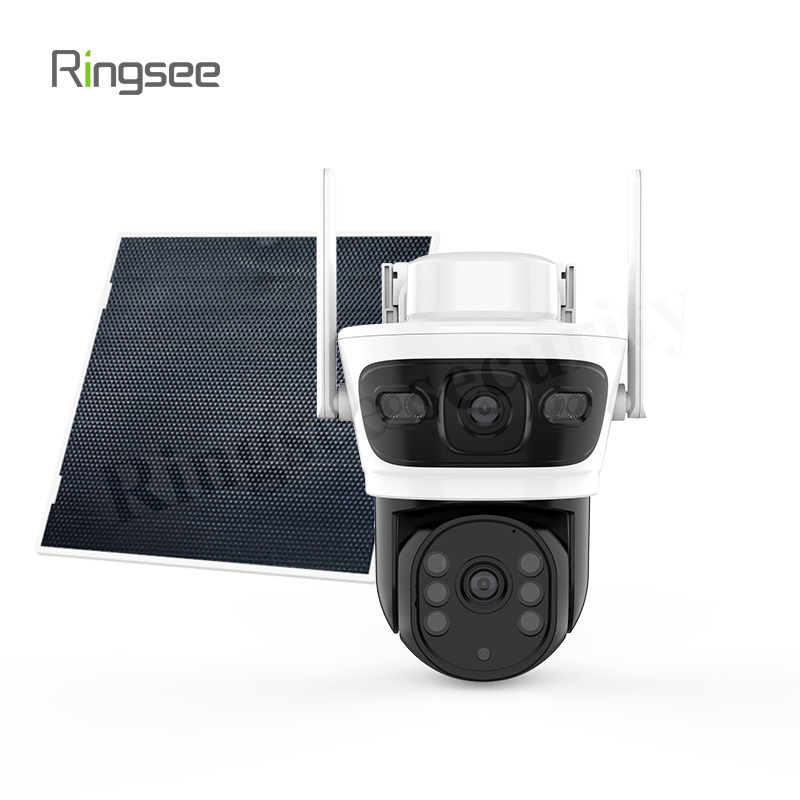
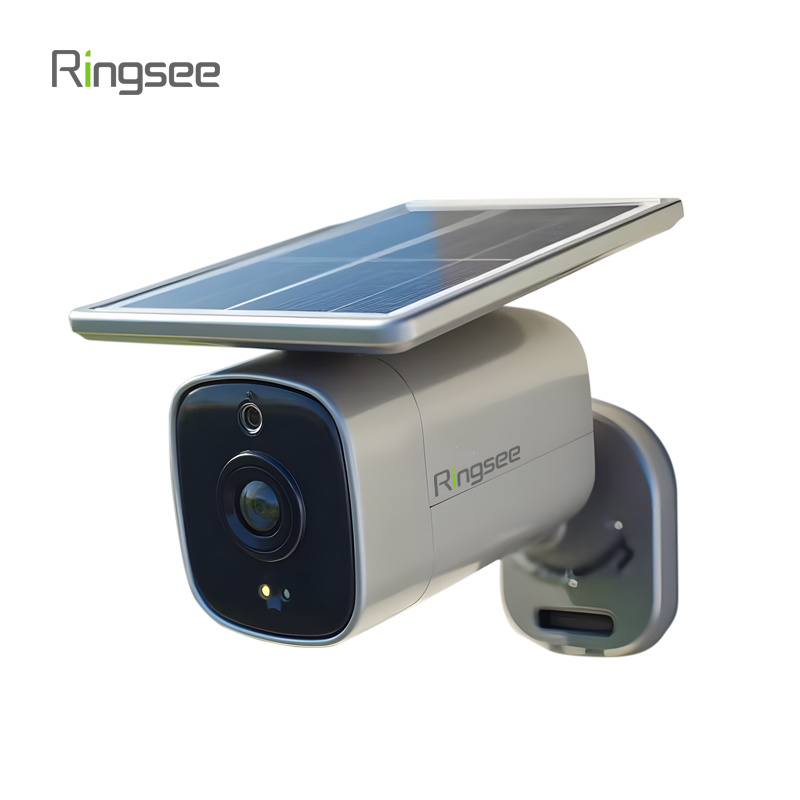
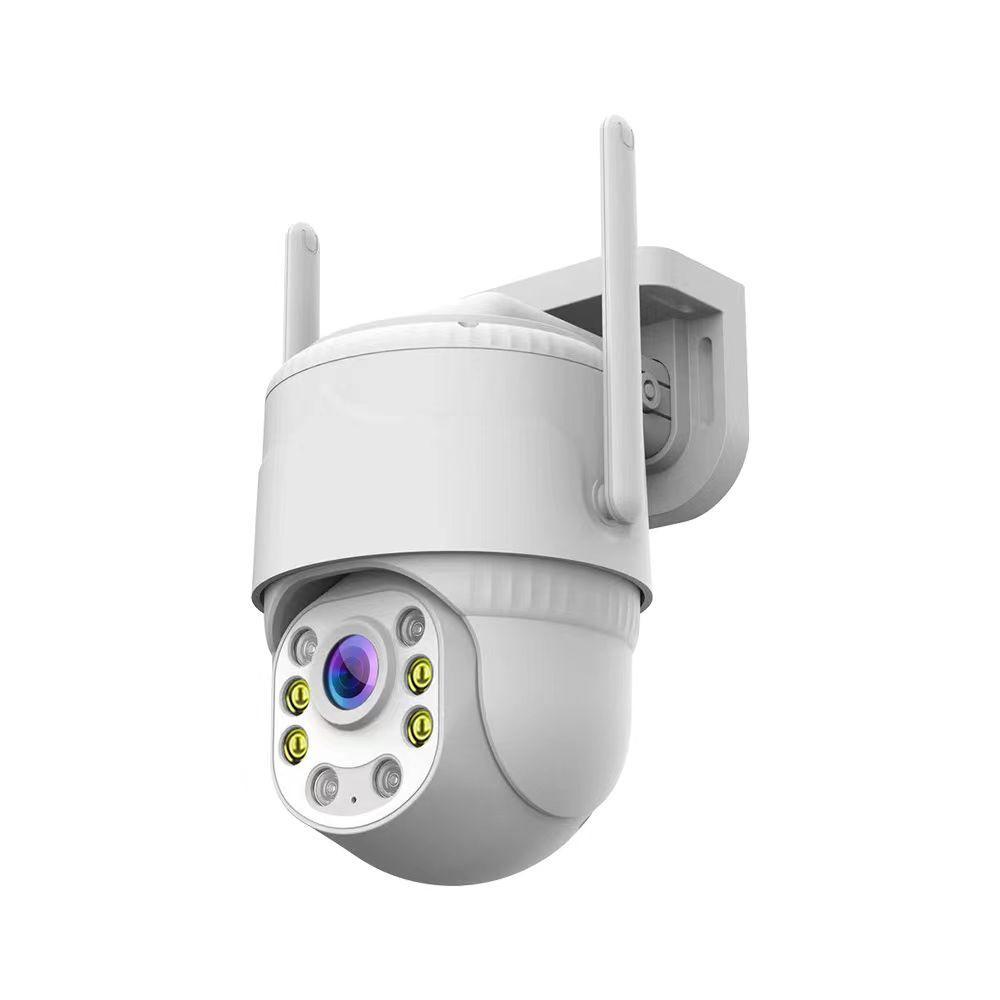
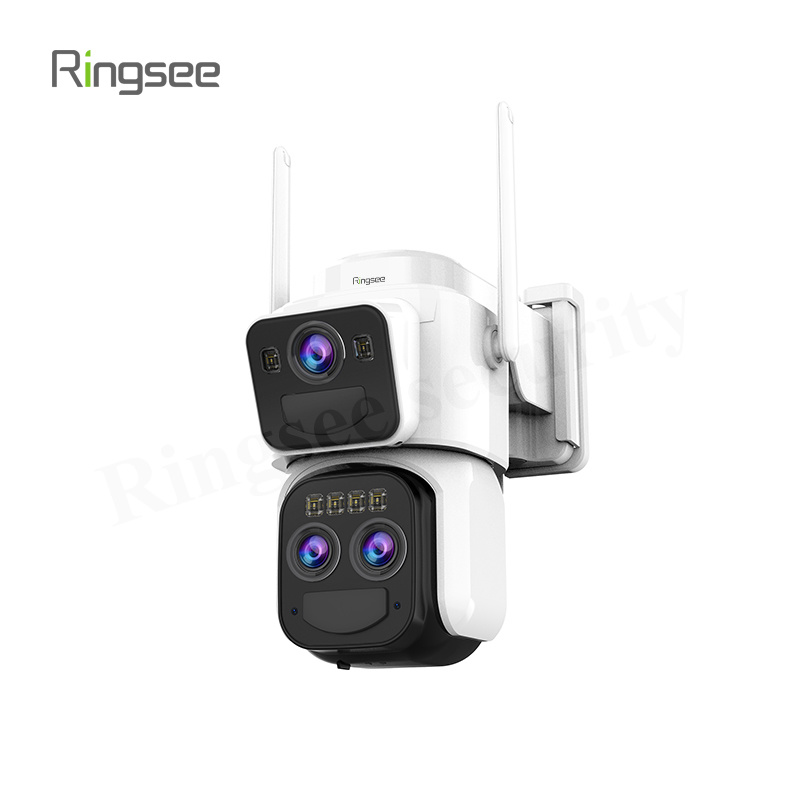
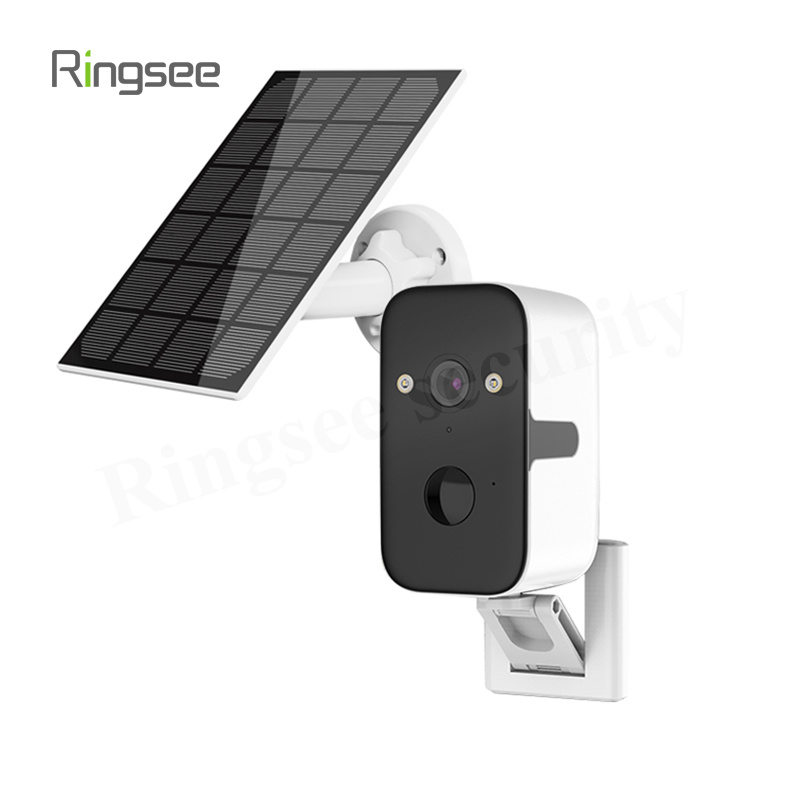
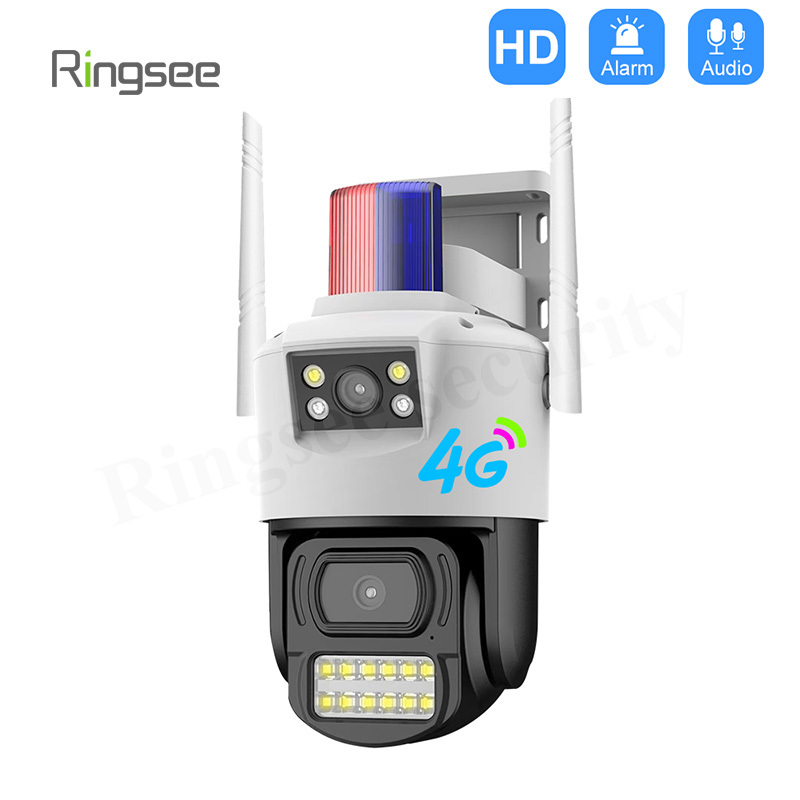
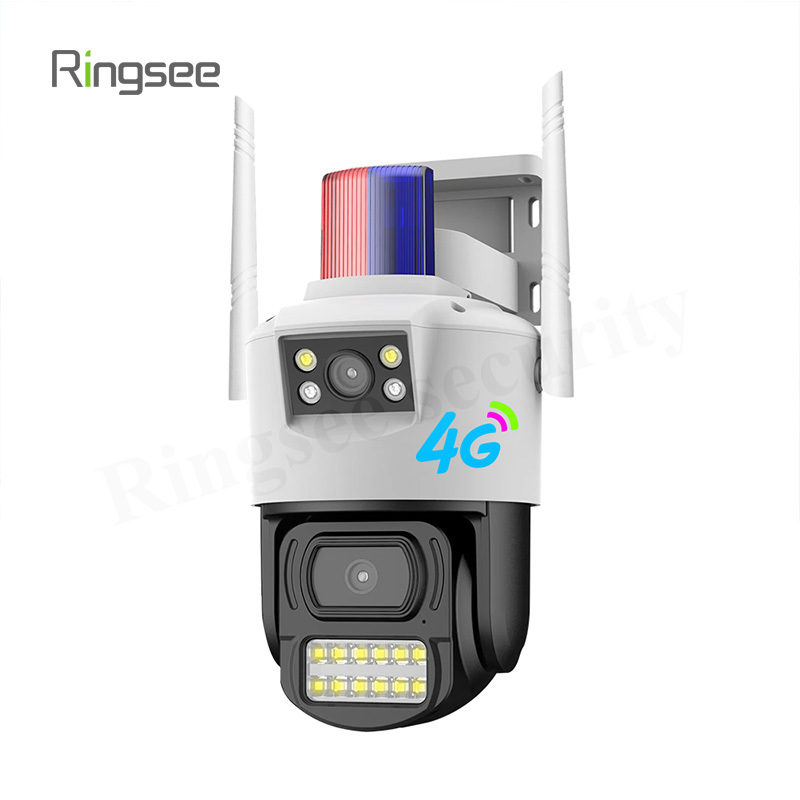
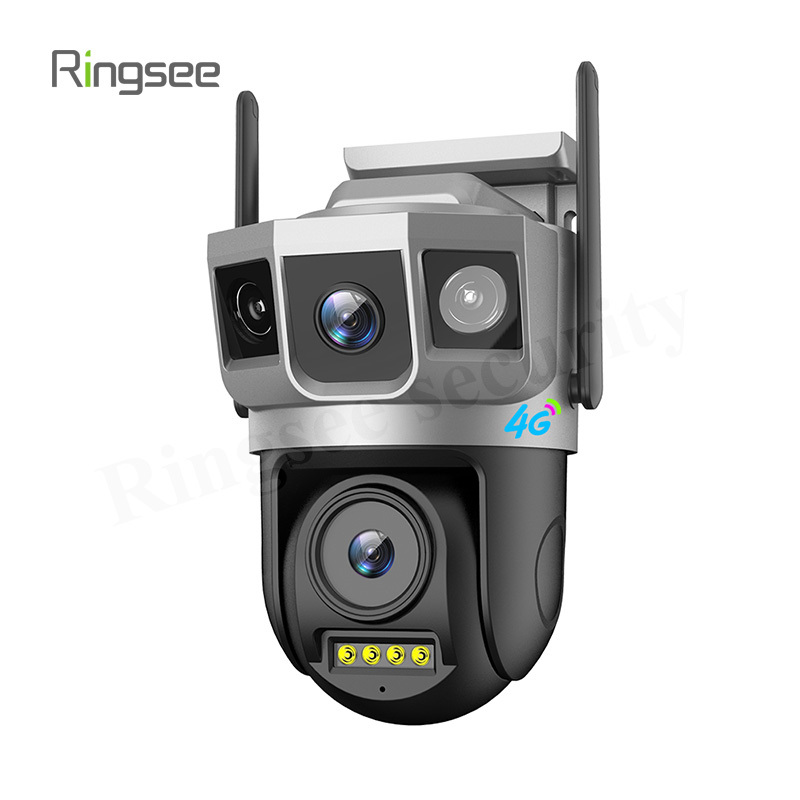
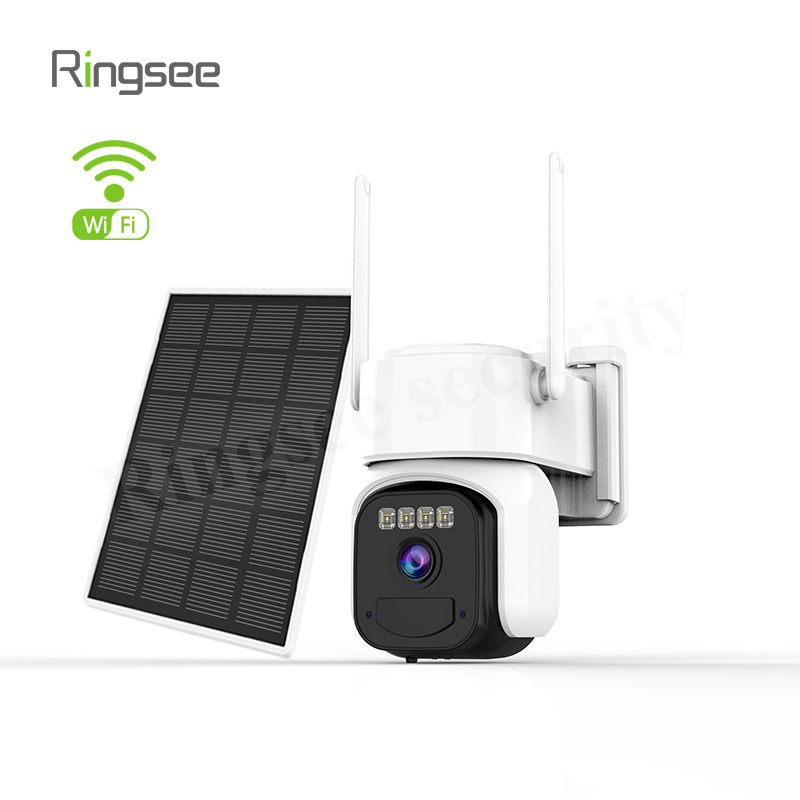
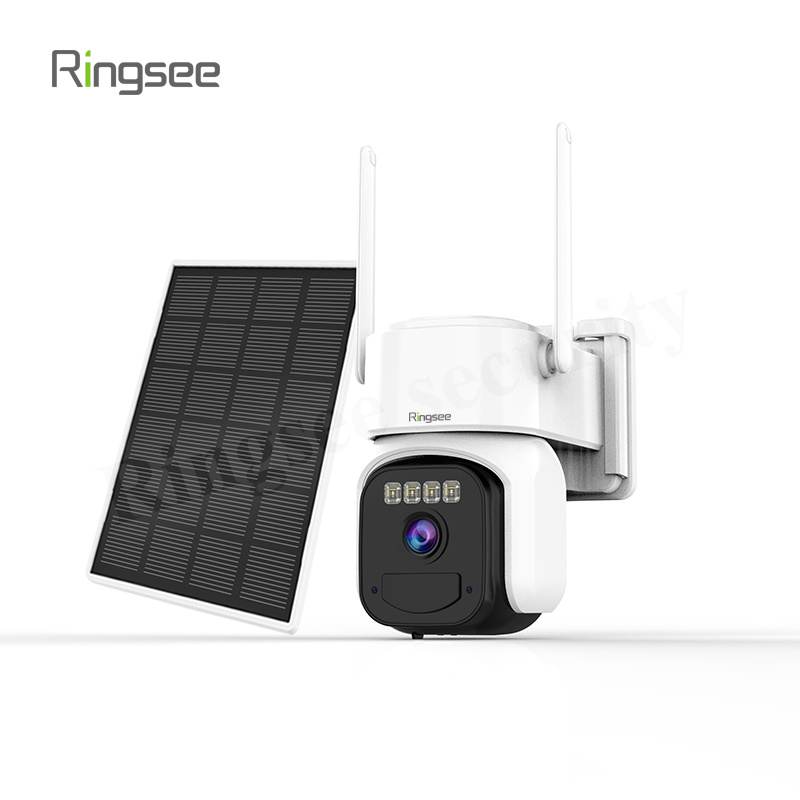
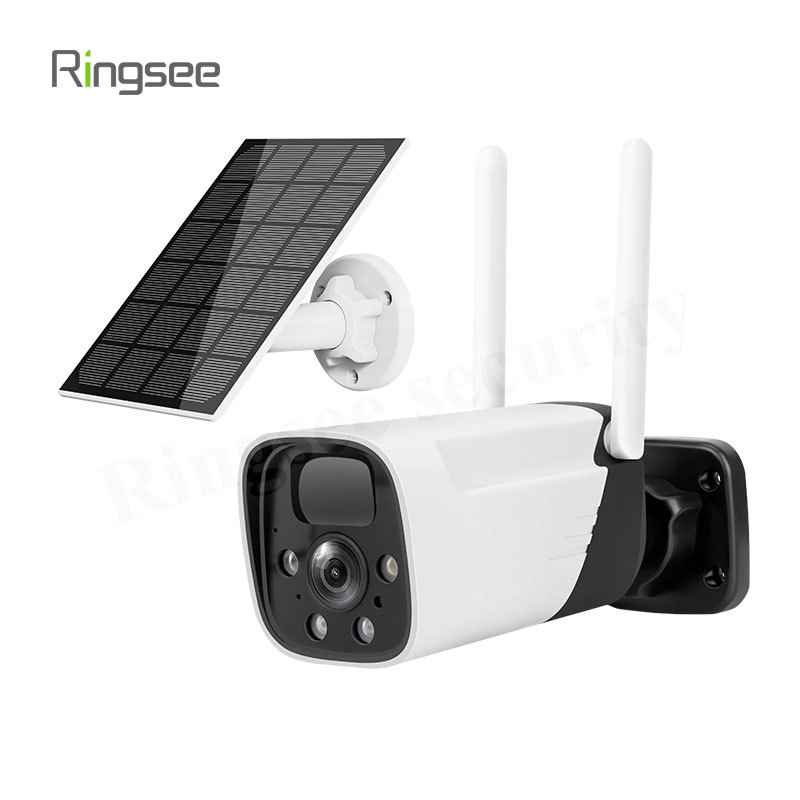
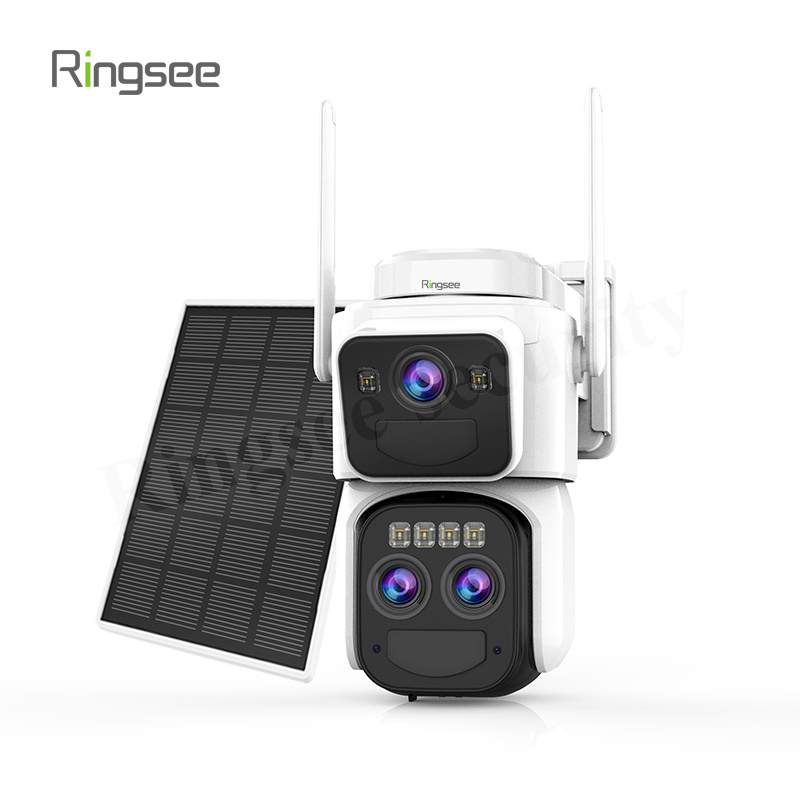
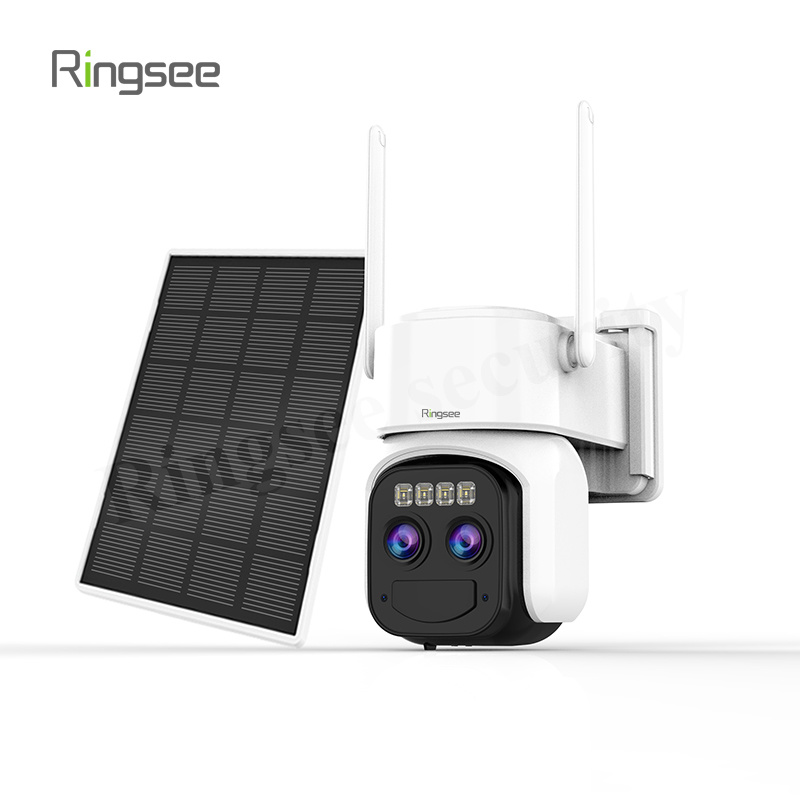
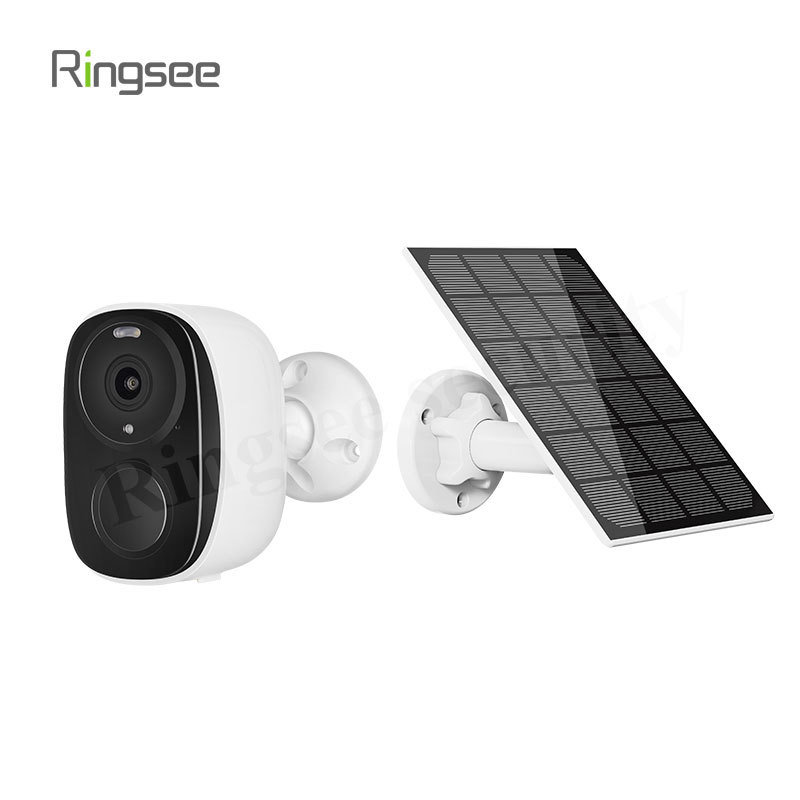
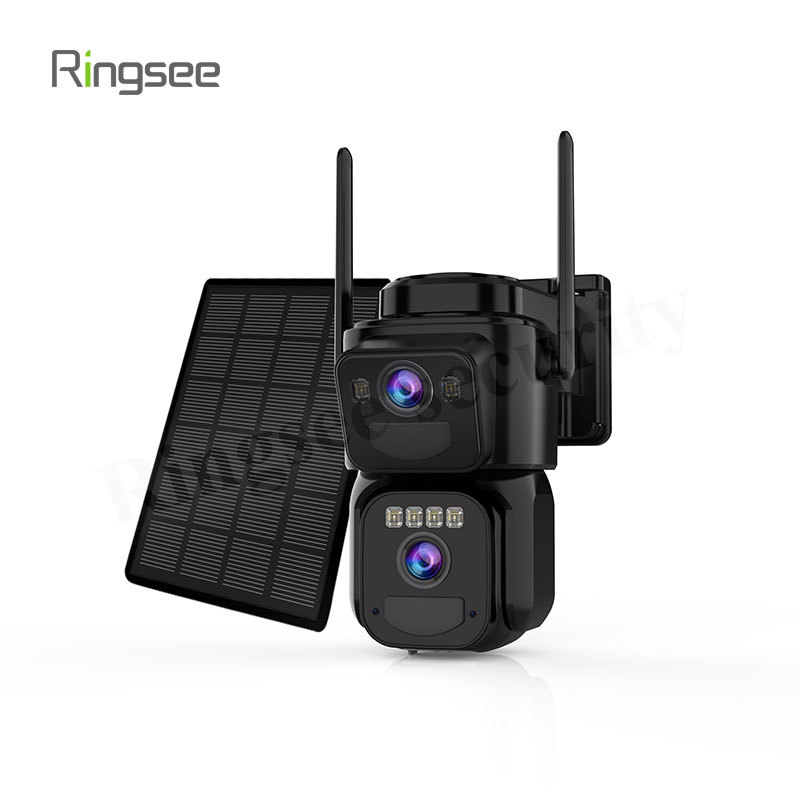
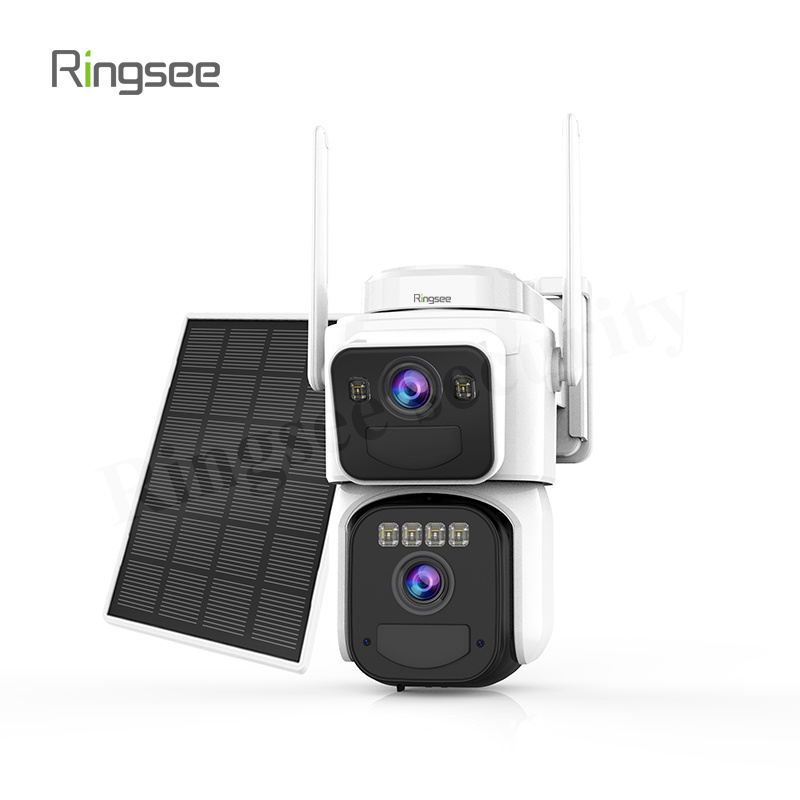
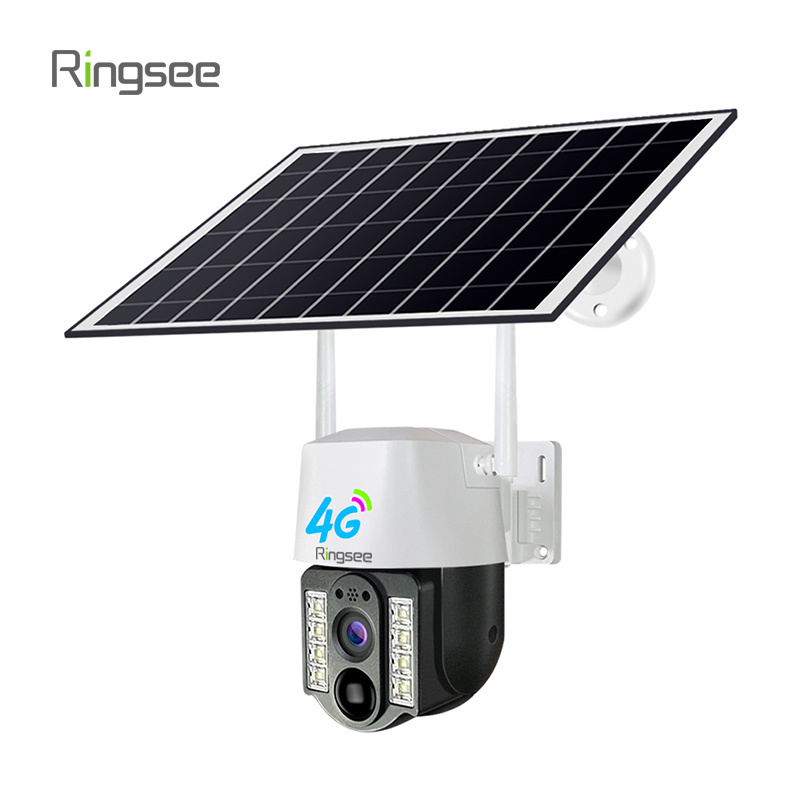
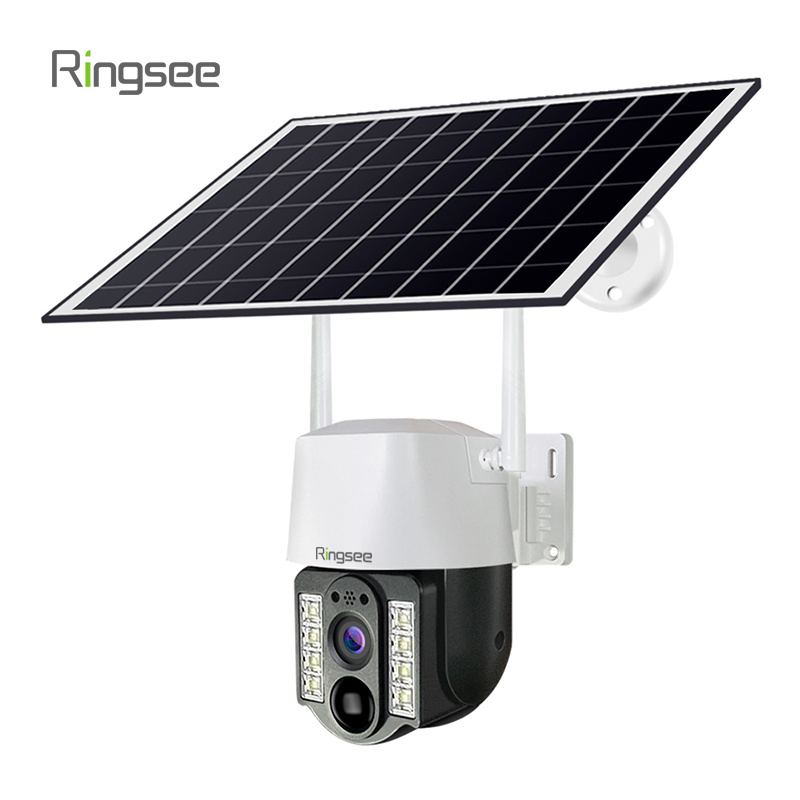
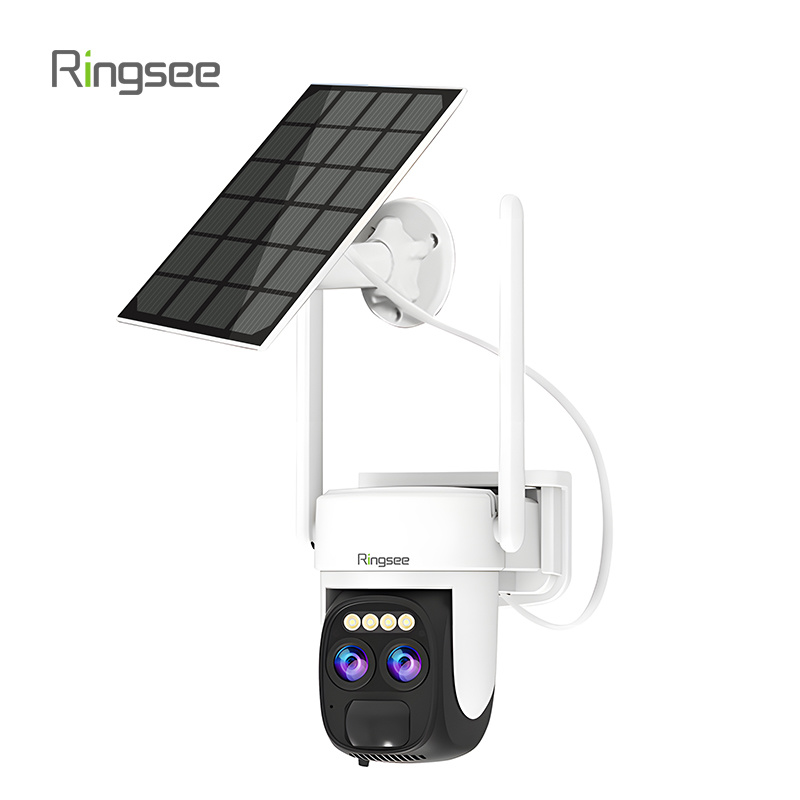
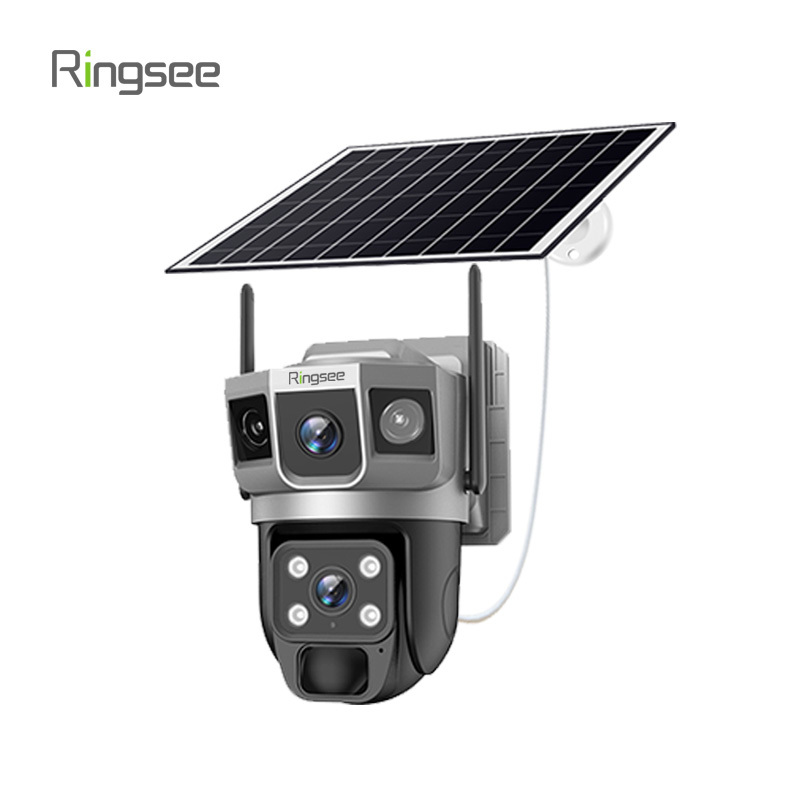
In contrast, a 4G solar security camera operates independently of wires, using built-in solar panels and battery storage for power and a 4G LTE mobile data connection instead of Wi-Fi. That combination addresses both the power and connectivity challenges that traditionally hike up costs.

Real-World Case Study: Ringsee’s Solar 4G Cameras in Action
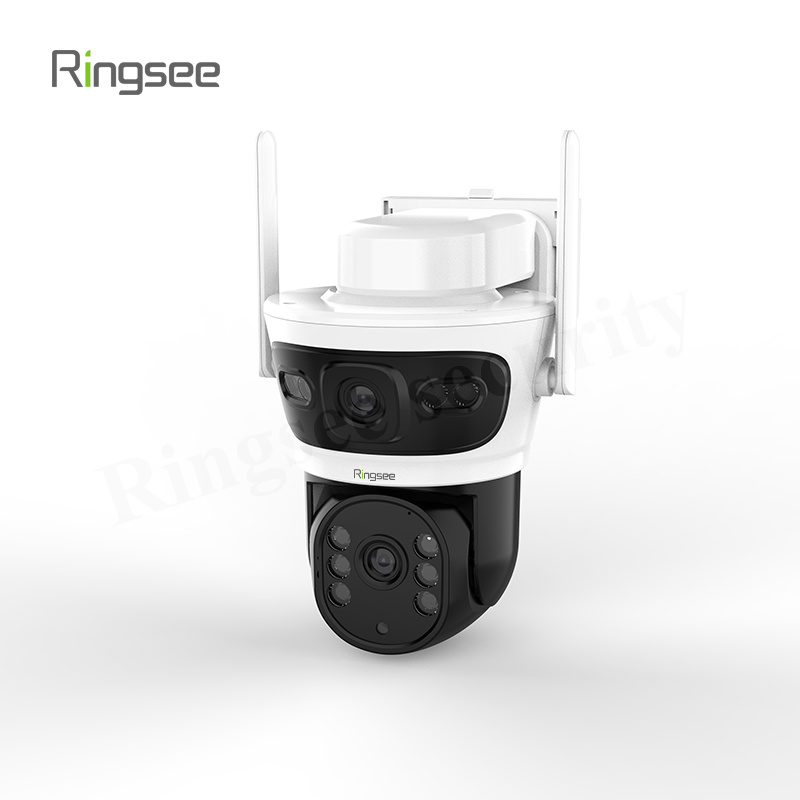
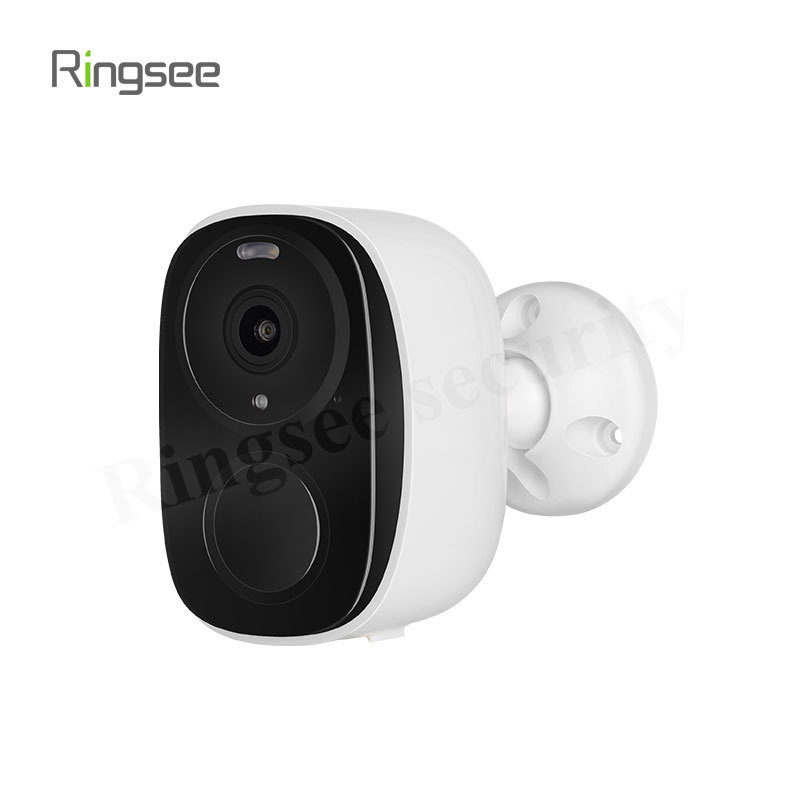
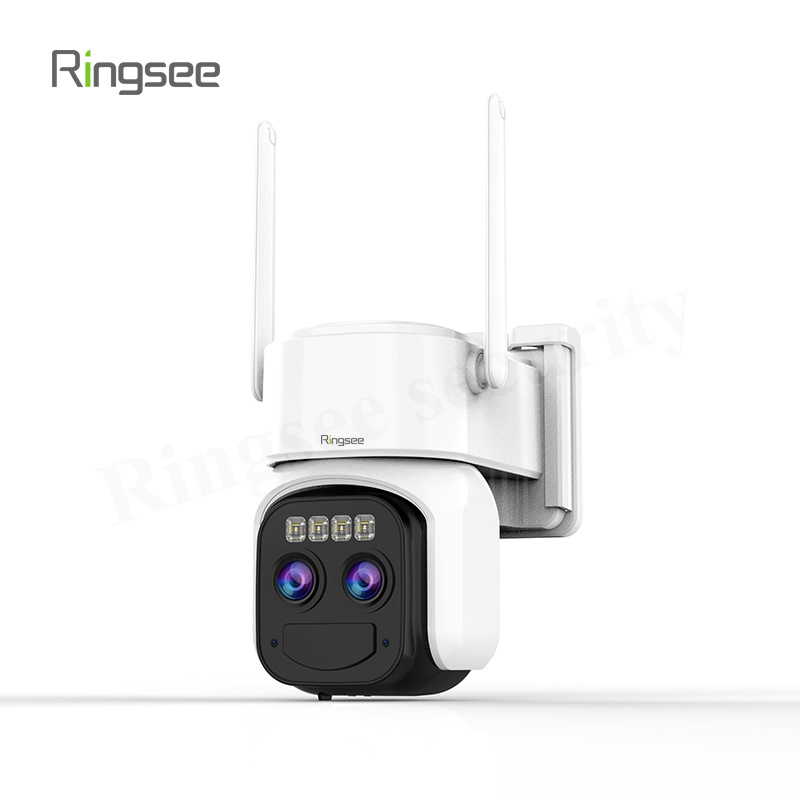
A compelling example comes from real installations shared on Ringsee’s official site. In rural Queensland, Australia, a livestock farmer deployed six Ringsee 4G solar cameras along his property’s vast fence lines and around key feed storage areas. Before installing these solar-powered units, he had to drive long distances daily to check his land — a time-consuming routine that still left gaps in security.
After the installation:
AI-powered alerts notify him instantly if animals breach fencing.

The cameras run autonomously for months without power grid access.
He now monitors events from his phone without visiting each location.
That direct outcome — fewer site visits, earlier notifications, and uninterrupted monitoring — underscores the practical value of combining solar power with 4G connectivity in the field.
Another success story on Ringsee’s site tells of a large cattle station in Queensland that used Ringsee 4G solar cameras around feed storage and perimeter fences. After installation:
- AI alerts prevented livestock losses by detecting night-time breaches.
- The system delivered 24/7 monitoring even during cloudy weather.
- Cameras were installed across five sites in just two days without trenching or electrical work — a dramatic contrast to traditional methods.
These are concrete examples of how solar powered 4G security cameras can dramatically reduce labor, installation, and operational costs while providing reliable coverage where traditional systems struggle.
4G Solar Camera vs Traditional Wired Camera
Here’s a snapshot comparison to help buyers see value from both short-term and long-term perspectives:
1. Installation Costs
4G Solar Camera
- No trenching or cabling
- No electrician needed
- DIY setup in most cases
Traditional Wired Camera

- Power line running and broadband setup
- Professional installation often required
- Costs rise steeply with distance from infrastructure
Winner: 4G Solar Camera — immediate savings on installation.
2. Ongoing Operational Costs
4G Solar Camera
- Solar energy = no monthly electricity bills
- Cellular data plans are predictable and scalable
Traditional Wired Camera
- Constant power draw adds to energy costs
- Internet bills increase with higher data storage/cloud needs
Winner: 4G Solar Camera — lower long-term ownership cost.
3. Connectivity and Reliability
4G Solar Camera
- Uses 4G LTE networks instead of Wi-Fi
- Connectivity where Wi-Fi can’t reach
Traditional Wired Camera
- Depends on local broadband
- Remote locations often need repeaters or extenders
Winner: 4G Solar Camera — more dependable in remote settings.
4. Advanced Features
Both systems can offer smart features like AI detection and night vision, but modern 4G solar cameras increasingly include:
- AI human detection (reduces false alarms)
- Full-color night vision
- Instant mobile alerts and cloud viewing
These features were once premium add-ons for traditional setups; now they are standard on many solar 4G models.
When a 4G Solar Camera Makes the Most Sense
Not every situation calls for a 4G solar camera — urban homes with stable power and Wi-Fi are often fine with wired systems. But consider these scenarios:
- Fields, farmlands, and ranches
- Remote construction sites
- Parks and forest trails
- Vacation cabins with no grid access
- Temporary job sites or seasonal properties
In these cases, solar powered surveillance paired with 4G LTE connectivity solves problems that traditional systems can’t without incurring high costs or operational headaches.
If you’re securing property where power and internet are scarce — or expensive to bring in — a 4G solar camera shines on both practicality and cost-efficiency. You avoid cabling costs, cut monthly electricity bills, and gain reliable monitoring that works even when conditions are tough.
And as real users — like farmers in Australia — have found, these solutions don’t just work in theory. They help protect assets, reduce labor, and deliver real peace of mind.
Related News
PIR Sensitivity Settings for Hunting Cameras: The Ultimate Guide to Reducing False Triggers
Tired of blank photos? Learn how to calibrate PIR sensitivity on your Ringsee cellular trail camera to reduce false triggers and save battery life.
Feb 10,2026
Solar Panel Compatibility for 4G Wildlife Cameras (Solar Charging Solutions)
Learn how to choose the right solar panel for your 4G wildlife camera. We cover 6V vs 12V compatibility, wattage requirements, and battery buffers for 24/7 monitoring.
Feb 08,2026
Trigger Speed & Recovery Time on Cellular Hunting Cameras: Mastering Fast Wildlife Capture
Unlock peak performance from your cellular hunting camera. This 2026 guide explains trigger speed, recovery time, and how to optimize settings for the fastest wildlife capture, including cellular transmission impacts and cold weather tips.
Feb 06,2026
Is a 4G Solar Camera Really More Cost-Effective for Remote Locations?
Discover whether a 4G solar camera is the most cost-effective security solution for remote locations. Compare real costs, benefits, and real-world use cases to make an informed buying decision.
Jan 28,2026
Solar Outdoor Security Cameras with Full-Color Night Vision: What Buyers Really Need to Know
Looking for a solar outdoor security camera with full-color night vision? Learn how wireless, low-power solar cameras deliver clear color video at night, where they work best, and what to consider before buying.
Dec 31,2025
Links:One Belt Power Technology
Add: 14th Floor, Baoshan Building, Longhua District, Shenzhen China.
Privacy Policy | SEO | CitySite | Support: 300.cn Dongguan