
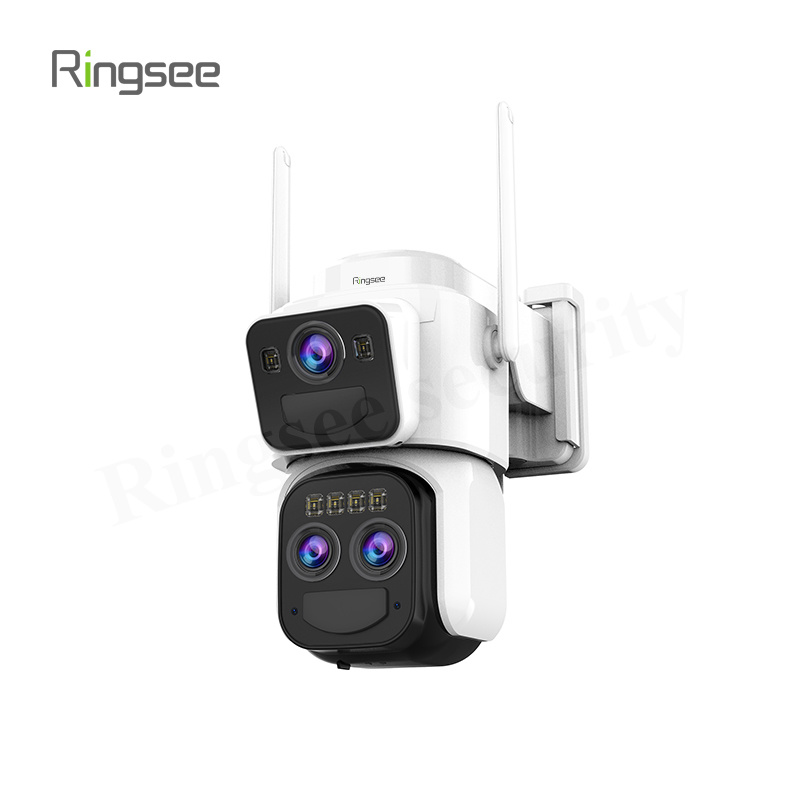
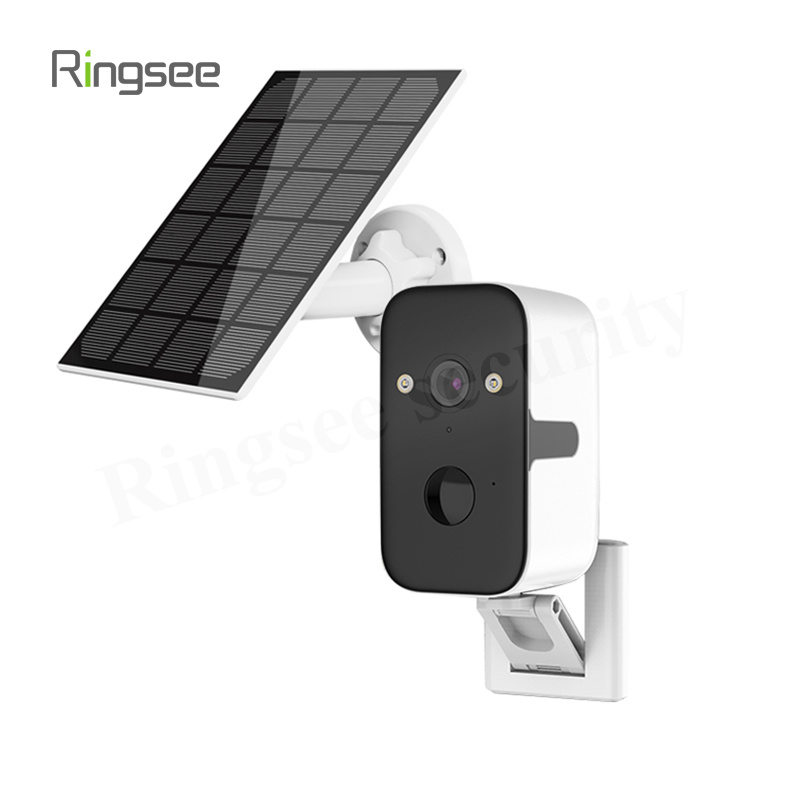
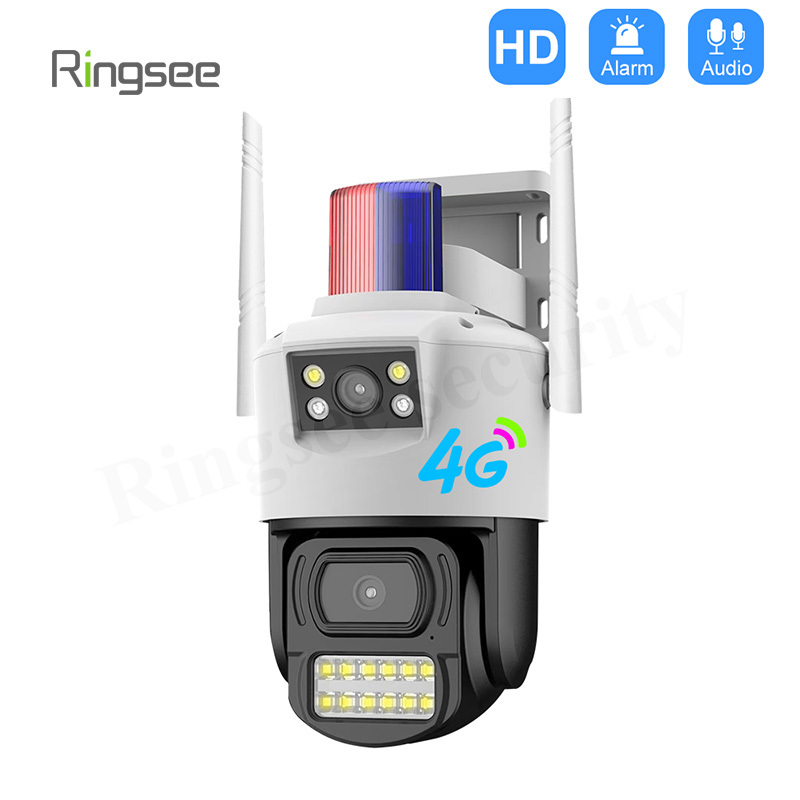
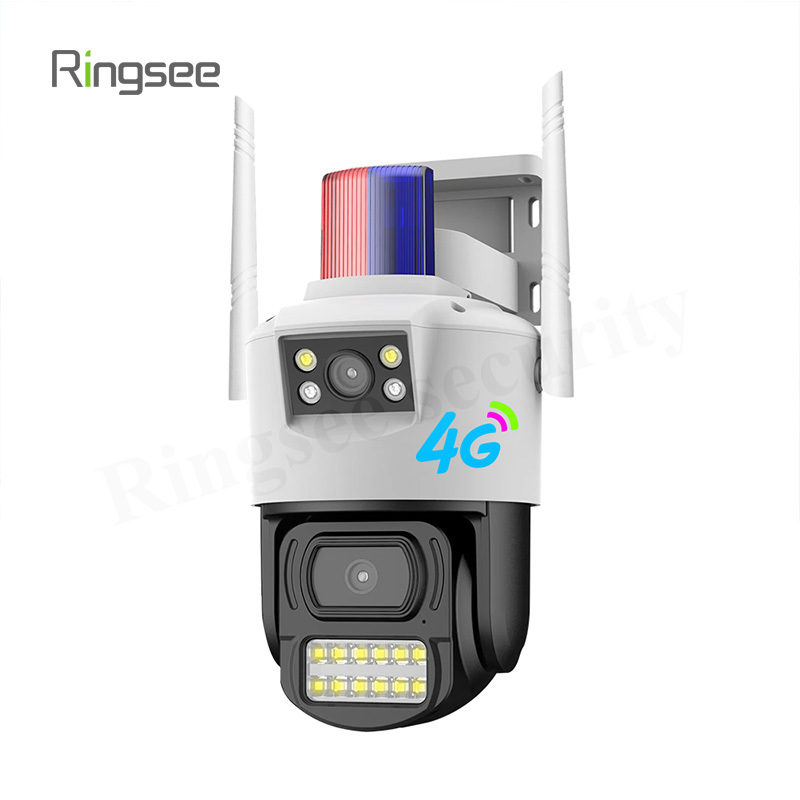
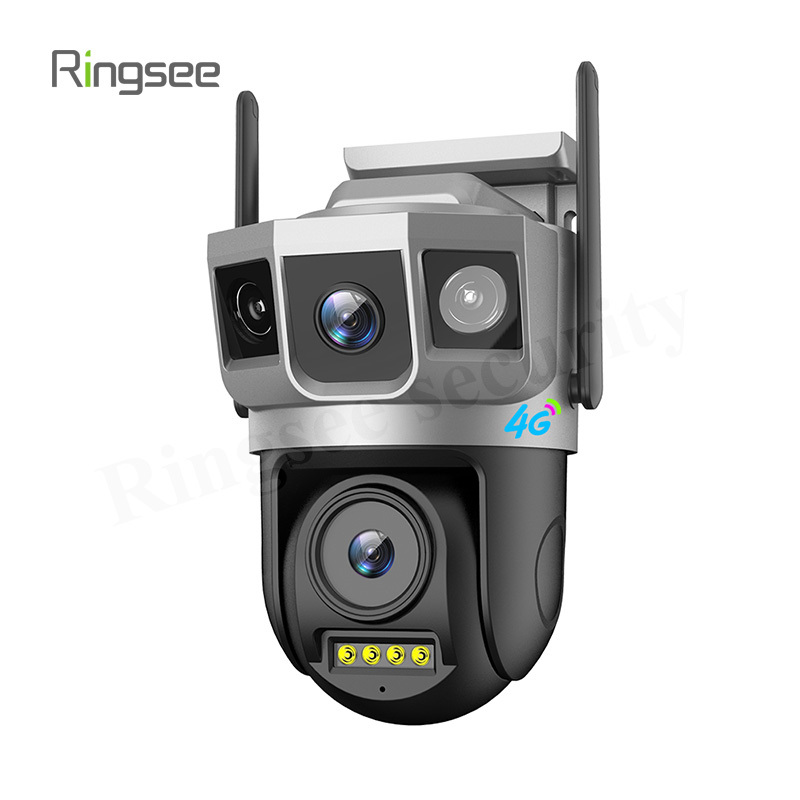





PIR Sensitivity Settings for Hunting Cameras: The Ultimate Guide to Reducing False Triggers
Publish:
2026-02-10 17:14
Source:
https://www.ring-see.com
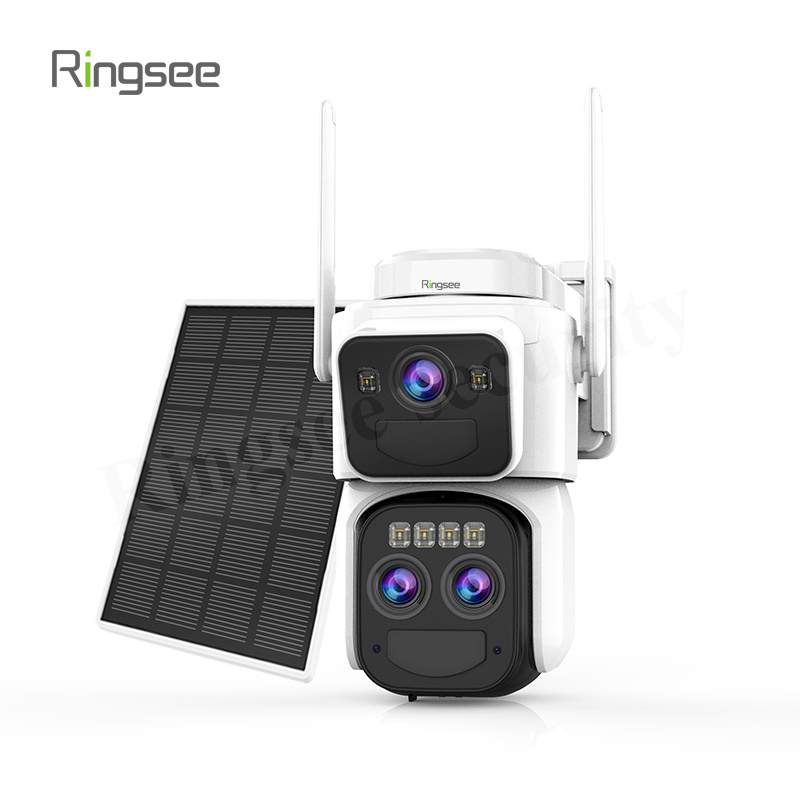
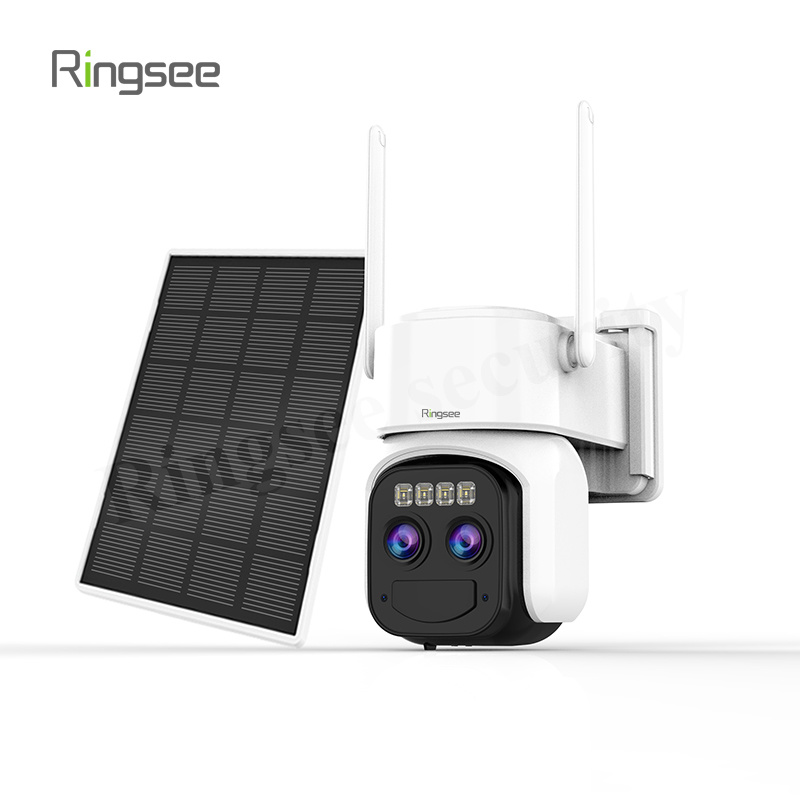
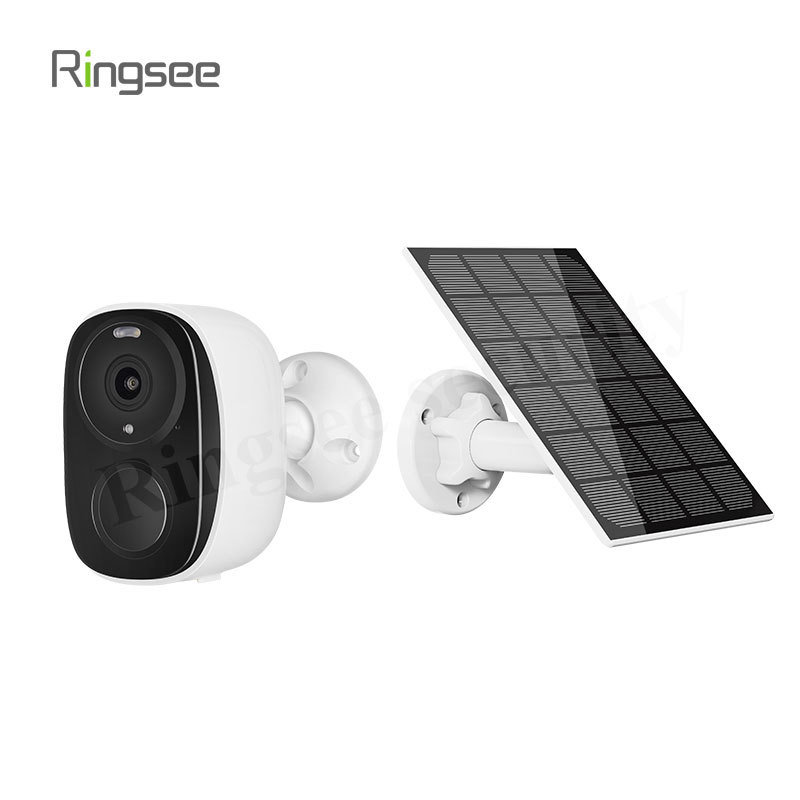
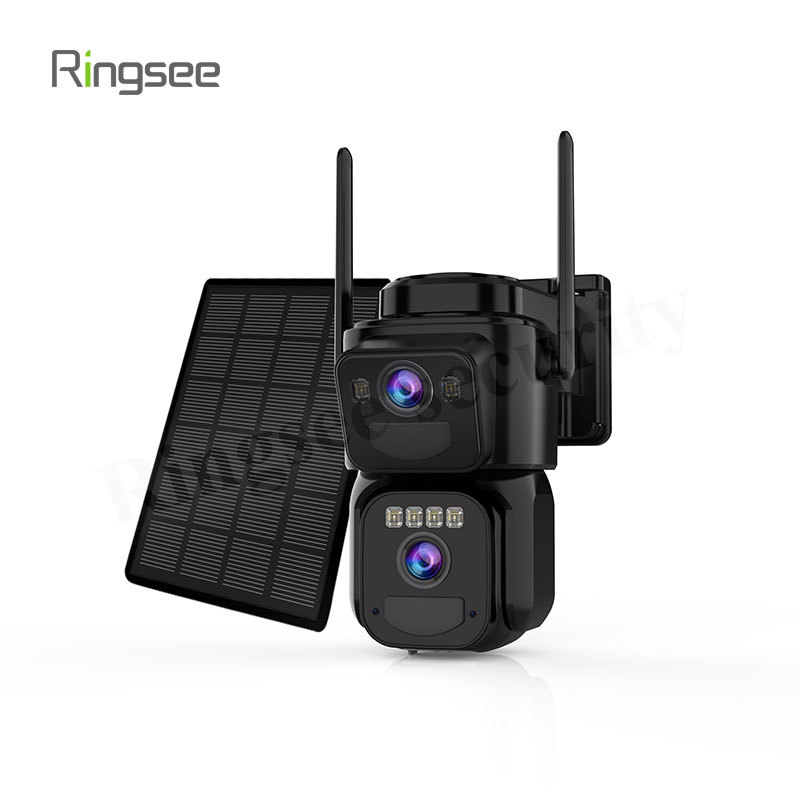
Tired of blank photos? Learn how to calibrate PIR sensitivity on your Ringsee cellular trail camera to reduce false triggers and save battery life.
Checking your SD card or opening your mobile app only to find 1,000 "blank" photos of a swaying branch is more than a nuisance—it’s a drain on your resources. For users of high-performance devices like the Ringsee Cellular Trail Camera, these "false triggers" can waste precious battery life and consume cellular data plans.
To master your scouting, you must understand that your camera doesn’t "see" motion; it feels thermal energy. Here is how to calibrate your PIR (Passive Infrared) settings to ensure you only capture what matters.
What is PIR Sensitivity and How Does it Work?
A PIR sensor is a heat-sensitive eye divided into several zones. When a warm object moves from one zone to another, it creates a "pulse" that triggers the camera. High-end cellular cameras, such as the Ringsee models, often feature an 80-foot detection range and a rapid 0.5s trigger speed, meaning the sensor is incredibly responsive.
False triggers occur when the camera detects a rapid change in heat that isn't an animal. For example, a sun-baked leaf moving in the wind creates a moving heat signature that tricks even the most advanced sensors.

1. Adjusting Sensitivity by Season and Temperature
The biggest mistake is a "set it and forget it" mentality. Your PIR sensitivity must adapt to the thermal contrast of your environment.
- Summer (High Sensitivity): When the air temperature is close to an animal's body temperature (around 37℃), there is very little thermal contrast. You should set your Ringsee cellular camera to High sensitivity so it can distinguish the subtle difference between a deer and the hot summer air.
- Winter (Low/Medium Sensitivity): In the cold, a deer’s heat stands out like a beacon. Because the contrast is so high, the sensor is "extra powerful." Setting it to Low prevents the camera from triggering on small birds or blowing snow.
2. Advanced Cellular Features: Real-Time Calibration
One of the greatest advantages of a cellular trail camera is the ability to adjust settings remotely.
- Remote Tuning: If you notice a spike in "blank" photos during a windstorm, you don't need to hike into the woods and spread your scent. Use your app to instantly drop the sensitivity from High to Medium.
- Trigger Interval: To further reduce clutter, set a Trigger Interval (or PIR Delay). If a branch is causing issues, a 30-second delay prevents the camera from taking back-to-back photos of the same moving leaf, saving your battery and data.
3. The "North-South" Rule for Sunlight
Sunlight is the primary cause of false triggers. As the sun moves, it creates moving shadows and hot spots.
- The Fix: Always face your camera North. This keeps the sun behind the lens, preventing "white-out" photos and the heat-spike triggers caused by the sun’s direct path across the sensor.
4. Clearing the "Detection Zone"
A PIR sensor’s field of view is often wider than the camera’s lens. Just because you don’t see a branch in the viewfinder doesn’t mean it isn't triggering the sensor.
The 20-Foot Rule: Clear all tall grass and low-hanging branches within 20 feet of the camera. The Ringsee's 80-foot detection range is powerful, but foreground clutter is the cause of "empty" photos.

FAQ: Frequently Asked Questions
Why is my cellular camera taking photos of "nothing"?
This is usually caused by "Environmental Noise"—sun-warmed vegetation moving in the wind. Clearing the area or lowering your PIR sensitivity via the app usually solves this.
Does high sensitivity drain the battery faster?
Indirectly, yes. While the sensor itself uses little power, "High" sensitivity leads to more triggers. Each trigger activates the LTE module to send a photo, which is the most power-intensive part of a cellular hunting camera.
How high should I mount my camera?
Aim for waist height (3–4 feet). If you mount it too high and angle it down, the sensor looks directly at the sun-warmed ground, which creates a constant source of false triggers.
Prev:
Related News
PIR Sensitivity Settings for Hunting Cameras: The Ultimate Guide to Reducing False Triggers
Tired of blank photos? Learn how to calibrate PIR sensitivity on your Ringsee cellular trail camera to reduce false triggers and save battery life.
Feb 10,2026
Solar Panel Compatibility for 4G Wildlife Cameras (Solar Charging Solutions)
Learn how to choose the right solar panel for your 4G wildlife camera. We cover 6V vs 12V compatibility, wattage requirements, and battery buffers for 24/7 monitoring.
Feb 08,2026
Trigger Speed & Recovery Time on Cellular Hunting Cameras: Mastering Fast Wildlife Capture
Unlock peak performance from your cellular hunting camera. This 2026 guide explains trigger speed, recovery time, and how to optimize settings for the fastest wildlife capture, including cellular transmission impacts and cold weather tips.
Feb 06,2026
Is a 4G Solar Camera Really More Cost-Effective for Remote Locations?
Discover whether a 4G solar camera is the most cost-effective security solution for remote locations. Compare real costs, benefits, and real-world use cases to make an informed buying decision.
Jan 28,2026
Solar Outdoor Security Cameras with Full-Color Night Vision: What Buyers Really Need to Know
Looking for a solar outdoor security camera with full-color night vision? Learn how wireless, low-power solar cameras deliver clear color video at night, where they work best, and what to consider before buying.
Dec 31,2025
Links:One Belt Power Technology
Add: 14th Floor, Baoshan Building, Longhua District, Shenzhen China.
Privacy Policy | SEO | CitySite | Support: 300.cn Dongguan