





Why a 4G Solar Camera with Black Light Technology is the Future of 24/7 Security
Publish:
2025-09-19 15:43
Source:
https://www.ring-see.com
Protect your property with a 4G solar security camera. Powered by the sun and equipped with black light technology, it delivers uninterrupted 24/7 coverage.
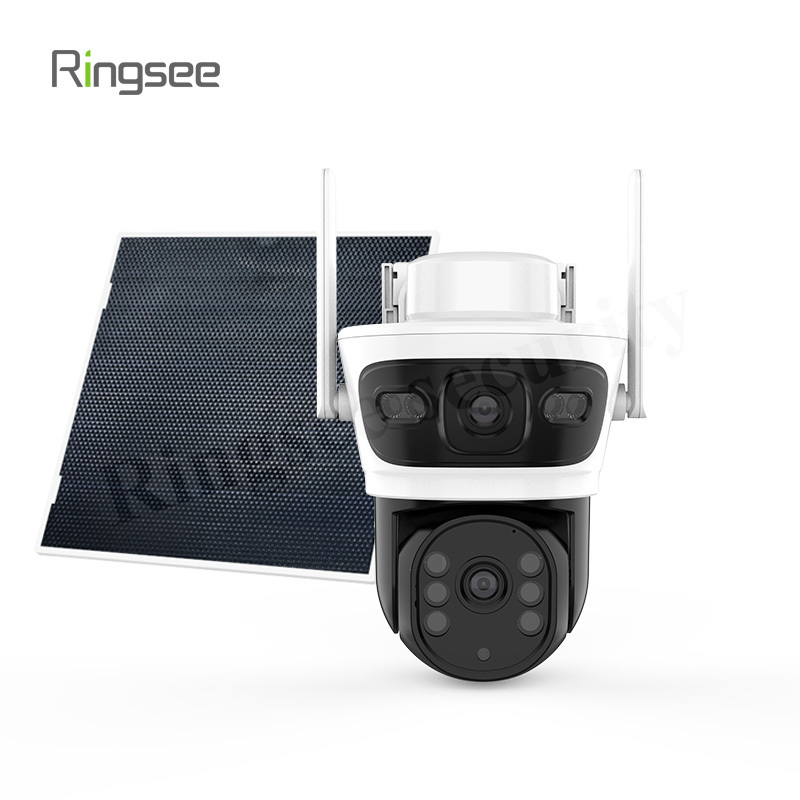
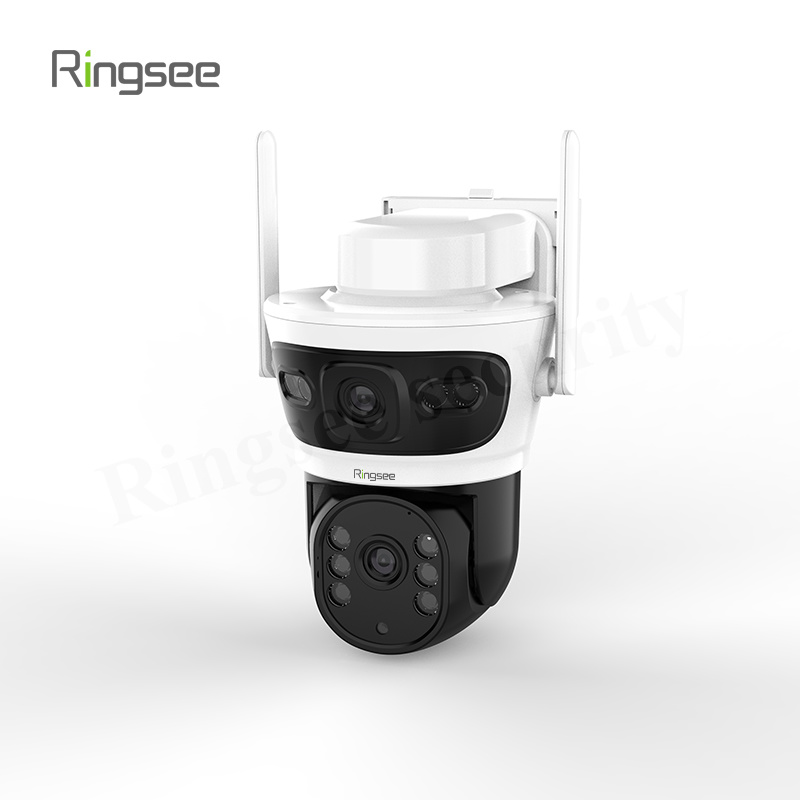
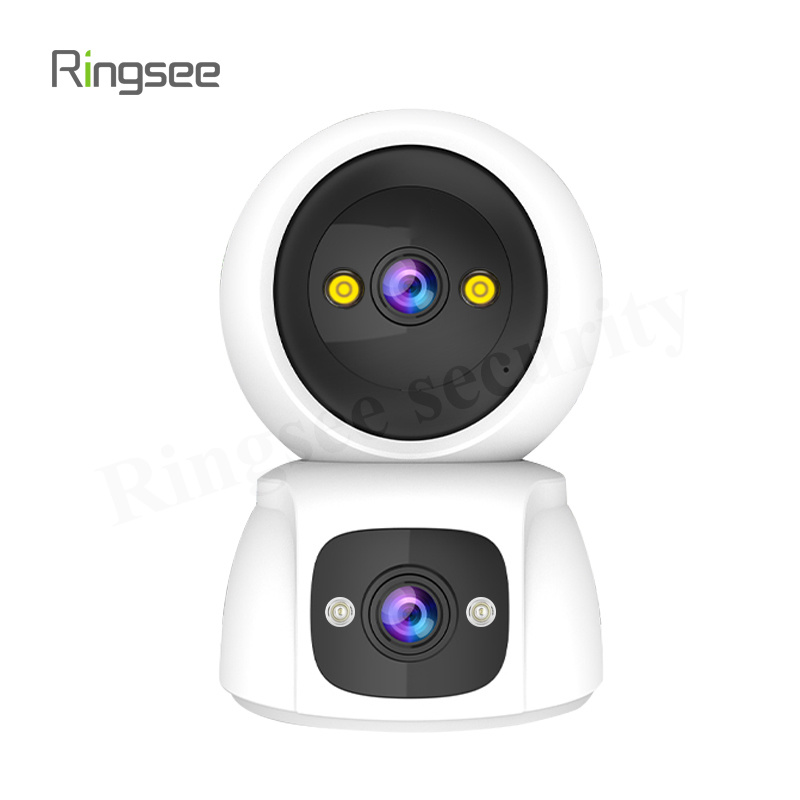
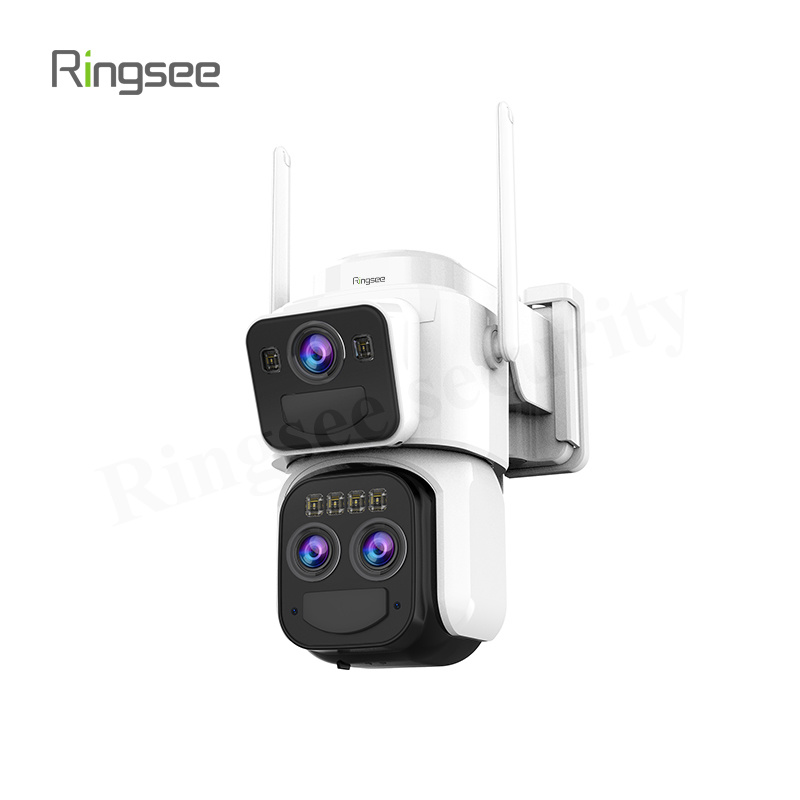
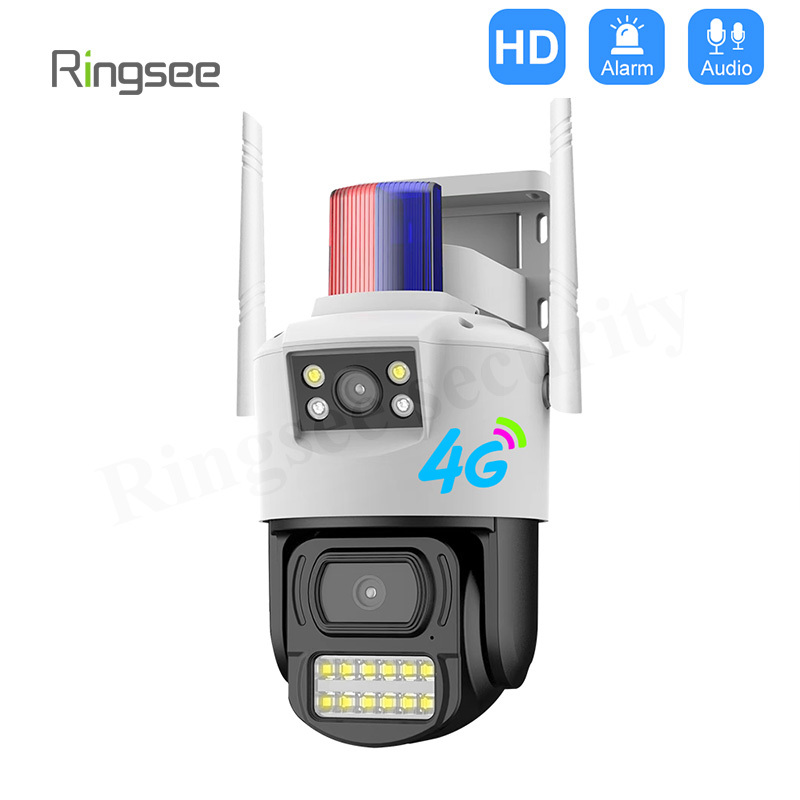
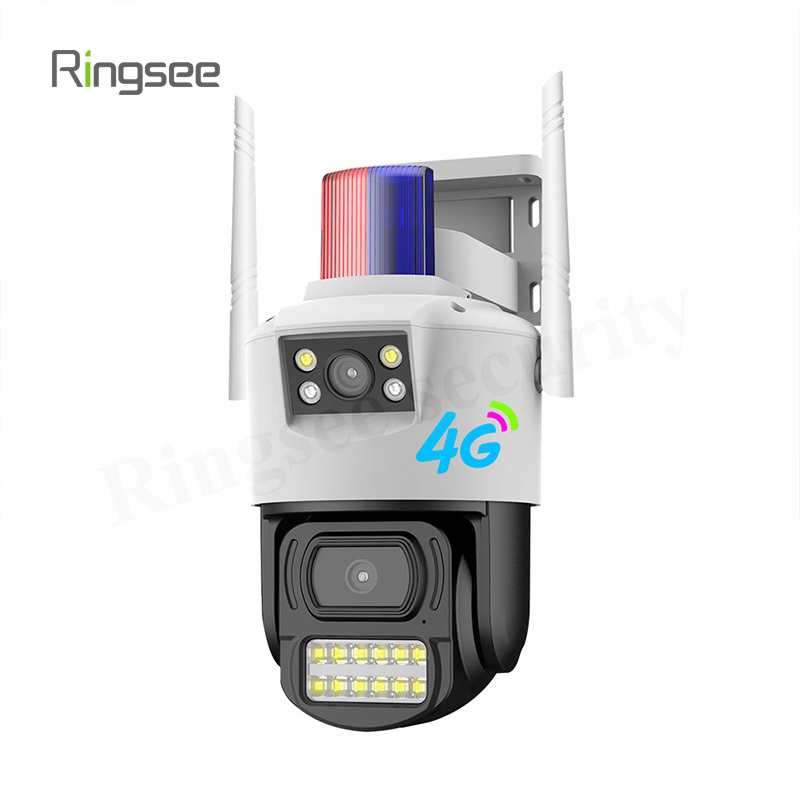
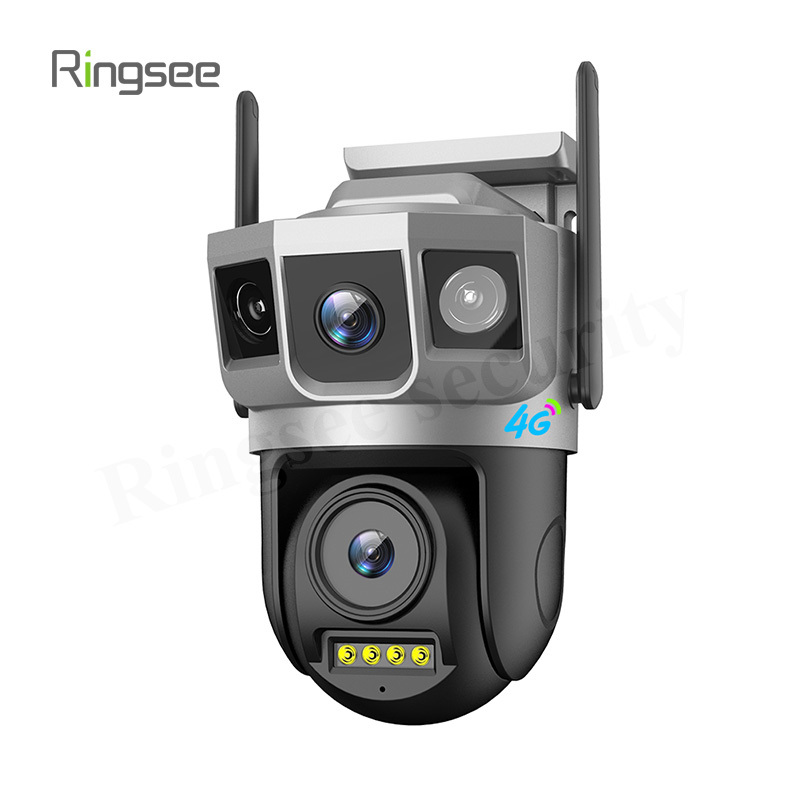
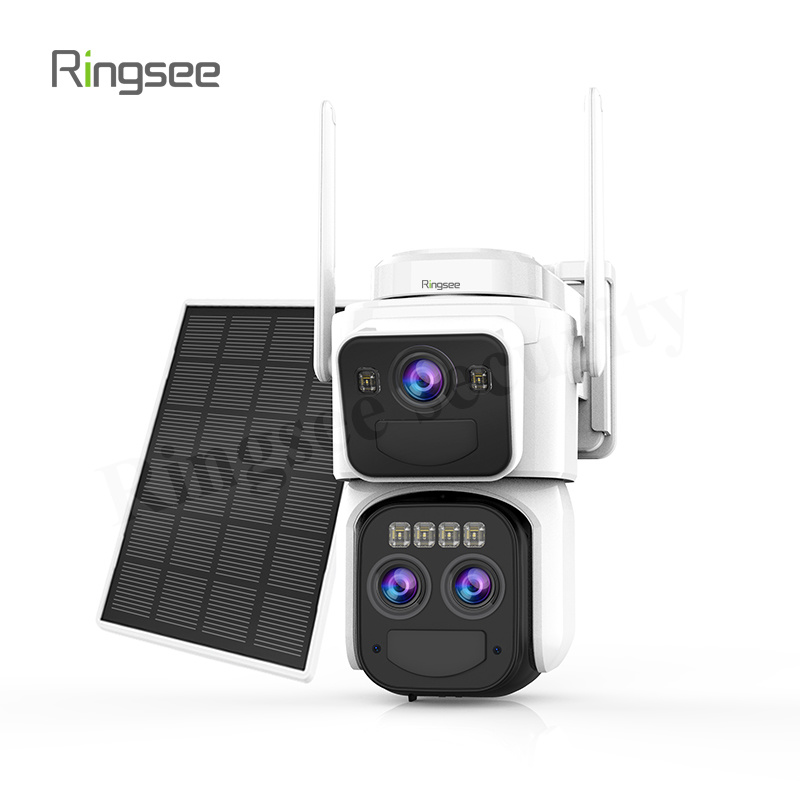
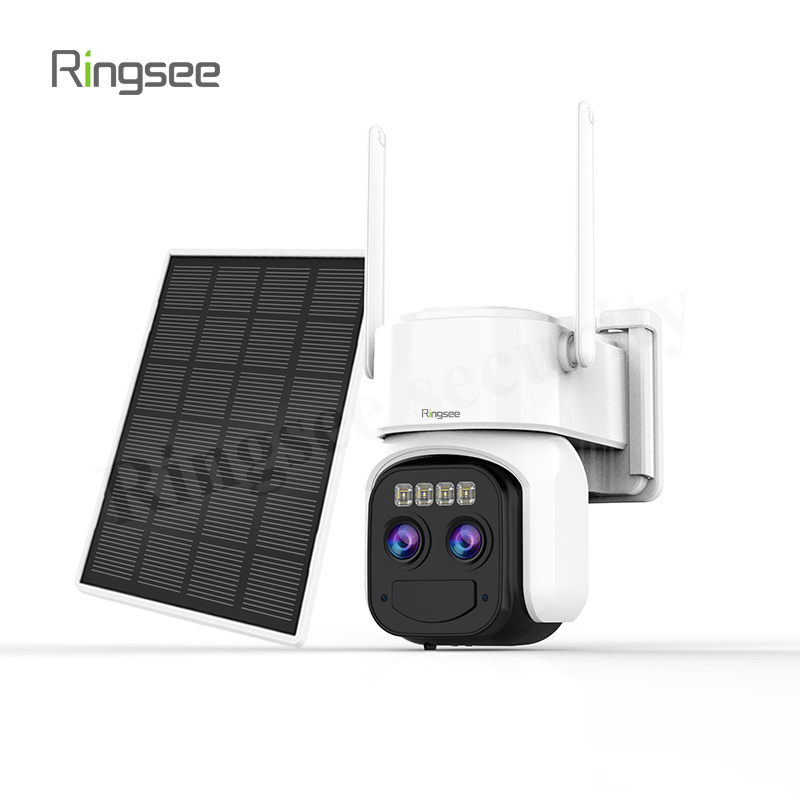
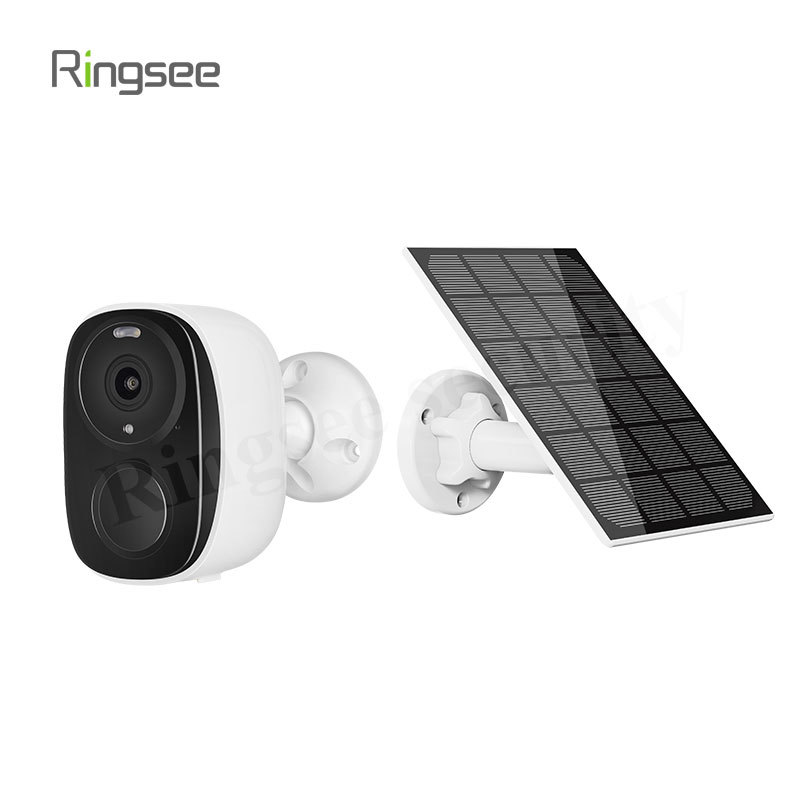
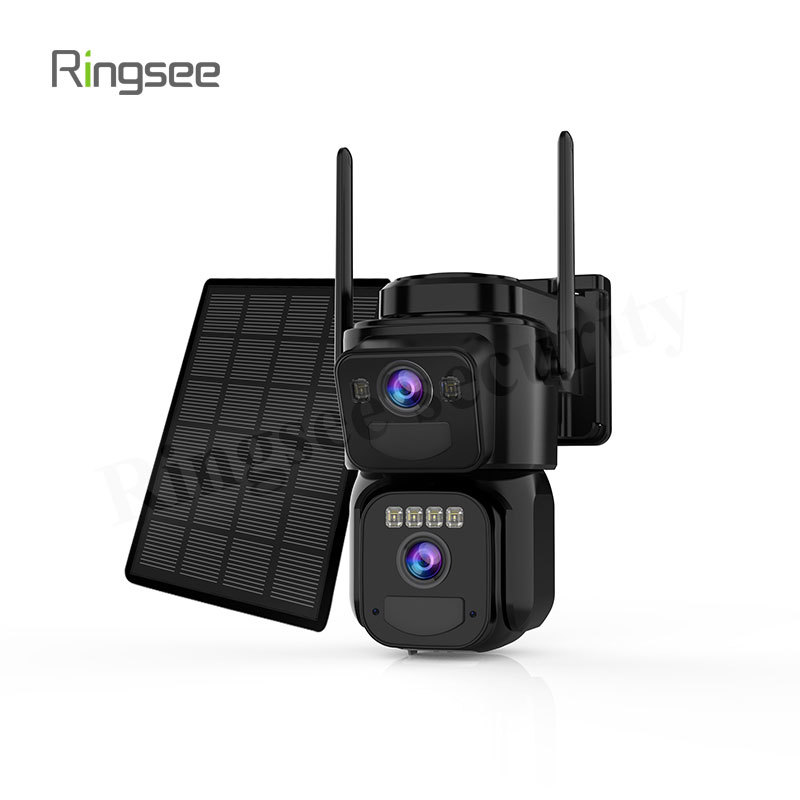
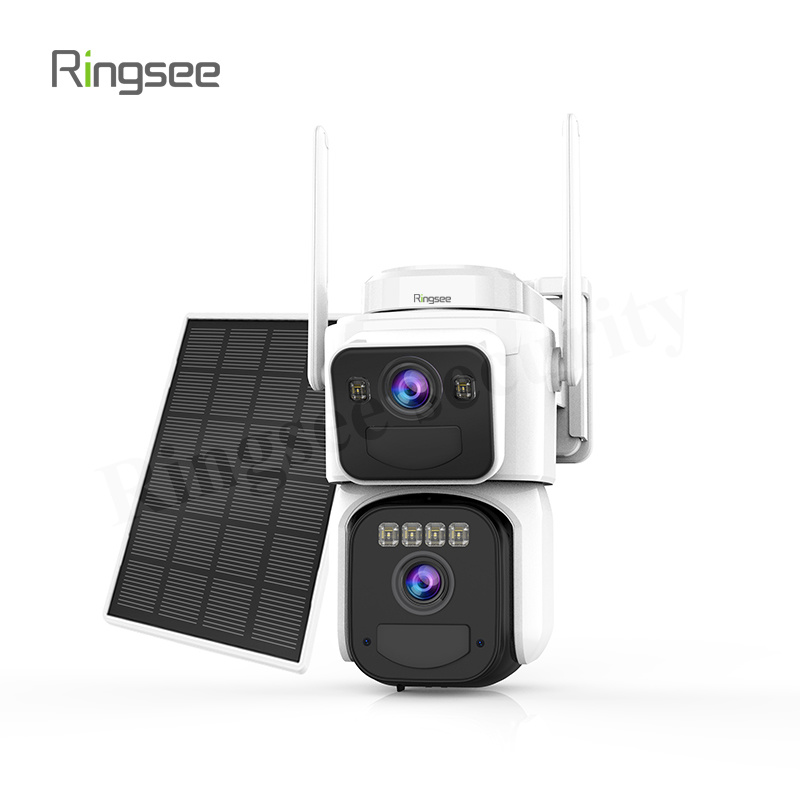
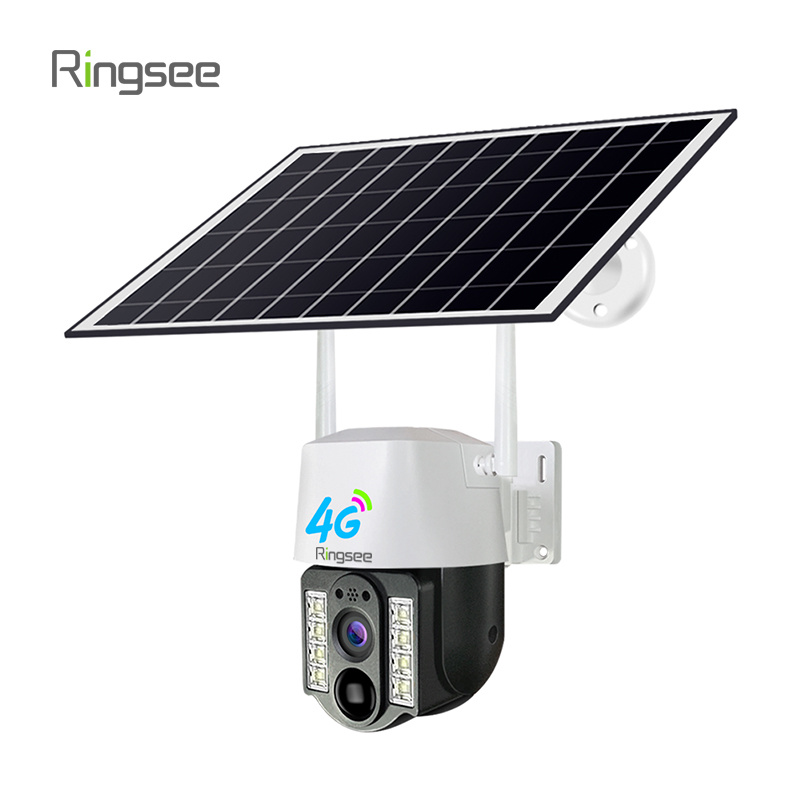
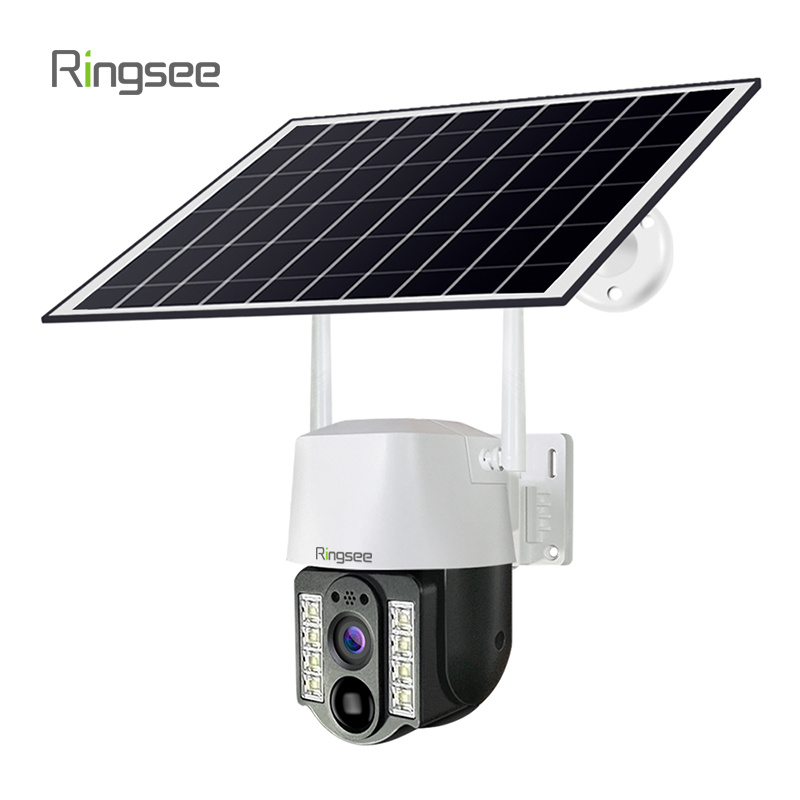
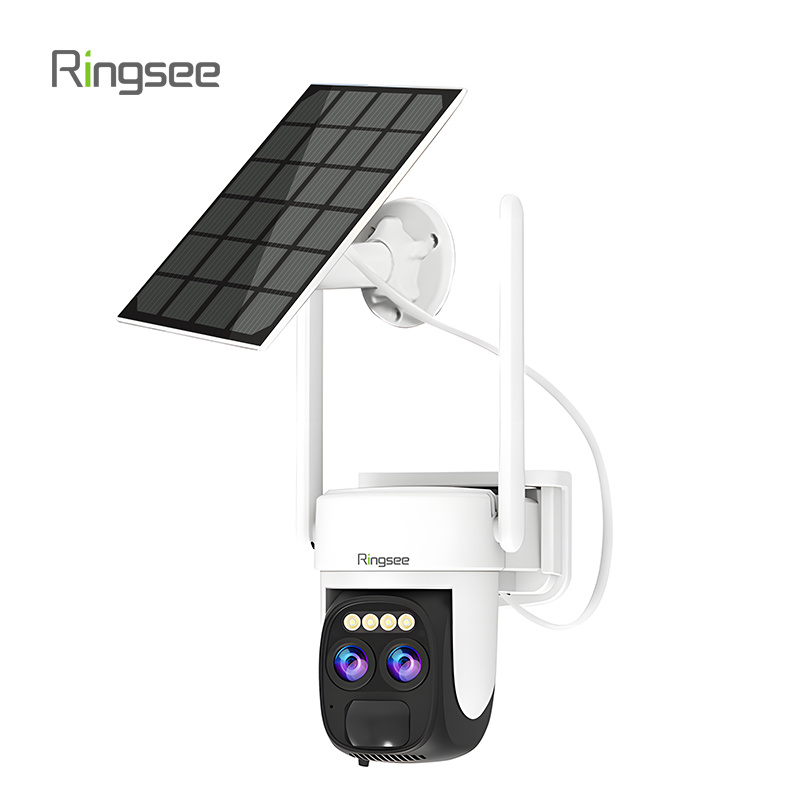
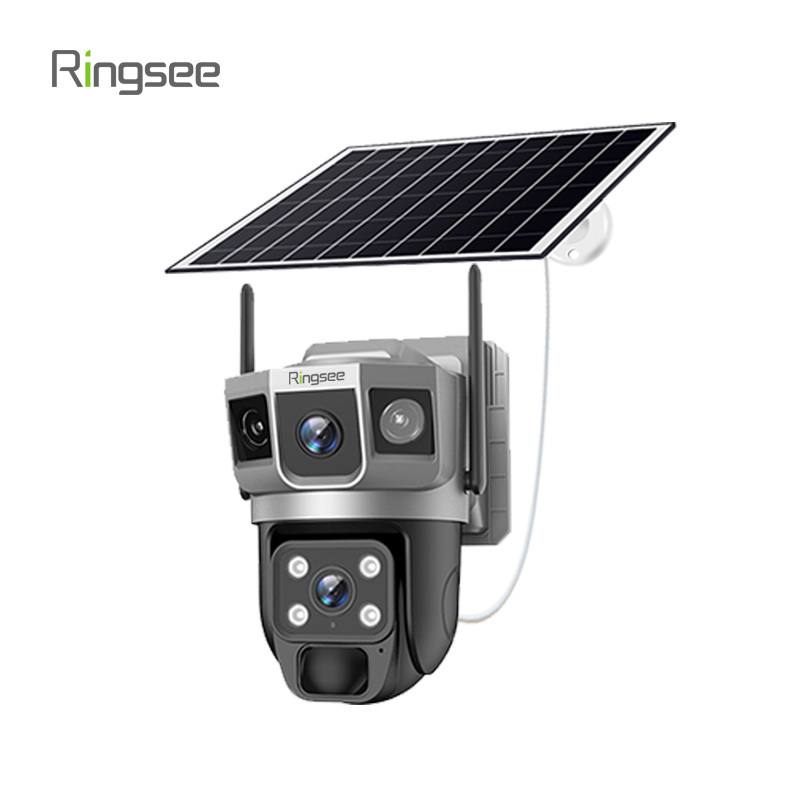
Modern security demands more than just a traditional CCTV system. People want reliable, flexible, and eco-friendly solutions that can protect their homes, businesses, and remote properties at all times. This is where the 4G solar camera with black light technology stands out. By combining solar power, 4G network coverage, and advanced full-color night vision, it delivers round-the-clock protection with no blind spots.
In this guide, we’ll explore why this type of camera is becoming the ultimate choice for property owners and how it offers better performance than standard surveillance systems.

Solar Power Means True Energy Independence
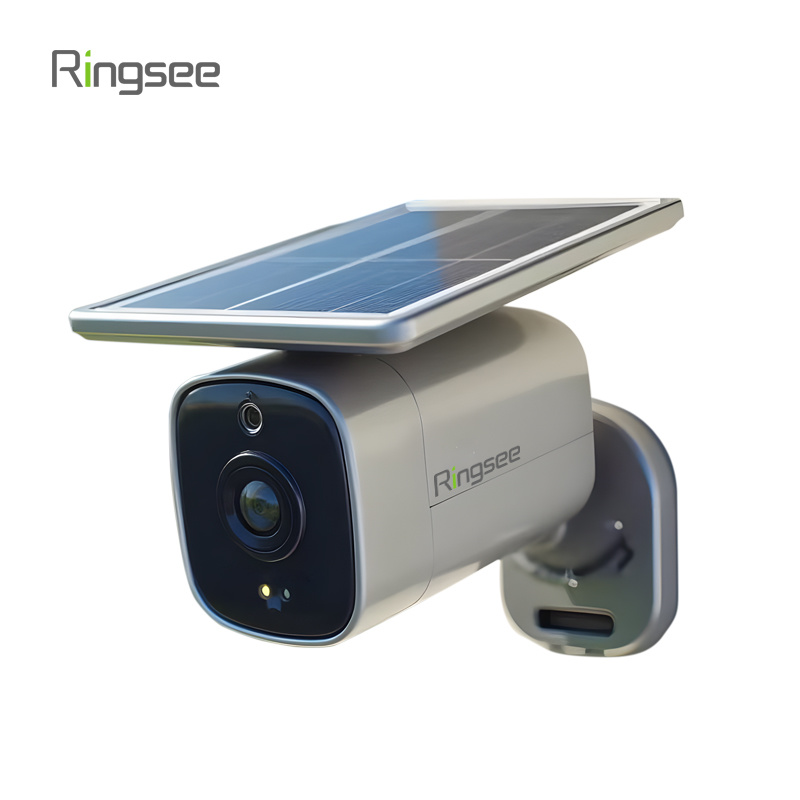
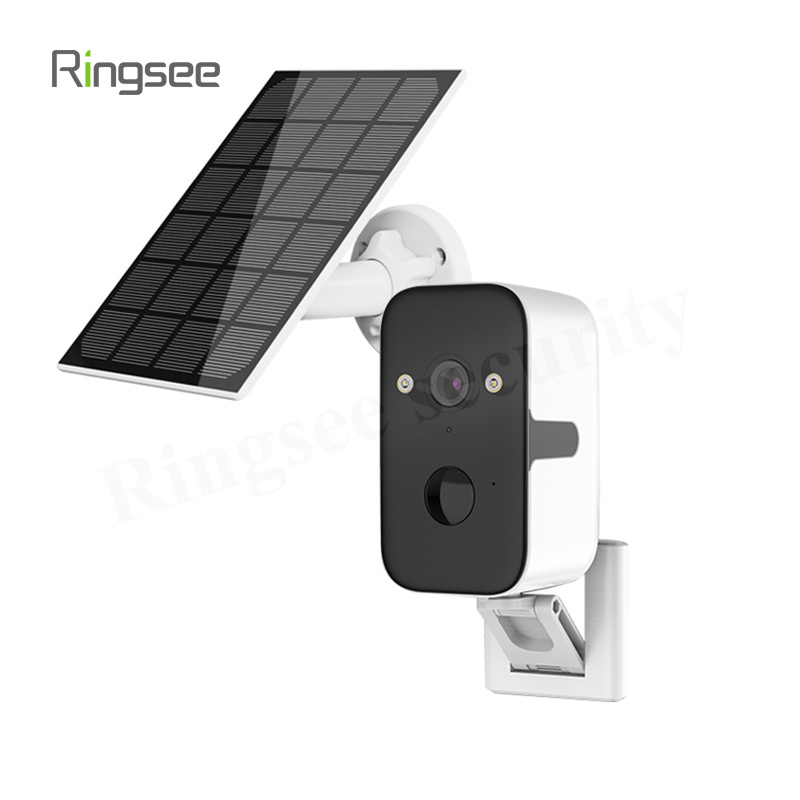
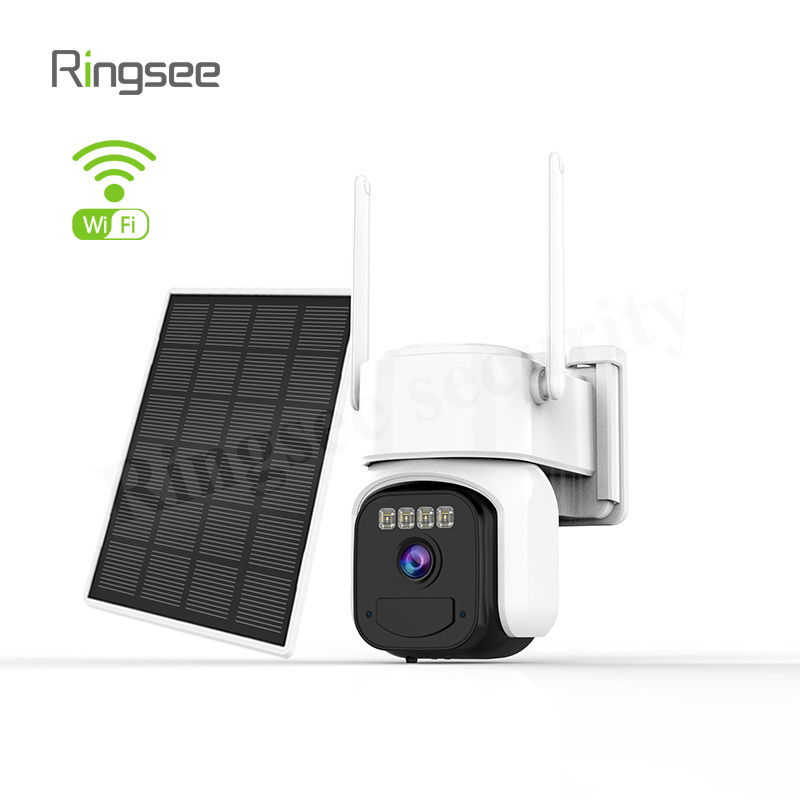
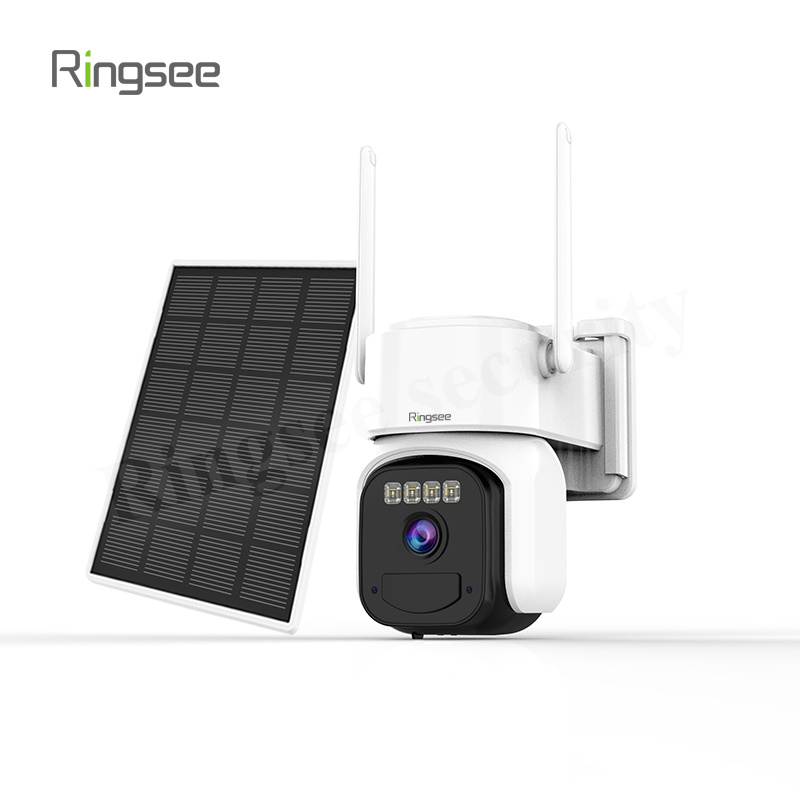
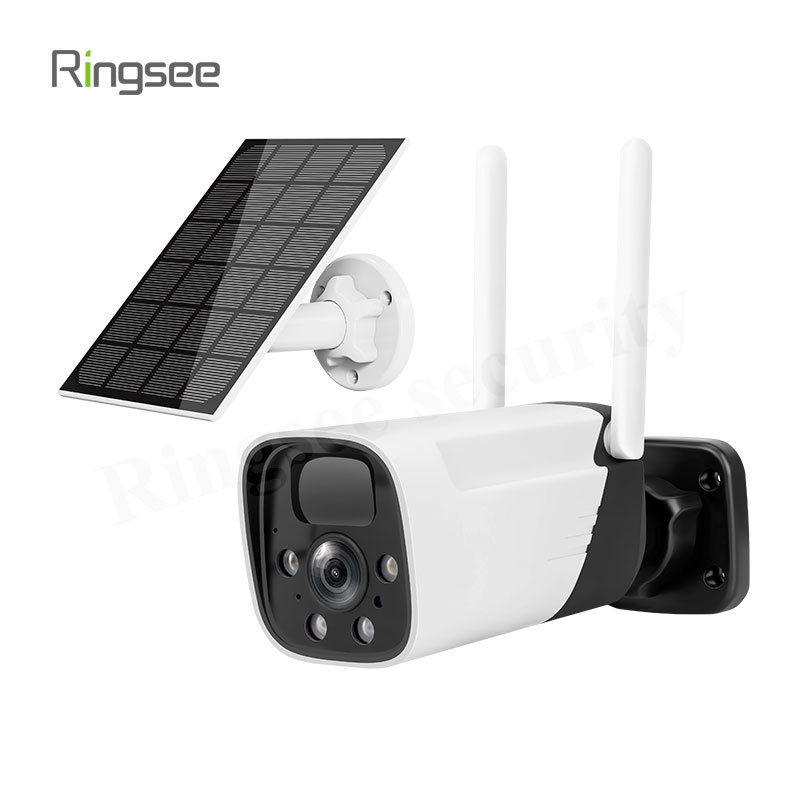
One of the biggest advantages of a solar-powered 4G security camera is that it doesn’t rely on the electrical grid. A built-in solar panel continuously charges the battery, ensuring the camera keeps running during power outages, bad weather, or in remote areas without electricity.
This independence makes it perfect for:
- Farms and agricultural sites
- Construction zones
- Cabins and vacation homes
- Parking lots and outdoor warehouses
By removing the need for complex wiring, you save on installation costs while gaining flexibility in where you can place the camera.
4G Network for Always-On Connectivity
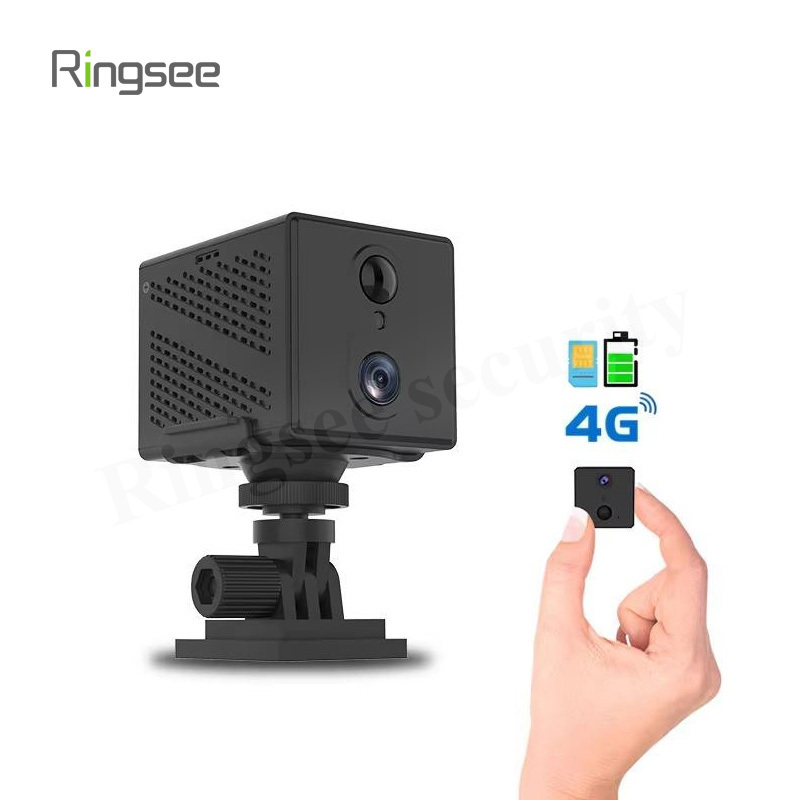
Unlike WiFi cameras that depend on a stable internet connection, a 4G solar camera connects directly to your local mobile network. Simply insert a SIM card, and you’ll have real-time access to live video streams from anywhere in the world through your smartphone.
Benefits of 4G connectivity include:
- Remote access from any location
- Real-time alerts when motion is detected
- Reliable coverage in off-grid areas
- Easy setup without network configuration
For businesses managing multiple sites or homeowners who travel often, this level of access provides peace of mind.
Black Light Technology for Clear Night Vision
Nighttime surveillance is often the weak spot of traditional cameras. Standard infrared (IR) cameras show grainy black-and-white footage, which makes it hard to recognize faces or license plates.
A 4G solar camera with black light night vision solves this problem. It provides full-color video, even in near-total darkness, so you can capture more details and get evidence-quality footage.
This makes it especially effective for:
- Monitoring driveways and entrances
- Recording outdoor events after sunset
- Identifying intruders clearly at night
24/7 Protection Without Compromise
When solar power, 4G connectivity, and black light technology come together, the result is a surveillance system that never sleeps. Whether it’s day or night, rain or shine, the camera continues to record, detect motion, and send alerts.
For property owners, this means uninterrupted 24/7 protection—something traditional wired cameras cannot always guarantee.
Eco-Friendly and Cost-Effective Security
Using renewable energy makes a solar-powered 4G camera both environmentally friendly and cost-efficient. You won’t need to worry about electricity bills, trenching wires, or paying for professional installation.
Over time, the savings from reduced maintenance and installation make this a budget-friendly solution that still offers advanced features.
Flexible and Scalable Installation
Another big advantage is flexibility. Since there’s no wiring, you can place the camera anywhere—on a pole, fence, wall, or even in temporary locations.
As your security needs grow, you can easily add more cameras to create a scalable outdoor security system without major costs.
Frequently Asked Questions About 4G Solar Cameras with Black Light Technology
1. What is a 4G solar camera?
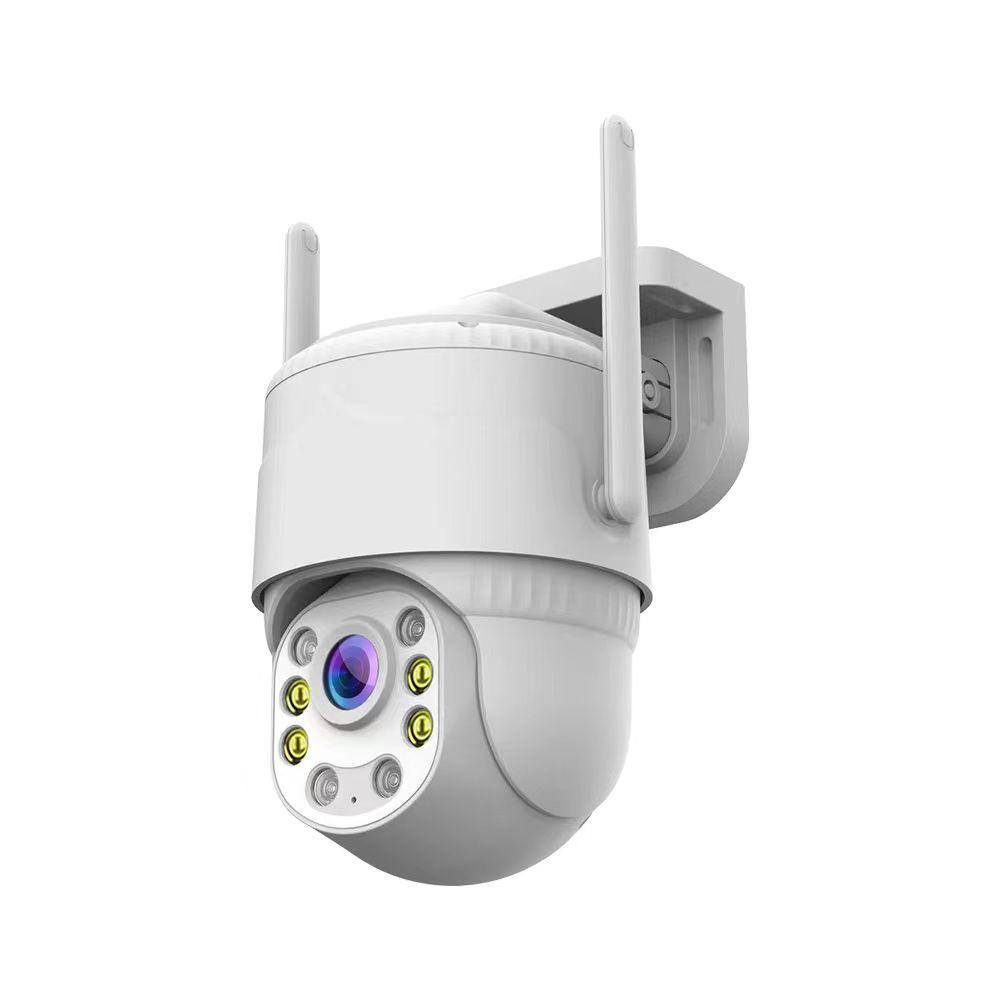
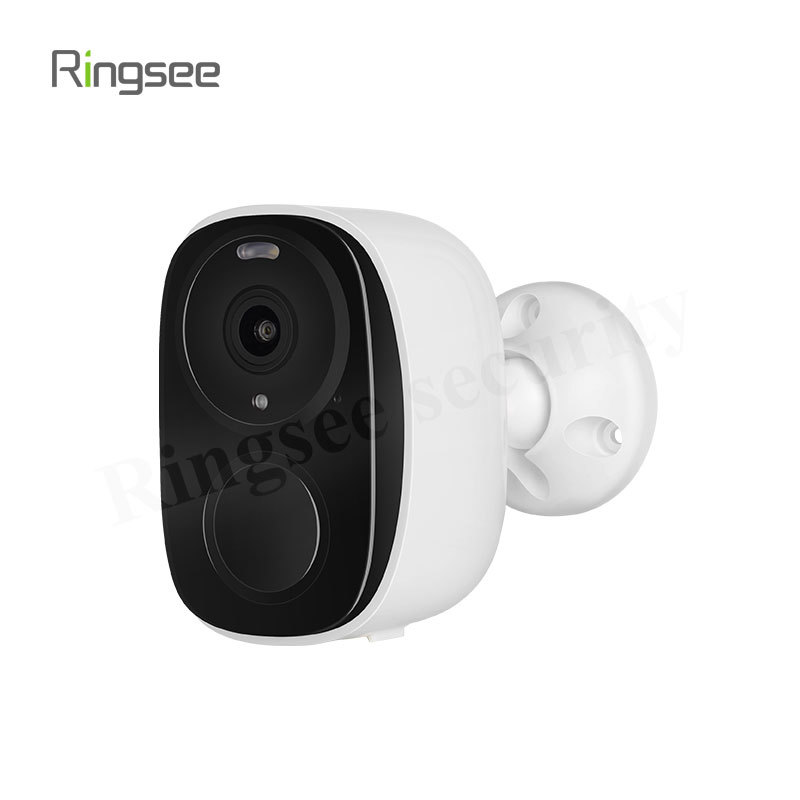
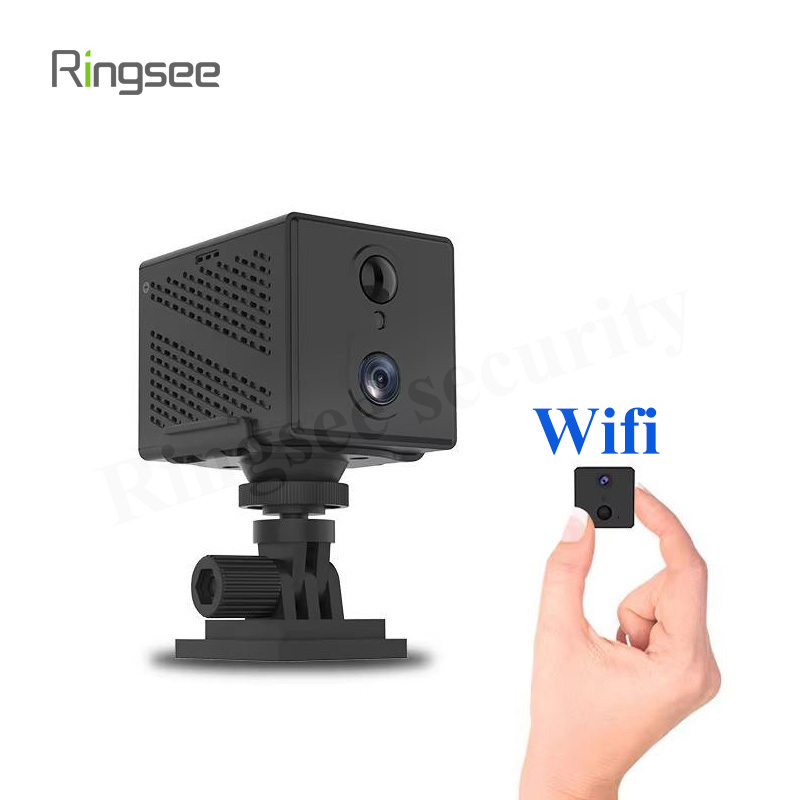
A 4G solar camera is a wireless surveillance device powered by solar energy and connected via the 4G mobile network. Unlike WiFi cameras, it doesn’t need a fixed internet connection or electrical wiring, making it ideal for remote or off-grid areas.
2. How does black light technology improve night vision?
Traditional infrared cameras only show black-and-white images at night. Black light technology enhances visibility by capturing full-color video in low-light or near-dark conditions, allowing you to identify people, vehicles, and details more clearly.
3. Can a 4G solar camera work without WiFi?
Yes. A 4G solar camera doesn’t require WiFi because it uses a SIM card to connect to mobile networks. This makes it perfect for locations where WiFi is unstable or unavailable, such as farms, construction sites, and vacation cabins.
4. How long does the battery last on a solar-powered 4G camera?
Battery life depends on sunlight exposure, camera usage, and motion detection settings. Most modern solar-powered 4G cameras come with high-capacity rechargeable batteries that can last several days without direct sunlight.
5. Is a 4G solar camera eco-friendly?
Absolutely. By relying on renewable solar energy, these cameras reduce electricity consumption and lower carbon emissions. They are a sustainable choice for eco-conscious homeowners and businesses.
6. Where can I use a 4G solar security camera?
These cameras are highly versatile. Common applications include:
Residential homes
Farms and ranches
Construction sites
Parking lots and warehouses
Remote cabins and vacation homes
7. Do I need professional installation?
No. Most solar-powered 4G cameras are designed for DIY installation. You can mount them on a wall, pole, or fence in minutes, making them simple and cost-effective to set up.
8. What are the main benefits of a 4G solar camera with black light technology?
The key benefits include:
- 24/7 protection with solar energy and rechargeable batteries
- Remote monitoring through the 4G network
- Clear, full-color video at night with black light technology
- Easy, wire-free installation
- Eco-friendly and cost-effective operation
Conclusion: A Smarter Way to Secure Your Property
The 4G solar camera with black light technology represents the next generation of surveillance. It’s energy-independent, easy to install, and powerful enough to deliver crystal-clear footage day and night.
Related News
Target readers: security owners, system integrators, and EHS engineers for petrochemical, oil and gas, pharmaceutical, powder processing, and coal mining sites where explosive gas or combustible dust exists. Core takeaway: a normal camera is itself an ignition source in flammable environments. You must use explosion proof cameras certified to ATEX, IECEx, or China Ex, selected by hazard zone, installed with proper grounding, and documented for compliance. This guide gives a reusable selection, install, and acceptance workflow.
Nov 08,2026
4G 5G Cellular Surveillance Camera Guide: Remote Video without Broadband
Target readers: security owners and integrators for farms, orchards, fisheries, construction, oil and mining sites, vehicle fleets, and remote African villages where broadband is scarce. Core takeaway: when there is no fiber, no broadband, and frequent power loss, a SIM card cellular camera is the easiest and most scalable remote video option. This guide gives a reusable architecture covering power, data, backhaul, AI, and compliant deployment.
Nov 08,2026
Analog CCTV Upgrade Guide: Coax HD Reuse vs Full IP Rebuild, Cost and Timeline Compared
Factory, campus and retail chains running analog surveillance for five or six years face the same wall: blurry images, unretrievable footage, and no path to AI analytics on legacy hardware. This guide breaks down pre-upgrade system inventory, compares the coax-HD reuse route against a full IP rebuild, gives bandwidth and storage recalculation formulas, and lays out a zoned, non-disruptive cutover plan with a selection checklist.
Oct 31,2026
CCTV Maintenance Outsourcing: SLA Tiers, Market Rates, KPI and Contract Playbook
Conclusion first: the real cost of a surveillance system is in its operation. Three years of maintenance typically equals 30% to 50% of the build cost, yet most buyers spend the budget at install and leave operation to whoever happens to notice. Lock the maintenance boundary while signing the build contract. This guide breaks down the in-house versus outsourced decision model, a three-tier SLA (P1 / P2 / P3), per-point market rates and how to read a quote, the two KPIs that decide payment (camera online rate and footage integrity), the five clauses every contract must hold, the 90-day handover that most often loses control, plus a selection checklist and acceptance tests.
Oct 25,2026
Links:One Belt Power Technology
Add: 14th Floor, Baoshan Building, Longhua District, Shenzhen China.
Privacy Policy | SEO | CitySite | Support: 300.cn Dongguan